Civil War
Show Paging
ALVORD, BENJAMIN (1813-84) Union Brigadier General; Graduate of the U.S. Military Academy at West Point – 1833; Veteran of the Mexican & Second Seminole Wars
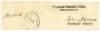
Signature, “Benj[amin] Alvord,” a frank on a 1 ½” x 5 ¾” portion of an imprinted “Paymaster General’s Office” envelope; marked “Personal” by Alvord, with a Washington, D.C. postmark at mid left.
Lightly and evenly toned, with minor staining.
 ANDREW, JOHN ALBION (1818-67) Civil War Governor of Massachusetts – 1861-66
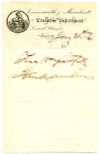
As Civil-War Governor of Massachusetts
Signature & Sentiment, also dated by Andrew, on imprinted 5” x 8” official stationery.
“Jan[uar]y 30th 1861. Yours respectfully, John A. Andrew.”
Excellent, with light, even toning and two horizontal folds.
ANDREW, JOHN ALBION (1818-67) Governor of Massachusetts – 1861-66, instrumental in enlisting some of the first units of Colored Troops for the Union, including the 54th Massachusetts Infantry
-100.png)
-100.png)
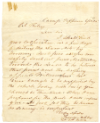
Civil War-Date Autograph Letter Signed – seeking a pass “to reclaim the remains of a dead Soldier.”
Autograph Letter Signed, on beautifully imprinted 6” x 7 ½” official stationery as Massachusetts governor. During the second year of war, Andrew seeks the assistance of Franklin E. Howe, an officer in the 36th Massachusetts Volunteer Infantry, in procuring a pass for a colleague in the regiment, to reclaim the remains of an unnamed dead soldier. Modern records indicate that Howe died of disease on May 5, 1864 in Westminster, Massachusetts.
“Boston, April 29, 1862, L[ieutenan]t Col[onel] Howe. My d[ea]r Col[onel], If you can help Mr. A.S. Tuttle to get a passage to Roanoke Island to reclaim the remains of a dead Soldier you will confer a favor. I am unaware about the regulations nom a sick passenger to N[orth] C[arolina] not in military service. Your serv[ant], John A. Andrew.”
Accompanied by the imprinted transmittal envelope, addressed to Howe. The letter is excellent overall, with light, even toning and two horizontal folds; the transmittal envelope bears heavier staining, with irregular tearing at the edges from opening.
ASHBY, TURNER (1828-62) Confederate Brigadier General; Killed-in-Action near Harrisonburg, Virginia – June 6, 1862
Civil War-Date Autograph Letter Signed
Early in the American Civil War, Ashby’s 7th Virginia Cavalry functioned primarily on scout and outpost duty along the Potomac. In the spring of 1862, Colonel Ashby served with distinction in the Shenandoah Valley campaign as head of Stonewall Jackson’s cavalry. Only two weeks after his promotion to brigadier general, Ashby was killed-in-action.
Autograph Letter Signed, 5 ¾” x 7”, an important, confidential early-war strategic communication, directing the destruction of a dam on the Potomac, between Martinsburg, Virginia and Williamsport, Maryland.
“Camp Jefferson, Sept[ember] 24, [18]61. Col[onel] Riley. Dear Sir, I shall need your cooperation in a few days to destroy the Dam No. 4 – by throwing such force as you can safely send out from Martinsburg towards the Dam to be between that point and the crossing opposite Williamsport, but near enough to be supported by the whole body with me if you should be threatened. When I am prepared for the work I will inform you – Do not let this be known as secrecy is important. Respectfully, Turner Ashby, L[ieutenan]t Col[onel] Com[mandin]g.”
Extremely rare, as no other such examples have been offered for sale in the recent past.
Lightly and evenly toned, with a few stains, and there are inconsequential pinholes and minor breaks at the intersections of several folds.
AUGUR, CHRISTOPHER COLUMBUS (1821-98) Union Major General; Veteran of the Mexican War
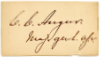
Signed Card, 1 ½” x 3”, “C.C. Augur, Maj[or] Gen[era]l U[nited] S[tates] V[olunteers].”
Evenly toned, with minor chipping at the lower edge.
AYRES, ROMEYN BECK (1825-88) Union Brigadier General; Veteran of the Mexican War
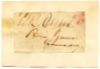
Signature, with rank in another hand, possibly war-date, “R.B. Ayres, Brig[adier] General Commanding,” on a 1 ½” x 2 ½” portion of a larger document; affixed to larger backing.
Moderate staining throughout, with a vertical crease at left center.
BAKER, EDWARD DICKINSON (1811-61) Union Major General; Killed-in-Action at the Battle of Ball’s Bluff - October 21, 1861; Union Colonel – 71st Pennsylvania Infantry
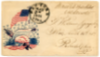
Early War-Date Franked Patriotic Envelope
Franked Patriotic Envelope 3” x 5 ½”, “Free, E.D. Baker, U.S. Senate,” with a May 27, 1861, New York postmark. Addressed in another hand to “P. Willard George, Esq[uire], No. 257 North 16th St[reet], Philadelphia, P[ennsylvani]a.”
Expected toning, soiling, and wear, with several chips and small tears at the edges.
Veteran of the Mexican War; U.S. Congressman – Illinois – 1845-47 & 1849-51; U.S. Senator – Oregon – 1860-61; Close friend of Abraham Lincoln
BANKS, NATHANIEL PRENTISS (1816-94) Union Major General – Massachusetts; Speaker of the U.S. House of Representatives – 1855-57; Governor of Massachusetts – 1858-61
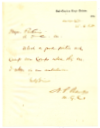
Civil War-Date Autograph Letter Signed
Autograph Letter Signed, 7” x 9”, on “Head-Quarters King’s Division” imprinted stationery, directing the encampment of his corps, shortly after the conclusion of the Shenandoah Valley campaign.
“Warrenton [Virginia], 25 – 6 [June, 1862]. P.M. Major Perkins, A[ide] D[e] C[amp], Etc. Select a good position and camp our Corps where they are. I return in an ambulance. Truly Yours, N.P. Banks, M[ajor] G[eneral] C[ommanding].”
Lightly and evenly toned, with a few light stains; minor bleeding of ink on several letters; two horizontal folds.
BARNEY, ALBERT MILTON (1837-86) Union Brevet Brigadier General; Colonel of the 142nd New York Infantry
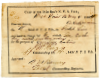
Civil War-Date Document Signed – an imprinted 142nd New York Infantry Pass
Document Signed, 3 ¾” x 5”, West Point, Virginia, May 4, 1864, “A.M. Barney, L[ieutenan]t Col[onel] Commanding Regiment,” a desirable, partly printed pass; dated one day before the fighting began at the Battle of the Wilderness and countersigned by 142nd New York Lieutenant Joseph Hastings Hays, who was wounded at Drewry’s Bluff, Virginia the following month.
Lightly toned, with the expected folds; general wear and staining throughout.
BATE, WILLIAM BRIMAGE (1826-1905) Confederate Major General; Colonel of the 2nd Tennessee Infantry; Veteran of the Mexican War; Governor of Tennessee – 1883-87; U.S. Senator – Tennessee – 1887-1905

Signed Card, 2 ¼” x 4”, as Tennessee Governor, “Executive Office, Nashville, Tenn[essee], Wm. B. Bate.”
Excellent.
BATE, WILLIAM BRIMAGE (1826-1905) Confederate Major General; Colonel of the 2nd Tennessee Infantry; Veteran of the Mexican War; Governor of Tennessee – 1883-87; U.S. Senator – Tennessee – 1887-1905
Signature, probably war date, with the rank Bates held from enlistment until October 3, 1862, “Wm. B. Bate, Col[onel] 2nd Tenn[essee] Inf[antry],” on a 1 ¼” x 3 ½” slip of paper.
Lightly and evenly toned, with old mounting remnants on the reverse.
BEATTY, JOHN (1828-1914) Union Brigadier General; Colonel of the 3rd Ohio Infantry; U.S. Representative – Ohio – 1868-73
Signed Card, 1 ¾” x 3 ¾”, bevel-edged, “John Beatty.”
Excellent.
BEAUREGARD, PIERRE GUSTAVE TOUTANT (1818-93) Confederate General; Commanded the Confederates who began the American Civil War with an artillery assault on Fort Sumter, South Carolina; Veteran of the Mexican War
Signed Card, 2 ½” x 3 ½”, “G.T. Beauregard, 1891.”
Exceptional.
BLAIR, FRANCIS PRESTON, JR. (1821-75) Union Major General; U.S. Congressman – Missouri – 1857-62; U.S. Senator – Missouri – 1871-73; Democratic Candidate for Vice President - 1868
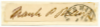
Franking Signature, “Frank P. Blair, Jr.” on a ½” x 3 ¾” portion of an envelope, a Washington, D.C. postmark intersecting the signature. Affixed to slightly larger backing, with minor glue staining at the edges.
BLAIR, FRANCIS PRESTON, JR. (1821-75) Union Major General; U.S. Senator – Missouri – 1871-73; U.S. Representative – Missouri – 1857-64; Democratic Candidate for U.S. Vice President on the Horatio Seymour Ticket - 1868

Civil War-Date Autograph Letter Signed
Autograph Letter Signed, 8” x 10”, as U.S. Representative from Missouri, detailing the specifics of a land purchase.
“Wash[ington]
Mrs. Carroll,
D[ea]r Madam,
Mr. Bonifant sold me a small portion of the land he bought of you to straighten the line as he desired at $100 per acre before I consented to buy the part I bought. I do not know how much but Mrs. [?] does – these few acres being paid for by Bonifant at $100 per acre come to me at that price from him as by agreement, but is to be included in your deed to me. The three hundred dollars withheld, is to cover the difference in price between the few acres bought of Bonifant & the main body I bought of you. The $300 will cover that am[oun]t as well as the Supposed deficit in am[oun]t of land surveyed & off[ered] to me.
Y[ours] ob[edientl]y,
F.P. Blair
19 February [18]64].
Lightly and evenly toned, with a few minor stains, the expected folds, and a small area of paper loss in the upper left corner.
BLANDING, JAMES DOUGLAS (1821-1906) Confederate Colonel – 9th South Carolina Infantry; Veteran of the Mexican War; Mayor of Sumter, South Carolina
-100.png)
-100.png)
Civil War-Date Signed Envelope
Signed Envelope, 3” x 5 ¼”, “J.D. Blanding, Col[onel] 9th Reg[imen]t S[outh] C[arolina] V[olunteers],” also addressed by Blanding, to “Wm. F.B. Haynesworth, Esq[ui]r[e]…Sumter, South Carolina.” An indistinct postmark, undoubtedly Tudor Hall, Virginia, and Due “10” markings at upper right; with vertical pencil notations, in an unknown hand, “from Col[onel] 9th Rec[eive]d Oct[ober] 29, 1861” along the left edge.
Somewhat lacking in contrast, with moderate toning throughout and the expected wear, soiling, and edge chips.
BROWN, EGBERT BENSON (1816-1902) Union Brigadier General; Early-war Lieutenant Colonel of the 7th Missouri Infantry; Saw Civil War action in Missouri, the Indian Territory, and the Trans-Mississippi; Elected Mayor of Toledo, Ohio - 1849
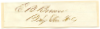
Signature & Rank, probably war date, “E.B. Brown, Brig[adier] Gen[eral] Vol[unteer]s,” on a 1” x 3 ¾” slip of lined paper; affixed to slightly larger backing.
Lightly and evenly toned.
BROWN, JOHN, JR. (1821-95) Eldest child of noted Abolitionist John Brown; Civil War Union Captain – 7th Kansas Infantry, Jennison’s Jayhawkers
-100.png)
-100.png)
Civil War-Date Autograph Letter Signed - from Leavenworth, Kansas
Autograph Letter Signed, 5 ¼” x 8 ¼”. From Leavenworth, Kansas, the vicinity of his father’s actions at the Pottawatomie Massacre and the Battles of Osawatomie and Black Jack in 1856 “Bleeding Kansas,” Brown conveys details of his return home to his wife in Ohio. Accompanied by the transmittal envelope, imprinted “R. Stevenson, Photographic ARTIST, 40 Delaware Street, Leavenworth, Kansas”; addressed by Brown, to “Mrs. Wealthy C. Brown, Jefferson, Ashtabula Co[unty], Ohio, Box 125,” with a three-cent U.S. postage stamp and a June 6, 1862, Leavenworth City, Kansas Territory postmark at the upper right corner.
“Leavenworth City Kansas, Thursday, June 5 1862.
My Loved Wife,
I have this moment got yours of the 28th. All in a hurry this morning as a Boat for St. Louis has just come and is off in a few minutes.
It will take me about five days to Chicago including one Sunday – say two days there then, one perhaps at Cleveland when I will be home as fast as I can. Every thing is waiting and I must say good bye.
Your own, John.”
Lightly and evenly toned, with a few minor stains and smearing of ink to several characters; chipping at the upper right corner and at the edge of the lower of two horizontal folds detracts very little. The envelope has the expected wear at the edge and the right edge has been torn somewhat irregularly in opening.
BROWN, JOSEPH EMERSON (1821-94) Governor of Georgia – 1857-65; U.S. Senator – Georgia – 1880-91
A staunch proponent of states’ rights, Governor Brown clashed repeatedly with Confederate President Jefferson Davis and became a major impediment to the prosecution of the American Civil War.
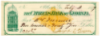
Document Signed, Atlanta, Georgia, February 3, 1879, “Joseph E. Brown,” a partly printed 2 ¾” x 7 ½” check with an imprinted revenue stamp, drawn on The Citizens Bank of Georgia for $220.84.
Excellent. The signature and text are unaffected by a punch cancellation, with no loss of paper, at mid left.
BRUCE, BLANCHE KELSO (1841-98) U.S. Senator – Mississippi – 1875-81; First elected African-American Senator to serve a full term; Register of the U.S. Treasury – 1881-85 & 1897-98
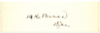
Signature, as U.S. Senator, “B.K. Bruce, Miss[issippi],” on a 1 ½” x 4 ½” portion of an album page.
Excellent.
BUCKNER, SIMON BOLIVAR (1823-1914) Confederate Lieutenant General; Surrendered Fort Donelson, Tennessee to Union General Ulysses S. Grant – February, 1862; Veteran of the Mexican War; Governor of Kentucky – 1887-91
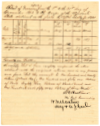
Civil War-Date Document Signed, 7” x 9”, “S.B. Buckner, Maj[or] Gen[era]l Commanding,” a manuscript listing of rations, “Abstract of Provisions issued from the 1st to the 31st day of December 1863 to the troops of the Confederate States stationed in the field by Capt[ain] I. Shelby, Jr…”
Lightly and evenly toned, with two horizontal folds.
BUFORD, JOHN (1826-63) Union Major General – most remembered for heroic action opposing a Confederate division on the first day at the Battle of Gettysburg; Died of exhaustion and typhoid fever later in the year, December 16, 1863
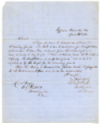
From the military post at Saint Louis, Missouri
Autograph Letter Signed, 8” x 10”. Addressing “Col[onel] S. Cooper, Adj[utan]t Gen[eral] U.S.A., Washington, D.C.”, later the highest-ranking general in the service of the Confederacy, Buford conveys details relating to the disposition of funds in the recruiting department. Mentioned by Buford in the handling of the funds is future Union Brevet Brigadier General William Warren Lowe, further brevetted for gallantry at Chickamauga, Georgia and Huntsville, Alabama during the Civil War.
Jefferson Barracks, M[iss]o[uri]
April 30, 1855
Colonel,
I have the honor to transmit an estimate for Recruiting funds. The am[oun]t is due to contractors for transportation of Recruits. I have been relieved from the recruiting service and ordered to my Reg[imen]t. I have received from L[ieutenan]t W.W. Lowe 2nd Cavalry the am[oun]t $341.00 of his Q[uarte]r M[aste]rs funds, which is to be replaced by the draft for the recruiting funds.
When the money is transmitted please make it payable to L[ieutenan]t W.W. Lowe 2nd Cav[alry] and hold me accountable.
I am Col[onel]
Very Respectfully
Your O[bedien]t Ser[van]t
Jno. Buford
L[ieutenan]t Drag[oon]s
Overall condition is very good, with two horizontal folds and minor paper loss at the upper left corner.
BURNHAM, HIRAM (1811-72) Union Brigadier General; Colonel of the 6th Maine Volunteer Infantry; Killed-in-Action at the Battle of Chaffin’s Farm – September 29, 1864
-100.png)
-100.png)
Civil War-Date Document Signed by a Killed-in-Action Union General
Document Signed, 7 ¾” x 12”, “Approved, Hiram Burnham, Col[onel] 6th Maine Vol[unteer]s,” a manuscript “Abstract of articles expended in the public service at Camp near Bell[e] Plains, V[irgini]a…in the month ending on the 31st December 1862.” Countersigned three times, front and reverse, by Lieutenant Addison P. Buck.
Lightly and evenly toned, with a few superficial stains and three horizontal folds.
BURNHAM, HIRAM (1811-72) Union Brigadier General; Colonel of the 6th Maine Volunteer Infantry; Killed-in-Action at the Battle of Chaffin’s Farm – September 29, 1864
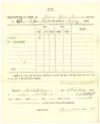
Civil War-Date Document Signed Twice by a Killed-in-Action Colonel, later promoted to the rank of Brigadier General
Document Signed, 8” x 10”, Camp Griffin, Virginia, February 28, 1862, “Hiram Burnham, Col[onel],” a partly printed requisition for personal wood fuel the month. Signed twice, at the mid and lower right.
Lightly and evenly toned, with a few superficial stains and two horizontal folds.
BURNSIDE, AMBROSE EVERETT (1824-81) Union Major General; Commanded the Union Army of the Potomac at the Battle of Fredericksburg; Governor of Rhode Island – 1866-69; U.S. Senator – Rhode Island – 1875-81
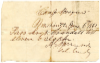
Early Civil War-Date Pass
Autograph Document Signed, 3” x 5”, a rare handwritten pass from Burnside’s early-war encampment near Washington, D.C., named for Rhode Island Governor William Sprague.
“Camp Sprague. Washington, June 6th 1861. Pass Serg[ean]t Crandall till eleven o’clock. A.E. Burnside, Col[onel] Com[man]d[in]g.”
Pencil notations in an unknown hand on the reverse list several identified enlisted men of the 1st Rhode Island Volunteer Infantry. The 1st Rhode Island Infantry under the command of Colonel Burnside was actively engaged at the Battle of First Bull Run, July 21, 1861 and returned to Providence, Rhode Island, where the unit was mustered out on August 2, 1861. Colonel Burnside re-entered Union service soon afterward and was promoted to the rank of brigadier general, effective August 6, 1861.
Lightly toned, with somewhat heavier soiling and wear at vertical and horizontal fold lines; a few small tears and minor chips at the edges.
BURNSIDE, AMBROSE EVERETT (1824-81) Union Major General; Commanded the Union Army of the Potomac at the Battle of Fredericksburg; Governor of Rhode Island – 1866-69; U.S. Senator – Rhode Island – 1875-81
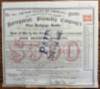
Document Signed, 9 ½” x 11”, Boston, Massachusetts, April 17, 1869, “A.E. Burnside,” as company president, a partly printed $500 “First Mortgage Bonds” certificate for the Narrangansett Steamship Company. Countersigned by four company officials. A five-cent revenue stamp is affixed at upper right, with an embossed seal at lower right.
Lightly toned, with the usual folds; a few tears and cuts at the lower edge; show-through along the lower edge from glue staining on the reverse.
BUTLER, BENJAMIN FRANKLIN (1818-93) Union Major General; U.S. Congressman – Massachusetts – 1867-75 & 1877-79; U.S. Presidential Candidate – Greenback Party - 1884
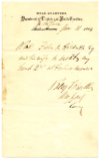
A Handwritten Civil War Pass for Butler’s Brother-in-Law
Civil War-Date Autograph Document Signed, on official 5” x 8” stationery, imprinted “HEAD QUARTERS, Department of Virginia and North Carolina.”
“In the field, June 10, 1864. Pass Fisher A[mes] Hildreth, Esq[uire] and his wife to visit my Head Q[uarte]rs at Fortress Monroe. Benj[amin] F. Butler, Maj[or] Gen[era]l Com[mandin]g.”
Lightly and evenly toned, with minor staining at the left edge and the expected folds.
CALHOUN, JAMES MONTGOMERY (1811-75) Mayor of Atlanta, Georgia – 1862-65; Recipient of the famous “War is Cruelty” letter from Union General William Tecumseh Sherman upon the surrender of the city, September 1864
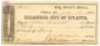
Check signed by the Confederate Mayor of Atlanta, Georgia, just two months before the fall of the city…
Civil War-Date Document Signed, 3 ¼” x 7 ½”, “City Clerk’s Office, Atlanta, Georgia, July 1, 1864…J.M. Calhoun,” a partly printed check drawn on the city account, payable to one “John Haslett” in the amount of thirty dollars, compensation for expenses described only as “Streets”; dated just two months before the city was surrendered to Union General William Tecumseh Sherman on September 2, 1864 and countersigned by another city official.
Lightly and evenly toned, with a few light creases and minor staining, wear, and soiling; text and signatures are unaffected by a two-inch horizontal tear, with no loss of paper, at the mid-right edge.
CAMERON, SIMON (1799-1889) U.S. Secretary of War – 1861-62, during the American Civil War; U.S. Senator – Pennsylvania – 1845-49, 1857-61, and 1867-77
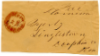
Franking Signature, “Free, S. Cameron,” on a 3 ¼” x 5 ¾” portion of a postal cover; also addressed by Cameron, to “Dr. H. Byerly, Linglestown, Dauphin Co[unty], Penn[sylvania].”
On brown paper, with an obscure early postmark at left; old mounting remnants on the reverse.
CANBY, EDWARD R.S. (1817-73) Union Major General; Veteran of the Mexican & Second Seminole Wars; Killed by Modoc Indians in California - 1873
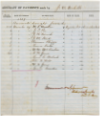
Document Signed, an endorsement on the reverse of an imprinted 9 ¾” x 16 ¼” U.S. Army form, “Examined & approved, Ed. R.S. Canby, M[ajor] G[eneral] Com[mandin]g,” approving expenditures for the month of November 1867.
Illustrated in its folded state. Very good overall condition, with the expected folds.
CHAMBERLAIN, JOSHUA LAWRENCE (1828-1914) Union Brigadier General; Colonel of the 20th Maine Infantry; Awarded the Congressional Medal of Honor for heroism at the Battle of Gettysburg; Governor of Maine – 1867-71; President of Bowdoin College – 1871-83
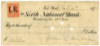
Document Signed, New York, July 5, 1898, “Joshua L. Chamberlain,” a partly printed 2 ¾” x 6 ½” check, also accomplished by Chamberlain, payable to one H.C. Orr in the amount of ten dollars. A two-cent revenue stamp is affixed at upper left.
Lightly toned, with a few stains, soiling, wear, numerous folds, and a few tiny edge chips; three hole-punch cancellations, well away from the signature.
CHESNUT, JAMES, JR. (1815-85) Confederate Brigadier General; Served as aide to Confederate General P.G.T. Beauregard & President Jefferson Davis; U.S. Senator – South Carolina – 1858-60; Husband of Confederate diarist Mary Boykin Chesnut
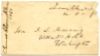
Franked Envelope, 2 ¾” x 5 ¼”, “James Chesnut, U.S.S. fr…,” as U.S. Senator from South Carolina, also addressed by Chesnut to “Hon[orable] J.L. Manning, Willard’s Hotel, Washington.” Dated 1860 vertically at the left edge, quite possibly by the recipient, John Laurence Manning, former South Carolina governor, 1852-54, who later served as a colonel in the Confederate Army.
Torn irregularly in opening at the upper right corner, affecting the last few characters of Chesnut’s frank.
CLEM, JOHN LINCOLN “JOHNNY” (1851-1937) Union Drummer Boy - 22nd Ohio Infantry, in the American Civil War; Known as the “Drummer Boy of Chickamauga”; Retired with the rank of Brigadier General in 1915
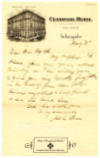
Autograph Letter Signed, on 6” x 9” Indianapolis, Indiana hotel stationery; no year, but from later life, sending condolences to an old friend.
“May 31.
Dear Mrs. Nyeth,
My nephew Ed Adam gave me your address yesterday, so I am writing you to give you my heartly [sic] Sympathy in the loss of your dear father. He was my oldest & best friend & we all loved him.
God be with you,
Jno. L. Clem.
__________________________________
Lightly and evenly toned, with two horizontal folds and a few tiny tears at the edges.
COBURN, JOHN (1825-1908) Union Brevet Brigadier General; Colonel of the 33rd Indiana Infantry; U.S. Representative – Indiana – 1869-75; Associate Justice of the Montana Territorial Supreme Court – 1884-85
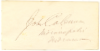
Signature, “John Coburn, Indianapolis, Indiana,” as U.S. Congressman on a 2 ½” x 5” portion of an album page.
Lightly and evenly toned, with a few minor stains; original binding traces at the left edge.
COX, JACOB DOLSON (1828-1900) Union Major General; U.S. Interior Secretary – 1869-70; Governor of Ohio – 1866-68; U.S. Representative – Ohio – 1877-79
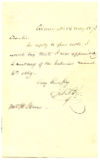
Autograph Letter Signed, 5” x 8”, confirming the date of his appointment as Interior Secretary in the administration of President Ulysses S. Grant.
“Cincinnati [Ohio], 14 May 1873. Dear Sir: In reply to your note I would say that I was appointed Secretary of the Interior March 6th 1869. Very Resp[ectfull]y, J.D. Cox.”
Lightly and evenly toned, with two horizontal folds; old hinge and mounting remnants on reverse of the integral leaf.
CUDWORTH, WARREN HANDEL (1825-83) Union Chaplain - 1st Massachusetts Infantry; Unitarian Pastor; Authored “History of the First Regiment (Massachusetts Infantry),” published in 1866
-100.png)
-100.png)
Signed Envelope, 3” x 5 ¼”, “Soldier’s Letter, W.H. Cudworth, Chaplain, Mass[achusetts] 1st,” transmittal for a Civil War letter (no longer present) from an unidentified soldier; addressed in another hand, to “Mr. Joseph L. Rand, North Waterford, Maine,” and bearing a “Due 3” postal stamp. Pencil arithmetic notations are on the reverse.
Moderate toning throughout, with the expected wear, soiling, and edge chips and tears.
CURTIS, SAMUEL RYAN (1805-66) Union Major General; U.S. Representative – Iowa – 1857-61; Veteran of the Mexican War
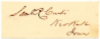
Signature, as U.S. Representative, “Saml. R. Curtis, Keokuk, Iowa,” on a 1 ½” x 4” portion of an album page.
Lightly and evenly toned, with minor staining.
DAVIS, JEFFERSON F. (1808-89) Confederate President - 1861-65; U.S. Secretary of War – 1853-57; U.S. Senator – Mississippi – 1847-51 & 1857-61; U.S. Congressman - Mississippi – 1845-46; Veteran of the Mexican War
Signature, dated from the former Confederate president’s post-war home on the Mississippi Gulf Coast, “Jefferson Davis, Beauvoir, Miss[issipp]i, 4th March 1882,” on a 1 ¾” x 4 ¾” slip of paper. Affixed to heavier backing.
Lightly toned; the signature is noticeably light and lacking in contrast.
DYER, ALEXANDER BRYDIE (1815-74) Union Brigadier General; Chief of Ordnance of the U.S. Army – 1864-74; Veteran of the Mexican and Seminole Wars

Civil War-Date Letter Signed
Letter Signed, on imprinted 8” x 9 ¾” official stationery, directing Captain James S. Abeel of the need to renew his bond for service in the Ordnance Department.
“Ordnance Office
War Department, Washington. Nov[ember] 16, 1864
Capt[ain] J.S. AbeelMil[itary] Stporekeeper, U.S. Arsenal
Rome, N[ew] Y[ork]
Sir:
Your attention is called to Paragraph 989 General Regulations of the Army which requires that Official Bonds shall be renewed every four years.
Your present Bond bears date 26 March 1860 and should be replaced as soon as practicable.
Respectfully
Your Ob[edien]t Serv[an]t
A.B. Dyer
Brig[adier] Gen[eral] Ch[ie]f [of] Ord[nance]”
Lightly and evenly toned, with the expected folds and minor staining; several pencil notations; old mounting remnants in the corners of the reverse.
FISK, CLINTON BOWEN (1828-90) Union Brigadier General; Colonel of the 33rd Missouri Infantry; Official in the Freedmen’s Bureau; U.S. Presidential Candidate – Prohibition Party – 1888; Namesake of Fisk University
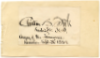
Signature, from a reunion event, “Clinton B. Fisk, Seabright, N[ew] J[ersey], Army of the Tennessee Reunion, Sept[ember] 26, 1889,” on a 2 ¼” x 3 ½” slip of paper; affixed to a larger sheet
Lightly and evenly toned, with a few minor stains; old binding holes at the left edge of the attached album page.
FOOTE, ANDREW HULL (1806-1863) Union Navy Officer, promoted to Rear Admiral on July 16, 1862
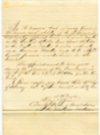
Just days after the capture of Fort Donelson, Foote makes an appointment in the Western Gun Boat Flotilla, while General Ulysses S. Grant emerges as a champion of the Union.
Civil War-Date Document Signed, 8” x 12 ½”, a manuscript order appointing one G.B. Simmonds to the rank of second master. Fort Donelson, at the time a Confederate installation on the Cumberland River in Tennessee, was surrendered on February 16, 1862, just three days prior to this order. Union forces, including Flag Officer Foote, were under the command of General Ulysses S. Grant, whose action during the siege, battle, and capitulation – specifically his demand for “unconditional and immediate surrender” of the Confederate command at the fort - propelled him into national prominence.
“Be it known that reposing trust in the honor and ability of G.B. Simmonds, I do hereby appoint him a Second Master in the United States Gun Boat Flotilla on the Western Water to hold authority as a Second Master and to be obeyed by all persons under him in the service. The appointment to hold good during the pleasure of the Commander in Chief of the Gun Boat Flotilla for the time being. Given under my hand this 19th day of February A.D. Eighteen hundred and Sixty two. A.H. Foote, Com[man]d[in]g U.S. Naval Forces in the Western Waters.”
Overall condition is very good, with light, even toning, a few minor stains, and the expected folds.
FOSTER, GEORGE PERKINS (1835-79) Union Brevet Brigadier General; Colonel of the 4th Vermont Infantry; U.S. Marshal for the District of Vermont – 1870-79
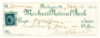
Document Signed, Burlington, Vermont, July, 18, 1878, “Geo. P. Foster,” a partly printed 2 ¾” x 7 ½” check, also accomplished by Foster, payable to “Myself” for seventy-five dollars.
The signature is unaffected by several bank cancellations.
FOSTER, JOHN GRAY (1823-74) Union Major General; Veteran of the Mexican War
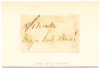
Civil War-Date Signature
Signature, with rank in another hand, “J.G. Foster, Major Gen[era]l Com[mandin]g,” on a 1 ½” x 2 ½” slip of paper.
Lightly and evenly toned, with minor staining and wear; affixed to a larger, heavier card, with old mounting remnants on the reverse.
FRANKLIN, WILLIAM BUEL (1823-1903) U.S. Army Officer; Union Major General during the American Civil War
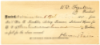
FRENCH, LUTHER PIERCE (1812-95) Union Chaplain – 20th Maine Volunteer Infantry
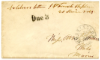
Civil War-Date – as Chaplain of the 20th Maine Infantry
Signed Envelope, 3” x 5 ¼”, “Soldiers letter, L.P French, Chaplain 20 Maine Vol[unteer]s,” originally containing a letter (no longer present) from a soldier in the 20th Maine Volunteer Infantry, the unit notably led by Colonel Joshua Lawrence Chamberlain at the Battle of Gettysburg; bearing a Washington, DC postmark from December of an indiscernible year, along with a “Due 3” handstamp.
Lightly and evenly toned, with the expected soiling and wear, particularly at the edges.
FULLERTON, JOSEPH SCOTT (1835-97) Union Brevet Brigadier General; Lieutenant in the 2nd Missouri Infantry; Served on the staff of Union General Gordon Granger
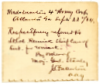
Civil War-Date
Autograph Endorsement Signed, on a 2 ¾” x 3 ¼” slip of paper, removed from a larger document; dated from Atlanta, Georgia just three weeks after the fall of the city to General William Tecumseh Sherman, his action there earning Fullerton the appointment to brevet brigadier general.
“Head-Quarters 4th Army Corps, Atlanta, Sept[embe]r 22/[18]64. Respectfully referred to L[ieutenan]t Col[onel] Remick, Chief Com[mandin]g Sub[sistence] for remark. By order of Maj[or] Gen[era]l Stanley, J.S. Fullerton, A[ssistant] A[djutant] G[eneral].”
Lightly and evenly toned, with a few small chips at the edges.
GARNETT, RICHARD BROOKE (1817-63) Confederate Brigadier General - Virginia; Killed-in-Action during Pickett’s Charge at the Battle of Gettysburg - July 3, 1863
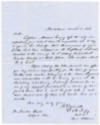
Very Rare Autograph Letter Signed – returning the remains of a West Point classmate, mortally wounded at the Mexican War Battle of Churubusco
Autograph Letter Signed, 8” x 10”, to “Mr. Francis Bacon, Alfred, M[ain]e,” returning the remains of his brother, Lieutenant John Danforth Bacon, who died on October 12, 1847 from wounds received at the Mexican War Battle of Churubusco.
“New Orleans, March 13, 1848.
D[ea]r Sir:
Captain Monroe having left the city unexpectedly for a short time, he requested me to say to you in his behalf – that the remains of your brother had been shipped on the Lapland to Boston, directed to the care of U.S. Acting Assistant Quarter Master at that place. She sailed about the 9[th] Inst[ant].
Before closing this letter, permit me to offer you my sincere sympathy for the loss of your brother, who besides belonging to the same Regiment, was associated with me many years at the Military Academy. I always esteemed his as one of my dearest friends & it is a source of comfort to know that he met his fate like a soldier – surrounded by those who loved him as a brother.
I am very truly yours,
R.B. Garnett,
L[ieutenan]t 6th Inf[antr]y.
U.S.A.
New Orleans
Excellent overall, with the expected original folds.
GETTY, GEORGE WASHINGTON (1819-1901) Union Brigadier General; Lieutenant in the 2nd Missouri Infantry; Served on the staff of Union General Gordon Granger; Veteran of the Mexican and Seminole Wars
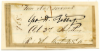
Signature, with closing and rank in another hand, “Your ob[edien]t servant, Geo. W. Getty, Col[onel] 3rd Artillery,” on a 1 ½” x 3 ¼” slip of paper, removed from a larger letter; affixed to heavier backing.
Boldly signed; general staining and wear throughout.
GLADDEN, ADLEY HOGAN (1810-62) Confederate Brigadier General; Mortally wounded while leading the 1st Louisiana Infantry at the Battle of Shiloh – April 6, 1862; Veteran of the Mexican War & the Second Seminole War
Civil War-Date Signature
Signature & Rank, “A.H. Gladden, Brig[adier] Gen[era]l,” on a 1” x 6” portion of a partly printed Confederate document, December 18, 1861.
Evenly toned, with old glue staining on the reverse.
GORDON, JOHN BROWN (1832-1904) Confederate Major General; U.S. Senator – Georgia – 1873-80 & 1891-97; Governor of Georgia – 1886-90
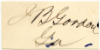
Signed Card, 1 ½” x 3”, as U.S. Senator from Georgia, “J.B. Gordon, G[eorgi]a.”
Lightly and evenly toned, with a few ink stains; old mounting traces on the reverse.
GORMAN, WILLIS ARNOLD (1816-76) Union Brigadier General; Early-war Colonel of the 1st Minnesota Infantry; Minnesota Territory Governor – 1853-57; U.S. Representative – Indiana – 1849-53; Veteran of the Mexican War
-100.png)
-100.png)
Civil War-Date Autograph Letter Signed – with excellent Vicksburg Campaign content
Autograph Letter Signed, two pages, front and reverse of an imprinted 8” x 10 page as Commander of the District of Eastern Arkansas. In the early stages of the Vicksburg Campaign, Gorman sends a highly detailed account of operations under his command to Admiral David Dixon Porter. Worthy of further study.
“St. Charles [Arkansas], Jan[uar]y 20th 1863
Acting Rear Admiral
D[avid] D[ixon] Porter
Admiral:
Your dispatch of the 19th (yesterday) was duly rec[eive]d at 8 A.M. Today. All my transports will be at the mouth tomorrow. From there I will row up to Helena, as each boat has Artillery, Cavalry and Infantry and I cannot fit out the force I am going to send to Maj[or] Gen[era]l McClernand at any other place. I will send for the Vicksburg Expedition all the force possible, at least one full brigade, one field battery fully equipped, and I think I may be able to send two brigades, being one more than the General asks.
My success with the Expedition up White River has been complete. At St. Charles I captured a large amount of forage, corn &c. and some prisoners. At Duvall’s Bluff I took two 8 inch Columbiads with carriages in complete order, 25 prisoners with 70 new Enfield rifles, some stores, tents, &c., destroyed 3 cars & R[ail] R[oad] track, and burnt two Bridges – one 90 and the other 200 feet long.
At Des Arc we captured 100 prisoners, several hundred rounds of fixed 6 po[und] ammunition, several thousand bushels of Gov[ernmen]t corn, a large rebel mail, and destroyed their Telegraph. All the force of the enemy have crossed the Arkansas [River] to Little Rock.
I should have gone to Little Rock dire[c]t if I could have crossed the sea of mud and wa[ter] between there and Duvall’s Bluff, but this is impossible at the present, and my orders were such as to comp[lete] my return at once.
I am Admiral very respectfully y[ou]r
Ob[edient] Serv[an]t,
W.A. Gorman
Brig[adier] Gen[ra]l Com[mandin]g.”
Lightly and evenly toned, with two horizontal folds; an old paper mounting strip at the right edge of the reverse obscures a few letters of text.
GOVAN, DANIEL CHEVILETTE (1829-1911) Confederate Brigadier General; Early-war Colonel of the 2nd Arkansas Infantry; Led a brigade in the Army of Tennessee at the Battles of Franklin & Nashville; U.S. Indian Agent in Tulalip, Washington - 1894-97
-100.png)
-100.png)
Document Signed, Everett, Washington, January 13, 1898, “D.C. Govan, U.S. Indian Agent,” a partly printed 2 ¾” x 6 ½” check, also accomplished by Govan, drawn on The Everett National Bank for fifteen dollars. Signed a second time on the reverse, “Witness, D.C. Govan.”
Lightly and evenly toned; punch cancellation at the center, with minimal loss of paper, affects neither signature.
GRANT, ULYSSES S. (1822-85) Eighteenth U.S. President – 1869-77; Union Lieutenant General, during the American Civil War; Commanding General of the Army of the United States – 1864-69
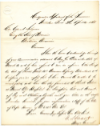
Civil War-Date Letter Signed – early in the Vicksburg Campaign
Letter Signed, 7 ¾” x 9 ¾”. From encampment across the Mississippi River in Louisiana during the campaign to take the Confederate stronghold of Vicksburg, Mississippi, General Grant acknowledges communication from Wisconsin Governor Edward P. Salomon regarding 14th Wisconsin Infantry Private Isaiah R. Idell. Private Idell received a disability discharge on September 12, 1863.
“Headquarters Department of the Tennessee, Millikens Bend, L[ouisian]a, April 14, 1863. Hon[orable] Edward Salomon, Gov[erno]r of Wisconsin, Madison, Wisconsin. Governor: I have the honor to acknowledge the receipt of your Communication addressed to Maj[or] Gen[eral] [Samuel] Curtis under date of March 16, and by him referred to me, in reference to the Descriptive list of Private Idell, 14th Wisconsin Infantry Volunteers, and to inform you in reply that I have caused the matter to be investigated, and have this day forwarded to Private Idell, at Mound City Hospital, his Descriptive Roll and Account of Pay and Clothing, together with your letter on the subject. I enclose herewith, for your information, a copy of the letter of Capt[ain] Henry, of Co[mpany] E, 14th Wis[consin] Vol[unteers]. I am, Governor, Very Respect[fully] Your Ob[edien]t Serv[an]t, U.S. Grant, Major General.”
Excellent, with light, even toning and the expected vertical and horizontal folds.
GRANT, ULYSSES S. (1822-85) Eighteenth U.S. President – 1869-77; Union Lieutenant General, during the American Civil War; Commanding General of the Army of the United States – 1864-69
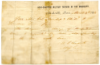
Civil War-Date Autograph Document Signed – a handwritten Pass
Autograph Document Signed, 5” x 7 ¾”, a handwritten pass on an official form, imprinted “Head-Quarters Military Division of the Mississippi, Nashville, Tenn[essee],” surely one of the last orders that Grant issued before promotion. He traveled to the East just days later, arriving in Washington, D.C. on March 8 and was famously and ceremoniously appointed lieutenant general and commander-in-chief of the U.S. Army by President Lincoln on March 9, 1864.
“March 4, 1864. Pass Mrs. Col[onel] Dunlap & Child to Loudon Tenn[essee] free. The Surgeon in charge of Hospital train is requested to take Mrs. Dunlap on the train with him. U.S. Grant, Maj[or] Gen[eral].”
Toning and wear throughout; old repairs on the reverse to minor paper loss and separation along several folds, with associated tape staining.
GRANT, ULYSSES S. (1822-85) Eighteenth U.S. President – 1869-77; Union Lieutenant General, during the American Civil War; Commanding General of the Army of the United States – 1864-69
-100.png)
-100.png)
Civil War-Date Autograph Letter Signed – Endorsed by Five Union Generals before the Battles of Iuka & Corinth in Confederate Mississippi
GRANT, ULYSSES S. (1822-85) Eighteenth U.S. President – 1869-77; Union Lieutenant General, during the American Civil War; Commanding General of the Army of the United States – 1864-69
ROSECRANS, WILLIAM STARKE (1819-98) Union Major General; U.S. Representative – California – 1881-85
TOWNSEND, EDWARD DAVIS (1817-93) Union Brigadier General; Adjutant General of the U.S. Army – 1869-80; Veteran of the Second Seminole War
HALLECK, HENRY WAGER (1815-72) Union Major General; Commander in Chief of the U.S. Army – 1862-64
HAMILTON, CHARLES SMITH (1822-91) Union Major General; Veteran of the Mexican & Comanche Wars
WATSON, PETER H. (?-?) Assistant Secretary of War, 1862 – Appointed by President Lincoln
Document Signed, 7 ¾” x 9 ¾”, endorsements on the reverse of a handwritten letter from Brigadier General Charles Smith Hamilton, requesting leave for twenty-five days. Army General-in-Chief Henry W. Halleck concludes by denying the request. The Battle of Iuka was fought on September 19, 1862, followed by the Battle of Corinth on October 3-4, both being regarded as Union victories.
“July 16, [18]62 C.S. Hamilton, Brig[adier] Gen[eral]. Applies for leave of absence.”
“Head Quarters, Dep[artmen]t of W[est] T[ennessee]. Corinth, July 19th 1862. Approved and respectfully forwarded to Gen[eral] H[ea]d Q[uarte]rs. U.S. Grant, Maj[or] Gen[eral].”
“Respectfully submitted to the Secretary of War. E.D. Townsend, Ass[istan]t Adj[utan]t Gen[era]l.”
“Referred to the General in Chief. By order of the Secretary of War. P.H. Watson, Ass[istant] Sec[retary] of War. Aug[ust] 20/[18]62.”
“Respectfully forwarded W.S. Rosecrans, Brig[adier] Gen[era]l U.S.A Com[man]d[in]g.”
“Not approved. Aug[ust] 22nd 1862. H.W. Halleck, Gen[era]l in Ch[ie]f.”
General Hamilton’s letter, in full, directed to “Brig[adier] Gen[eral] L[orenzo] Thomas, Adj[utan]t Gen[eral] U.S. Army, Washington, D.C.”
Camp near Corinth Miss[issippi]
July 16 – [18]62
Sir
I respectfully ask for leave of absence from my command for twenty five days.
An absence of over one year from my business, together with some recent complications in my private & personal affairs, renders it of vital importance to myself and family that I should give them my personal attention. Very respectfully, Your Ob[edien]t S[er]v[an]t, C.S. Hamilton, Brig[adier] Gen[eral] Vol[unteer]s.”
Tipped to slightly larger backing; lightly and evenly toned, with the expected folds and minor staining.
GRIERSON, BENJAMIN HENRY (1826-1811) Union Brigadier General; Colonel of the 6th Illinois Cavalry; Organized & Lead “Grierson’s Raid” during the Vicksburg Campaign; Commander of the U.S. 10th Cavalry of Buffalo Soldiers – 1866-90
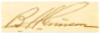
Signature, “B.H. Grierson,” on a 1” x 3” slip of paper, removed from a larger document or letter.
Lightly and evenly toned; somewhat closely clipped; excellent otherwise.
GRIFFITH, RICHARD (1818-62) Confederate Brigadier General – Mississippi; Mortally wounded in the Battle of Savage’s Station – June 29, 1862
-100.png)
-100.png)
-100.png)
-100.png)
-100.png)
Civil War-Date Autograph Letter Signed
“While the enemy threatens our front, and there remains a reasonable prospect or hope for him to advance, I will not leave my post except to meet him."
Autograph Letter Signed, 8 ¼” x 10 ½”, four pages on a folded letter-sheet, with exceptional content. Writing to his wife from winter encampment in the northern Virginia, Griffith details the dire situation of matters within the Confederate Army, shares emotional reflections on family and friends, and mentions several slaves by name.
“H[ea]d Q[uarte]rs 1st Corps Army Potomac, Leesburg, V[irgini]a, Jan[uar]y 21st 1862.
My darling wife,
My last letter to you had scarcely been mailed, when much to my delight, yours of 10th inst[ant] was placed in my hands, acknowledging the receipt of the $10.00 for little Georgy’s new year’s gift. Happy indeed was I to learn that all at home were well once more, and sincerely do I hope you may thus continue – and that health, happiness and prosperity may constantly attend you until we meet again. But when that may be I am unable to say at present. While the enemy threatens our front, and there remains a reasonable prospect or hope for him to advance, I will not leave my post except to meet him. For the past week the weather has been moderate and wet, & the ground in consequence becoming quite soft. Should similar weather continue much longer, the roads will become impassable for Artillery and heavy wagon trains, and render active field operations for troops utterly impracticable. Then I may seize upon the auspicious moment and run home, if to remain there only a few days. After much beseeching I have yielded to the wishes of my Adj[utant] Gen[era]l and consented to recommend him for a Furlough of 30 days. During his absence I can’t think of leaving, as much confusion would ensue in the official business of my department – having no other competent to supply his place. Gen[era]l Hill with assistance of Col[onel] Barksdale could readily fill my post, but my aid is not qualified to step into the shoes of my Adjutant. To undertake the qualifying another is just what I don’t feel disposed to do just now. The preparing od one was a huge task, and required several months training, and to attempt to teach another, who is not a very apt scholar, would be a herculean labor, and too much for one year’s campaign. When
[Page 2]
Capt[ain] Inge returns from his Furlough, I may then be able to leave, which will be most likely towards the latter part of February, providing the opposing armies continue as they now are. Should I not get the privilege of a short leave, you will be informed of it, and there I shall certainly insist upon a visit from you. Ere this I should have persuaded you to visit Leesburg, but I knew full well the troubles and difficulties such a trip at this season of the year – encumbered with children and baggage, over broken & interrupted rail roads. It would be hazardous in the extreme, unless accompanied by someone that could attend to all your wants & wishes to render you comfortable. Such trips had better be postponed to a more favorable season. You may rest assured I will come home on a visit if I can possibly leave my post in security. This however I intend keeping to myself.
As yet, dear wife, those wished for reinforcements have not been furnished, and I much fear they will be looked for in vain. Gen[era]l Beauregard cannot spare them without weakening his lines. He has sent us some ordnance which is of material importance, and we have the promise of some more. But we need an increase of infantry, as well as of Cavalry and Artillery. Our ranks are being gradually thinned, and no recruits coming to supply the vacancies. Spring may find our troops going home – their present term of enlistment having expired – and without re-enlistment of new troops, the field must be abandoned to the enemy, and Virginia wil be lost to us, and with the loss of Virginia all is gone and the ‘rebellion crushed.’ The prospect to me just now seems gloomy indeed, but I look for a bright and cheerful dawn. The women of our Country will be its hope and salvation. They must not permit the men to remain at home while we have an invading and heartless foe on our borders. Let them point the finger od scorn at every able bodied man who refuses or fails to meet his country’s call. Duty demands his service and he is a bare recreant who declines to respond favorably.
[Page 3]
Glad to learn Dr. Buck has returned home, for I shall feel much better satisfied with his Medical attendance in our family; at same time intending no disparagement to the other Doctors of Jackson. By the papers I see that our Governor has recalled the 60 days militia or Supernumeraries. I suppose they will be turned into a Home Guard again – filling a place that could be much better occupied by one heroic and patriotic woman – the support of the army – God bless them – following the war worn soldiers with their tears, their blessing, and their prayers – encouraging and cheering him in his manly duty. Excuse me, dear wife, for writing so much on these matters. My heart is in it.
I thank you for re-fitting the orchard – it was much needed. It seems to me that Tom is sufficiently intelligent to cut out the dead limbs and twigs, and shorten in the too much extended branches. Perhaps he is the best chance under the circumstances – with Jim Brown or Jim Gardener to assist. Mr. Allen may have returned by this time, and may be profitably employed again at home. But I would much rather see him in the ranks as a soldier. By the way, in riding along the brigade line I saw Mr. Tripp – he has not called to see me. I also saw Mr. Pat O’conner – my old gardener – in the ranks, and many others I might name whom you might have known – old & young. Do you know one Ja[me]s D. Green, son of Thomas K. Green? He is in the ranks here and has applied to me for some position that would relieve him. If it is the one I think, I don’t like the stock. Such applications are very numerous, pressing, and very annoying often. The old linen baby coat was understood by me at first sight, & my remark was simply intended to plague you. It has been very useful. It is to be regretted that I did not write you sooner in regard to my account with Shaw & Doherty. The amount of the bill seems very large, but it may be all correct, except as to the extravagant prices. When I return will look into it more carefully. It may be well enough however that it is settled. Would prefer not to be in debt any where.
[Page 4]
The approach of the Yankees to Jackson from Ship Island need not be apprehended. The route is not a practicable one. But I am glad to hear you say they would not find you there to receive them. In that event the valiant-Home Guard will be called into requisition, and can render themselves useful, and no doubt would. Yankee threats amount to but little. For the last three months or more they have been threatening to annihilate our army on the Potomac, but they have scarcely moved from their intrenchments & dare not. They were to move forward on the 15th inst[ant], but postponed it to the 25th, and after that I presume it will be prolonged indefinitely. We wish they would come – are prepared to give them a warm reception. Your arrangements for supply of meat &c. for the year is a most excellent one, and meets my full approbation. Pay Pa the full market price for pork as his proposition is exceedingly generous. The meat you have, and arranged for, with plenty of Molasses and cornmeal will amply feed the negroes. And then the potatoes.
How happy it makes me, dear wife, to know that I am loved and thought of by my children as well as by yourself. In this I am favored and blessed as in other relations of life. Tell Whitfield not to be impatient, that his Father will write go him again soon, as well as to Jefferson. To my dear Lucy I must also write something, whether she can read it or not. To-morrow or next day, I shall look for another from you. I have written much in this sheet, and said but little – what you don’t wish to read, consider as blank. And save yourself the trouble, as I do frequently with these in which I feel no interest from seeing the name subscribed. I am indebted to a Mr. J.D. Weil for sending me the Mississippian. Should you meet him my thanks. It is late at night and snowing – ground covered again. Remember me kindly to all, and kiss the babies. My military family all well. Have not written half what I wanted to say. May God bless you all and shield you from harm and danger is the fervent prayer of Your affectionate husband, R. Griffith.”
[Postscript, penned upside-down in the upper margin of Page 1]
"The enclosed dollar is for any negro you may see proper to give it – unless such has already received one. I will send Whitty one to give away, and also Lucy. Kiss Lucy often for me."
Accompanied by the 3 ½” x 6” transmittal envelope, addressed by Griffith to his wife, “Mrs. Gen[era]l R. Griffith, Care Col[onel] J.D. Stewart, Jackson, Mississippi,” with a Leesburg, Virginia postmark and two five-cent Confederate postage stamps affixed at upper left.
The letter is in excellent condition and highly legible, with light toning and the expected folds; there is heavier wear and soiling, a few small tears, at the edges of the transmittal envelope.
GROESBECK, JOHN BROWN (1820-79) Union Colonel – 39th Ohio Infantry; Led a brigade at New Madrid & Island No. 10
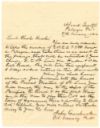
Civil War-Date Autograph Letter Signed – from the site of the “Palmyra Massacre”
Autograph Letter Signed, 7 ¼” x 9 ¼”, from the northeastern Missouri post most dubiously remembered for the Palmyra Massacre of later in the year, concerning the conveyance of prisoners to the provost marshal in St. Louis.
"Head Quarters, Palmyra, M[iss]o[uri], 9th January – 1862.
Lieut[enant] Charles Knowles;
You are hereby ordered to take the members of Co[mpany]s C.D.F.G. & H. now in Palmyra, and take them as an escort to the prisoners, that will be entrusted to Your Charge. Go to St. Louis via Hudson & N.M. Rail Road. They will take their equipments & 3 days cooked rations in their Haversacks.
When You shall have delivered your prisoners into the hands of the Provost Martial [sic] of St. Louis, You will march the men to the Depot of the Pacific R[ail] Road & by the first train send the men to join their Co[mpany]s at the town of Syracuse, there reporting to Lieut[enant] Col[onel] Gildbert, You will return without delay to your Co[mpany] here.
John Groesbeck, Col[onel] Comm[an]d[in]g Post.”
Lightly and evenly toned, with the expected folds.
HAMMOND, WILLIAM ALEXANDER (1828-1900) Union Brigadier General; Surgeon General of the U.S. Army – 1862-64; Founder of the Army Medical Museum; Co-founder of the American Neurological Association
Appointed U.S. Surgeon General on April 25, 1862, Hammond radically reorganized the war-time Medical Department. He was court-martialed and dismissed from the service in 1864 after a political struggle with Secretary of War Stanton; the charges were reviewed in 1879 and Hammond was exonerated, restored to rank, and placed on the retired list.
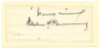
Signature, with closing, “Yours sincerely, William A. Hammond,” on a 1 ¾” x 4 ¾” slip of paper, removed from a letter; tipped to slightly larger backing.
Lightly and evenly toned, with a collector’s pencil notation in the lower left corner.
HARRISON, BENJAMIN (1833-1901) Twenty-Third U.S. President - 1889-93; Union Brevet Brigadier General, during the American Civil War; Colonel of the 70th Indiana Infantry; U.S. Senator – Indiana – 1881-87
-100.png)
-100.png)
Signature, as U.S. Senator, “Benj. Harrison, Ind[ian]a,” on a 5 ½” x 8 ¼” album page, above the signature of Daniel W. Voorhees, Harrison’s Indiana colleague in the U.S. Senate; the large signature of U.S. Senator John A. Logan, Union general from Illinois during the American Civil War, is on the reverse.
Excellent, with light, even toning and a few superficial stains and light surface creases.
HASKIN, JOHN BUSSING (1821-95) U.S. Representative – New York – 1857-61
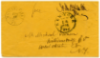
Franked Envelope as Civil War Congressman
Franked Envelope, 3” x 5 ½”, “John B. Haskin, M[ember] C[ongress],” with stamped free designation and February 19, 1861 New York City and Williamsburgh, New York postmarks; addressed in another hand to a Westchester County, New York resident.
Smearing of ink in the New York postmark and in portions of the address; heavier soiling and wear at the edges.
HAYS, WILLIAM (1819-75) Union Brigadier General; Veteran of the Mexican & Seminole Wars
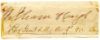
Civil War-Date Signature
Signature, with rank in another hand, “William Hays, Brig[adier] Gen[era]l & A[ssistant] P[rovost] M[arshal] Gen[eral],” on a 1” x 3 ½” slip of paper, removed from a larger letter; affixed to larger backing.
General staining and wear throughout; there is a diagonal tear, with no loss of paper, through a portion of the signature.
HAZEN, WILLIAM BABCOCK (1830-87) Union Major General; Early-war Colonel of the 41st Ohio Infantry; Chief Signal Officer in the U.S. Army – 1880-87; Veteran of the Indian Wars
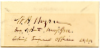
Signed Card, 1 ¾” x 3 ¾”, bevel-edged, “W.B. Hazen, Br[i]g[adier] & B[re]v[e]t Maj[or] Gen[era]l, Chief Signal Officer U.S.A.”
Rectangular area of uneven toning from past framing surrounds the signature, along with general wear and soiling throughout; surface abrasion at the lower right; old mounting traces on the reverse.
HILL, AMBROSE POWELL (1825-65) Confederate Lieutenant General; Early-war Colonel of the 13th Virginia Infantry; Killed-in-Action during the Battle of Petersburg, Virginia – April 2, 1865; Veteran of the Mexican and Seminole Wars
-100.png)
-100.png)
Civil War-Date Endorsement Signed – Just six weeks before Hill’s death at the Battle of Petersburg
War-Date Endorsement Signed, on a 3 ¾” x 7” portion from the reverse of a medical furlough document. Signed beneath by an adjutant, and on the reverse by two surgeons and 47th North Carolina Infantry Sergeant Joseph Young Moss.
“H[ea]d Q[uarte]rs 3rd Army Corps, Feb[ruar]y 17, 1865. Res[pectfully] forwarded approved, A.P. Hill, Lieutenant Gen[era]l.”
A.P Hill was killed-in-action at the Battle of Petersburg, Virginia just six weeks after the signing of this endorsement. Modern records indicate that Sergeant Moss was wounded and captured during the Battle of Gettysburg, later exchanged, and was again captured on the day of Hill’s death at Sutherland’s Station, Virginia.
On the medium-brown paper often used by the Confederates, thus a bit lacking in contrast, with the expected light fold creases.
HILL, AMBROSE POWELL (1825-65) Confederate Lieutenant General; Early-war Colonel of the 13th Virginia Infantry; Killed-in-Action during the Battle of Petersburg, Virginia – April 2, 1865; Veteran of the Mexican and Seminole Wars
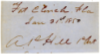
Signature, with place and date also in Hill’s hand, “Fort Clinch, Fl[orid]a, Jan[uary] 31st 1850, A.P. Hill, 1st Art[illery],” on a 1 ¾” x 3 ¼” portion of a military document.
A large, bold example, in stark contrast to the smaller and lighter signings from many of Hill’s Civil War-time documents and letters.
HOOD, JOHN BELL (1831-79) Confederate General; Early-war Colonel of the 4th Texas Infantry
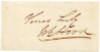
Signature, with sentiment, “Yours Truly, J.B. Hood,” on a 2 ¼” x 4 ½” slip of paper.
A large, exceptional example.
HOOKER, JOSEPH (1814-79) Union Major General; Led the Union Army of the Potomac at the Battle of Chancellorsville, Virginia; Veteran of the Mexican & Seminole Wars
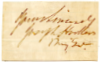
Civil War-Date Signature & Rank
Signature, with sentiment and early-war rank, “Yours Sincerely, Joseph Hooker, Brig[adier] Gen[era]l,” on a 2” x 3 ¼” slip of lined paper, affixed to heavier backing of the same dimension.
Lightly and evenly toned, with minor wear and staining; portions affected by brushing and bleeding of ink, along with surface abrasion.
HUNTON, EPPA (1822-1908) Confederate Brigadier General; U.S. Senator – Virginia – 1892-95; U.S. Representative – Virginia – 1873-81
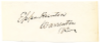
Signature, as U.S. Congressman, “Eppa Hunton, Warrenton, V[irgini]a,” on a 2” x 5” portion of an album page.
Excellent.
INGALLS, RUFUS (1818-93) Union Brigadier General; Brigadier & Quartermaster General of the U.S. Army – 1882-83; Veteran of the Mexican War

Signature, “Rufus Ingalls,” with rank in another hand, on a 1 ¼” x 3 ¼” slip of paper, removed from a military letter.
Lightly and evenly toned, with a few small stains; an old mounting hinge is on the reverse.
JACKSON, CLAIBORNE FOX (1806-62) Governor of Missouri – 1861; Confederate Governor in exile, planning the secession of the State of Missouri – 1861-62; Missouri State Congressman – 1836-52
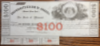
Civil War-Date Document Signed
Document Signed, 5 ¾” x 13”, January 1, 1862, Jefferson City, Missouri, “C.F. Jackson,” as Confederate Governor in exile, a $100 “Missouri Defence Bond,” with a lightly embossed seal at left. The payee is unnamed, despite only three of the coupons attached at the lower edge being still present.
Lightly and evenly toned, with minor, clean separation at the edges of a vertical fold at mid-right.
JAMES, WILLIAM LEVIS (1833-1903) Union Brevet Brigadier General; Civil War Colonel in the Quartermaster’s Department
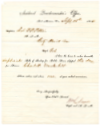
War-Date Letter Signed – City Point, Virginia, September 1864 – Bills of Lading for the “Steamer Charlotte Vanderbilt.”
Civil War-Date Letter Signed, on an imprinted 7 ½” x 9 ½” form. Partly printed, with the manuscript portions also being accomplished by James.
“Assistant Quartermaster’s Office, Fort Monroe, V[irgini]a, Sept[ember] 26th 1864. Captain Col[onel] P.P. Pilkin, A[ssistant] Q[uarter] M[aster] City Point, Va. Col[onel], I have the honor to enclose herewith, duplicate Bills of Lading for Public Stores, shipped this day per Steamer Charlotte Vanderbilt. Please endorse and return one at your earliest convenience. Very respectfully Your Ob[e]d[ien]t Servant, Wm. L. James, Capt[ain] and A[ssistant] Q[uarter] M[aster].”
Lightly and evenly toned, with two horizontal folds; there is a small tear, with minor paper loss, in the upper left corner.
JOHNSON, BUSHROD RUST (1817-80) Confederate Brigadier General; Saw action at the Civil War battles of Fort Donelson, Shiloh, Stone’s River, Chickamauga, and Petersburg; Veteran of the Mexican War
Mexican War-Date Document Signed
Document Signed, 6” x 8”, “April 30, 1847, Vera Cruz, Mexico, B.R. Johnson, L[ieutenan]t & A[ssissant] A[djutant] C[ommissary],” a provision return for one soldier for the month of April 1847.
Very good condition overall, with two horizontal folds.
JOHNSTON, JOSEPH EGGLESTON (1807-91) Confederate General; Veteran of the Mexican & Seminole Wars; U.S. Representative – Virginia – 1879-81
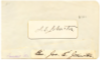
Signed Gilt-Edged Card, 1 ¼” x 3 ½”, “J.E. Johnston.” Affixed to a 4” x 6 ¾” album page, with the violet-ink notation, “January/[18]82” in another hand at lower left. An unrelated clipping in an unidentified hand and from a larger document or letter is affixed at lower right.
Excellent.
KEARNY, PHILIP, JR. (1815-62) Union Major General; Killed-in-Action at the Battle of Chantilly, Virginia – September 1, 1862; Veteran of the Mexican War

Mexican War-Date Signature & Rank
Signature & Rank, “P. Kearny, Jr., L[ieutenan]t 1st Dr[agoon]s Com[man]d[ing]…” on a 1 ½” x 5” slip of paper; a portion of the document from which Kearny’s signature was removed is included, and bears the manuscript heading, in an unknown hand, “Date. 31st December 1846. Station. Saltillo, (Mexico).”
Minor wear and staining, with two pinholes at the left edge of the dated slip of paper.
KEMPER, JAMES LAWSON (1823-95) Confederate Major General; Severely wounded in Pickett’s Charge at Gettysburg – July 3, 1863; Governor of Virginia – 1874-78; Veteran of the Mexican War
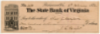
Document Signed, Richmond, Virginia, February 6, 1886, “J.L. Kemper,” a partly printed 2 ½” x 8” check, also accomplished by Kemper, payable to “Cha[rle]s J. Kemper,” thus incorporating a second partial signature; drawn on The State Bank of Virginia for one hundred dollars. The reverse is endorsed by Charles J. Kemper.
Very good overall, with light vertical fold creases; minimal loss of paper from barely noticeable cross-cut and punch cancellations which intersect Kemper’s signature.
LAMAR, LUCIUS QUINTUS CINCINNATUS (1825-93) U.S. Supreme Court Associate Justice – 1888-93; U.S. Interior Secretary – 1885-88; Confederate Lieutenant Colonel & Diplomat; U.S. Senator – Mississippi – 1877-85
-100.png)
-100.png)
Signature, “L.Q.C. Lamar,” with the notation “Sec[retary] of Interior” in an unknown hand, on the reverse of his engraved 1 ¾” x 3 ½” personal calling card.
Excellent, with light, even toning and a few superficial stains.
LAW, EVANDER McIVER (1836-1920) Confederate Major General – Alabama; Severely wounded at First Bull Run, subsequently served with distinction at Gettysburg and Chickamauga
-100.png)
Autograph Document Signed, 5 ¾” x 7 ¾”, Law’s handwritten requisition, rations for the officers and state troops under his command at Pensacola, Florida, many undoubtedly soon to be mustered into the 4th Alabama Infantry in the service of the Confederacy.
"Barrancas Barrack [Florida], Feb[ruary] 15, 1861… E.M. Law, Capt[ai]n, A[labama] Z[ouaves].”
Several ink stains throughout, with a pinhole at the upper edge; irregularly torn lower edge; horizontal fold at center.
LEE, FITZHUGH (1835-1905) Confederate Major General; Governor of Virginia – 1886-90; U.S. Major General of Volunteers – Spanish-American War
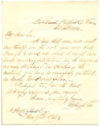
Autograph Letter Signed, 7 ¼” x 9 ¼”, thanking one “J.H. Coghill, Esq[uire], New York City,” for the gift of a book.
“Richland, Stafford Co[unty], V[irgini]a,
Feb[ruary] 10, 1880.
My dear Sir,
I beg that you will accept my thanks for the book you were kind enough to send me, and I must also tender my congratulations for the excellent manner displayed in grouping the material, you have so carefully gathered, in such handsome form.
Grateful too, for the Kind feelings expressed for myself,
I am very truly yours,
Fitzhugh Lee.”
Lightly and evenly toned, with the expected folds; tipped to slightly larger backing at the edges.
LEE, ROBERT EDWARD (1807-70) Confederate General & Commander of the Army of Northern Virginia
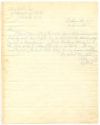
Autograph Letter Signed, 7 ¾” x 10 ¾”, one page. As Post Engineer at Fort Hamilton, situated at the mouth of New York Harbor in Brooklyn, Lee writes to a materials supplier, ordering hydraulic cement, commonly used to construct and repair stone and cement structures, even underwater. While serving as post engineer at Fort Hamilton, 1841-46, Lee is credited with the design and construction of several New York-area fortifications, notably Fort Richmond, Fort Tompkins, and the forts at Willetts Point and Sandy Hook.
“Henry Wilde, Esq[uir]e,
Sec[retar]y Newark L, & C, Ms. Co.,
Fort Hamilton, N[ew[ Y[ork],
11 April 1843.
Sir,
I have rec[eive]d your letter of the 18 Ult[im]o, offering to furnish me with fresh hydraulic Cement @ $1.25/100 per cask of 300 lbs., deducting 12 ½ c[ents] per cask for those returned. I will thank you to send me to this place 50 Casks with as little delay as practicable. The cement must be fresh, & the Casks light & strong. You may also send 10 Casks of Lime.
Very respectf[ull]y Your Ob[edien]t Serv[an]t,
R.E Lee,
Capt[ain] Eng[ineer]s.”
Lightly and evenly toned, with minor soiling and wear and the expected folds; the integral leaf, addressed in another hand, is bound by a paper strip at the left edge, and has a small hole well beneath the address from the opening of a no-longer-present wax seal.
LEE, ROBERT EDWARD (1807-70) Confederate General & Commander of the Army of Northern Virginia
As Superintendent of the U.S. Military Academy at West Point
LEE, ROBERT EDWARD (1807-70) Confederate General & Commander of the Army of Northern Virginia
GARNETT, ROBERT SELDEN (1819-61) Confederate Brigadier General; Killed-in-Action at the Battle of Corrick’s Ford, Virginia, July 13, 1861 - the first general officer to be killed during the American Civil War; Veteran of the Mexican & Seminole Wars
TOTTEN, JOSEPH GILBERT (1788-1864) Union Brigadier General during the American Civil War; Veteran of the War of 1812 & the Mexican War
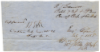
Endorsement Signed, as Superintendent of the U.S. Military Academy at West Point, “Approved, R.E. Lee, Captain Corps Eng[ineer]s & B[revet] Col[onel, Sup[erintenden]t M[ilitary] A[cademy],” on a 3 ½” x 7” portion of a letter from Robert S. Garnett, whose signature and rank are at upper right: “R.S. Garnett, Capt[ain] 7th Inf[antry] & B[revet] Maj[or], Com[mandant] of Corps of Cadets.” Also endorsed by longtime U.S. Army Officer Joseph Totten beneath, “Eng[inee]r Department, July 7, 1853. Approved, Jos. G. Totten.”
Several light creases and a few minor stains detract very little.
LEE, ROBERT EDWARD (1807-70) Confederate General & Commander of the Army of Northern Virginia
-100.png)
-100.png)
Autograph Document Signed, 8” x 10”, Fort Hamilton, New York, June 2, 1846, “R.E. Lee, Capt[ain] Eng[inee]rs,” a partly printed requisition for supplies sold to the U.S. Army for use at the installation. The hardware being purchased is enumerated in Lee’s hand on the front, as is a three-line docket beneath his signature on the reverse. While serving as post engineer at Fort Hamilton, 1841-46, Lee is credited with the design and construction of several New York-area fortifications, notably Fort Richmond, Fort Tompkins, and the forts at Willetts Point and Sandy Hook.
Seldom seen in its entire form, as Lee’s signature and four lines of print preceding it are often excised and sold as a smaller document. Lightly and evenly toned, with two horizontal folds, several minor stains and paper breaks.
LOGAN, JOHN ALEXANDER (1826-86) Union Major General; U.S. Senator & Congressman – Illinois; Credited with the founding of Memorial Day; Veteran of the Mexican War
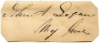
Signature & Rank, “John A. Logan, Maj[or] Gen[era]l,” on a 1” x 2 ½” slip of paper. Affixed to backing from a period newspaper.
Evenly toned, with minor staining; diagonally clipped at the corners.
LOGAN, THOMAS MULDRUP (1840-1914) Confederate Brigadier General – South Carolina; The youngest general officer in the Confederate Army
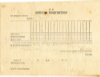
A Requisition for Hampton’s Legion
Civil War-Date Document Signed, 8” x 11”, Petersburg, Virginia, August 31, 1863, “Approved, T.M. Logan, L[ieutenan]t Col[on el] Com[man]d[in]g Reg[imen]t,” a partly printed requisition “For Quartermaster’s Stores for Hampton Legion, Stationed at Petersburg, V[irgini]a.”
On the brown “necessity paper” commonly used by the Confederate Army at the time, with several minor stains throughout; small tears and chips at the right edges. While manuscript portions are somewhat light, Logan’s endorsement, at left center, is quite legible.
LONGSTREET, JAMES (1821-1904) Confederate Lieutenant General – South Carolina
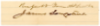
Signature, with sentiment, “Respect[full]y Your Ob[edien]t Serv[an]t,” on a 1 ½” x 5 ½” slip of lined paper, possibly removed from a letter.
Lightly and evenly toned, with a vertical fold at mid left.
LONGSTREET, JAMES (1821-1904) Confederate Lieutenant General – South Carolina
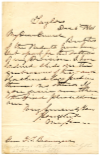
War-Date Autograph Letter Signed – to Confederate General P.G.T. Beauregard
Autograph Letter Signed, on a 5” x 8” folded lettersheet, with exceptional early-war content, to General P.G.T. Beauregard, commander of the Confederate Army at Manassas, Virginia. As newly commissioned major general, Longstreet informs and seeks Beauregard’s direction in the placement of “blackened logs,” commonly referred to as “Quaker Guns” at the time, designed to deceive the Union Army into believing that they faced the heavy artillery of a well-equipped foe on the banks of the Potomac.
“Taylors, Dec[ember] 6th 1861. My Dear General, But two of the Redoubts have been set apart for the batteries of my Division. I have ordered sheds over the embrasures of these and blackened logs put in there; no others. If you desire me to have others fixed please advise me. Very Sincerely Yours, J. Longstreet. [to] Gen[eral] G.T. Beauregard.”
Beauregard makes initialed notation, in pencil, at the bottom edge:
“Ans[wer]. Arrange all to be garrisoned by the 2nd Division. G.T.B.”
__________________________________________________________________________________________________________________
LYON, NATHANIEL (1818-61) Union Brigadier General; Killed-in-Action at the Battle of Wilson’s Creek, Missouri - August 10, 1861; Veteran of the Seminole & Mexican Wars
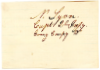
Signature, with the rank held from June 11, 1851 through the outbreak of the American Civil War, “N. Lyon, Capt[ain], 2nd Inf[antr]y, Com[mandin]g Comp[an]y ‘B’”, on a 3” x 4 ¼” slip of lined paper.
Lightly and evenly toned, with a few superficial stains; old mounting traces on the reverse.
MANSFIELD, JOSEPH KING FENNO (1803-62) Union Major General – Connecticut; Mortally wounded at the Battle of Antietam – September 18, 1862; Veteran of the Mexican War
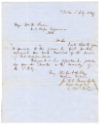
Autograph Letter Signed, 8” x 10”, requesting a cask of wine be sent to Fort Independence, Massachusetts.
“Boston, 5th July, 1849. Major Wm. D. Fraser, U.S. Corps Engineers, N[ew] Y[ork]. D[ea]r Sir, I will thank you to forward to this place by first packet convenient one cask Gaudron for the service of Fort Independence. Gaugeret & his Assistant joined me from St.[?] Newton on the morning of the 3rd July. Very Respectfully, Your Ob[edien]t Jos. K.F. Mansfield, Capt[ain]…& B[re]v[e]t Col[onel].’’
Overall condition is very good, with heavier wear and toning at the usual vertical and horizontal folds.
MARTIN, WILLIAM THOMPSON (1823-1910) Confederate Major General; Post-war President of the Natchez, Jackson, and Columbus Railroad
Signed Card, 1 ¾” x 3 ½”, with Confederate rank, “Will T. Martin, Maj[or] Gen[era]l Cav[alry], Wheeler’s Corps, C.S.A.”
Lightly toned, with minor staining and a few surface abrasions and indentations; old mounting remnants on the reverse and minor bumping at the corners.
MAURY, DABNEY HERNDON (1822-1900) Confederate Major General; Veteran of the Mexican War
-100.png)
Civil War-Date Endorsement Signed
Endorsement Signed, on a 3” x 3” slip of lined paper, removed from a larger Confederate document.
“H[ea]d Qu[arte]rs Maury’s Div[ision] A[rmy of the] West, Camp Rogers, Octo[ber] 28th 1862. Respectfully forwarded, D.H. Maury, Brig[adier] Gen[era]l Comm[an]d[in]g.”
Lightly and evenly toned, with minor staining.
McCLELLAN, GEORGE BRINTON (1826-85) Union Major General during the American Civil War; Led the Union Army of the Potomac during the battles of the Peninsula Campaign & Antietam; U.S. Presidential Candidate – 1864; Governor of New Jersey – 1878-81
Civil War-Date Signature
Signature, with sentiment and Civil War date, “very truly yours, Geo[rge] B. McClellan, Jan[uary] 16, 1865,” on a 2” x 4 ½” slip of embossed paper. Affixed to heavier backing of the same dimension.
Lightly and evenly toned, with scattered glue staining.
McCLELLAN, MARY ELLEN MARCY (1836-1915) Wife of Union General & New Jersey Governor George Brinton McClellan; Daughter of U.S. Army Officer Randolph B. Marcy
-100.png)
-100.png)
Autograph Letter Signed, 4 ½” x 7”, two pages on the first and third leaves of a folded lettersheet. On black-bordered mourning stationery, Mrs. McClellan responds to a request for her husband’s autograph, probably just months after his death on October 29, 1885.
“32 Washington Square, Jan[uar]y 20th. Wm. H Jones, Esq[uire]. Dear Sir, Mr. Curtis writes me that you would like an autograph of General McClellan to put in Mr. Curtis’ little book. I have no note or letter that I can [s]end, but I enclose his signature which I have cut from a check. Yours truly, Ellen M. McClellan.”
Lightly and evenly toned, with a horizontal fold at the center; there are a few minor chips to the black border, and a diagonal horizontal fold transverses the lower portion of both pages.
McCOOK, DANIEL, JR. (1832-64) Union Brigadier General; Colonel of the 52nd Ohio Infantry; Mortally wounded at the Battle of Kennesaw Mountain – June 27, 1864
-100.png)
Civil War-Date Document Signed
Document Signed, 8” x 10”, “Approved, Danl. McCook, Co[lone]l Com[man]d[in]g Brigade,” a requisition for service to the Quartermaster’s Department of the 52nd Ohio Infantry, August 30 to November 18, 1862.
Lightly and evenly toned, with heavier staining along two horizontal folds; water staining at the left and the center fold, well away from McCook’s endorsement.
McCOOK, DANIEL, JR. (1832-64) Union Brigadier General; Colonel of the 52nd Ohio Infantry; Mortally wounded at the Battle of Kennesaw Mountain – June 27, 1864
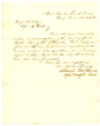
Civil War-Date Letter Signed
Letter Signed, 7 ¾” x 9 ¾”, an early-ear communication regarding supplies needed for the Seventh Brigade, under General James Negley.
“Head Quarters Second Division, Camp Wood [Kentucky], Dec[ember] 16, 1861.
Capt[ain] J.F. Boyd
As[sistan]t Q[uarte]r Master.
Sir,
I have the honor herewith to enclose, a memorandum of the wants of the Q[uarte]r Masters Dep[artmen]t of the 7th Brigade. Gen[era]l Negley informs me he has, made several requisitions for the articles, without obtaining them. You will please ereport to these Head Quarters why the articles have not been furnished.
I am Sir, very respectfully,
Your Obedient Servant,
Danl. McCook
As[sistan]t Adj[utan]t Gen[era]l.”
Lightly and evenly toned, with two horizontal folds, several light surface creases, and a few old paper and hinge remnants on the reverse.
McKINSTRY, JUSTUS (1814-97) Union Brigadier General; Early-war Provost Marshal in St. Louis, Missouri; Dismissed from the service after conviction for graft, corruption, and fraud; Veteran of the Mexican & Seminole Wars
-100.png)
-100.png)
Document Signed, 4 ¾” x 7 ½”, St. Louis Missouri, September 4, 1861, “J. McKinstry,” accomplished in another hand, a partly printed pass for a “Mrs. Sarah McIntyre to pass beyond the limits of the City and County of St. Louis, to go to Ohio.”
A rare autograph on an interesting, seldom-seen form, this being the first McKinstry piece we have encountered. Moderate toning throughout, with several stains; heavier wear and soiling along two vertical folds, with negligible separation at the edges.
McLAWS, LAFAYETTE (1821-97) Confederate Major General – Georgia; Veteran of the Mexican & Utah Wars
Signature, with closing and rank, “Respectfully, L. McLaws, 2nd Lieut[enant] 7th Inf[antry]” on a 1” x 3 ¼” slip of paper removed from a Mexican War-era letter; affixed to a larger, heavier card. McLaws held the rank of Second Lieutenant in the Seventh U.S. Infantry from March 16, 1844 until February 16, 1847.
Moderately toned, with minor staining and soiling; closely clipped at the upper edge.
MOORE, ANDREW BARRY (1807-73) Governor of Alabama – 1857-61; Alabama State Representative – 1842-45; Speaker of the Alabama House of Representatives – 1843-45
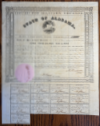
War-Date Confederate Bond
Document Signed, 14” x 17”, April 1, 1861, “A.B. Moore,” a partly printed $1000 bond “ISSUED FOR MILITARY DEFENSE” of the state of Alabama, serial number 314. Countersigned by State Comptroller W.J. Greene, with a pink embossed seal at the lower left. Thirteen of the original coupons remain attached at the bottom. Supporting material states that this issue is given the highest rarity rating of “R11” by Confederate Bond Authority Grover C. Criswell.
Lightly toned, with tiny holes at the intersections of the expected folds and a few small tears at the edges.
MORGAN, JAMES DADA (1810-96) Union Brigadier General; Early-war Colonel of the 10th Illinois Infantry; Veteran of the Illinois Mormon War & the Mexican War
Civil War-Date Document - Pay for a 101st Indiana Infantry soldier who died one week later.
Document Signed, 8 ¼” x 10”, Nashville, Tennessee, May 30, 1863, “James D. Morgan, Brig[adier] Gen[era]l Commanding Post,” a partly printed “Certificate to be Given to Discharged Volunteers to Enable them to draw their Pay” for Merrill Ransey (possibly Ramsey), a private in the 101st Indiana Volunteer Infantry. Further described, “Disease contracted prior to enlistment,” Private Ransey died in Nashville on June 8, 1863, just one week later.
Lightly and evenly toned, with scattered staining; somewhat heavier wear at two horizontal folds.
MORGAN, JAMES DADA (1810-96) Union Brigadier General; Early-war Colonel of the 10th Illinois Infantry; Veteran of the Illinois Mormon War & the Mexican War
Civil War-Date Document Signed
Document Signed, 7 ¾” x 9 ½”, Chattanooga, Tennessee, December 24, 1863, “James D. Morgan, Brig[adier] Gen[era]l Com[man]d[ing],” a partly printed requisition for corn, in the amount of $35.00.
Lightly and evenly toned, with scattered staining, two horizontal folds, and a few small tears at the edges.
PARKER, ELY SAMUEL (1828-95) Union Brevet Brigadier General; Seneca Indian; Friend, Aide, and Military Secretary to Ulysses S. Grant; Transcribed the official Confederate surrender documents at Appomattox; U.S. Commissioner of Indian Affairs – 1869-71
Civil War-Date Autograph Document Signed – Rations for Grant’s teamsters before the Battle of the Wilderness
Autograph Document Signed, 6 ¾” x 11”, partly printed, Culpeper, Virginia, May 2, 1864, “By command of Lieu[tenan]t Gen[era]l Grant, E.S. Parker, Ass[istan]t Adj[tan]t Gen[era]l.” Just three days before the Overland Campaign commenced at the Battle of the Wilderness, Parker, as General Grant’s adjutant, approves rations for thirteen men employed as teamsters in the Quartermasters Department of Grant’s Headquarters. With the exception of the signature of Captain Henry Warner Janes, formerly of the 55th Illinois Infantry, at lower right, remaining manuscript portions of the document are also in Parker’s hand.
Overall condition is very good, with heavier toning and minor staining at three vertical folds.
POPE, JOHN (1822-92) Union Major General; Led the Union Army of the Potomac at the Battle of Second Bull Run
-100.png)
-100.png)
Civil War-Date Autograph Letter Signed
POPE, JOHN (1822-92) Union Major General; Led the Union Army of the Potomac at the Battle of Second Bull Run
KIRKWOOD, SAMUEL JORDAN (1813-94) U.S. Secretary of the Interior – 1881-82; Governor of Iowa – 1860-64 & 1876-77; U.S. Senator – Iowa – 1866-67 & 1877-81
Autograph Letter Signed, 8” x 9 ¾”. Transferred to the Department of the Northwest, Pope requests the appointment of a staff officer from Iowa Governor Samuel J. Kirkwood.
“Milwaukee [Wisconsin], April 20/[18]63.
My dear Sir,
I am desirous of placing on my Staff Mr. Wm. C. Perkins, the son of an old friend. He has served throughout the present hostilities and is a young man eminently worthy.
I am not able however to give him such a place unless he can get the app[ointment]t of Lieut[enant] in some regiment.
May I ask you to give him an appointment as 1st Lieut[enant] in some one of the Iowa regiments.
If you can do so you will confer a great personal favor upon me which I shall be at all times glad to acknowledge.
If you can accede to my request, please send his appointment enclosed to me.
I am very Dear Sir very respectfully
Your Serv[an]t
Jno. Pope,
Maj[or] Gen[era]l U.S.A.
Hon[orable] S[amuel] J. Kirkwood
Gov[ernor] of Iowa
Iowa City.”
The reverse bears two initialed notations of Governor Kirkwood, “Adj[utan]t Gen[era]l Baker, I wish very much to gratify Gen[eral] Pope. Can you arrange it in some way? S.J.K.”; “Wrote him. S.J.K.,” along with a signed, handwritten endorsement from the adjutant general.
Overall condition is very good, with heavier wear and toning at the usual vertical and horizontal folds.
POWELL, WILLIAM HENRY (1822-1904) Union Brigadier General; Colonel of the 2nd West Virginia Cavalry; Awarded the Congressional Medal of Honor for action at Sinking Creek Valley, Virginia – November 26, 1862
Civil War-Date Autograph Letter Signed – from the Department of West Virginia
Autograph Letter Signed, 5 ½” x 7 ½”, responding to an autograph request from a noted Civil War-era collector.
“Head Q[uarte]rs 2nd Cav[alry] Div[ision] D[epartment] [of] W[est] V[irginia]. Front Royal, V[irgini]a, Nov[ember] 3rd 1864. Mr. C.L. Pascal, Philadelphia, P[ennsylvani]a. Sir, Your request bearing date Oct[ober] 22nd reached me this morning. Your request is hereby granted. I am dear Sir, Yours Respectfully, W.H. Powell, B[rigadier] G[eneral.”
Lightly and evenly toned; affixed to old heavier backing.
PRICE, STERLING (1809-67) Confederate Major General; Governor of Missouri – 1853-57; U.S. Representative – Missouri – 1845-46; Veteran of the Mexican & Missouri Mormon Wars
 9164-100.png)
 9164-100.png)
 9164-100.png)
PRICE, STERLING (1809-67) Confederate Major General; Governor of Missouri – 1853-57; U.S. Representative – Missouri – 1845-46; Veteran of the Mexican & Missouri Mormon Wars
MILLER, MADISON (1811-96) Union Brevet Brigadier General; Colonel of the 18th Missouri Union Infantry; Late-war Brigadier General in the Missouri State Militia; President of the St. Louis & Iron Mountian Railroad Company
Document Signed, 9 ¼” x 11 ¼”, Jefferson City, Missouri, October 27, 1856, “Sterling Price,” as Missouri Governor, a partly printed $1000 bond of the Saint Louis & Iron Mountain Railroad. Countersigned below by Missouri Secretary of State Benjamin Franklin Massey, along with Railroad President Madison Miller, future Brevet Brigadier General in the Union Army, on the reverse.
Significant trimming of the ornate original borders also affects the printed text on the reverse; some separation at the expected fold creases, with negligible loss of paper; all signatures are unaffected by cancellation holes and chipping at the edges.
PRICE, STERLING (1809-67) Confederate Major General; Governor of Missouri – 1853-57; U.S. Representative – Missouri – 1845-46; Veteran of the Mexican & Missouri Mormon Wars
Civil War-Date Letter Signed – preparing for the Battle of Iuka
Letter Signed, 8 ½” x 10 ½”, to “Hon[orable] Jno. J. Pettus, Governor of Mississippi,” informing Pettus of the disposition of troops sent to reinforce the militia shortly before the Battle of Iuka, Mississippi, September 19, 1862, resulting in Price’s defeat by Union General Wiliam S. Rosecrans. Docketed on the reverse, presumably by Governor Pettus: “Gen[eral] Price writes in regard to his order to supply Militia & transmit copy of said order.”
“H[ea]d Q[uarte]rs Dist[rict] of the Tennessee
Tupelo [Mississippi], September 5, 1862
Governor,
I have the honor to acknowledge the receipt of your letter of the 1st inst[ant]; delivered to me by Brig[adier] Gen[eral] Harris, & to say that I have issued the necessary orders for the supply of the Militia that have been reported to me, with subsistence, Camp & Garrison equipage, Arms & ammunition.
A copy of these orders are enclosed for your information. Again thanking your Excellency for Your prompt attention to my request.
I am very respectfully,
Your ob[e]d[ien]t S[er]v[an]t,
Sterling Price
Maj[or] Gen[era]l
Com[mandin]g Dist[rict] of the Tennessee.”
Sound overall, with two horizontal folds; smearing of ink at the conclusion; text is unaffected by age spotting at the edges.
RANDALL, JAMES RYDER (1839-1908) Pro-Southern Poet & Journalist; Author of “Maryland, My Maryland,” thus known as the “Poet Laureate of the Lost Cause”
Signed Card, 3” x 4 ¾”, dated and inscribed, “James R. Randall, Augusta, G[eorgi]a. March 21, 1891. For Miss Louise Parkinson.”
Lightly and evenly toned, with several minor stains; bumping at the upper left corner; old mounting remnants on the reverse.
RANDOLPH, GEORGE WYTHE (1818-67) Confederate Brigadier General; Confederate Secretary of War- 1862
-100.png)
-100.png)
-100.png)
Civil War-Date Document Signed
Document Signed, an 8” x 10” folded four-page letter sheet, Richmond, Virginia, March 24, 1862, Geo. W. Randolph,” to “O. Sibley, Jr., Esq[uire], 3[r]d Ala[bama] Reg[imen]t, Care G.T. Lathrop, Engineer Bureau.” On an official, imprinted Confederate form, Randolph forwards an important printed Circular from previous War Secretary Judah P. Benjamin, included on the subsequent pages, detailing the provisions for the enlistment of volunteers. A further notation beneath is initialed “G.W.B.” The upper left corners of both leaves bear circular embossing with Virginia’s “SIC SEMPER TYRANNIS” motto.
Overall condition is very good, with light, even toning and two horizontal folds; minor smearing of ink at the conclusion of Randolph’s signature.
RAWLINS, JOHN AARON (1831-69) Union Brigadier General - Illinois; U.S. Secretary of War – 1869
Civil War-Date Document Signed - General Grant banishes Prostitutes from the District of West Tennessee
Document Signed, 7 ¾” x 10”, a manuscript special order, signed by Rawlins as assistant adjutant general on behalf of Major General Ulysses S. Grant. The order explicitly bans the unauthorized travel of women from northern rail points to the army’s encampments, along with their presence in camp.
“Head Quarters District of West Tennessee.
Corinth, Miss[issippi], July 20th 1862.
Special Order
No. 139.
No females will be allowed to leave Columbus, Kentucky, or any intermediate railway Station by Railroad, to join any part of the Army of this District without a special written permit from Department Head Quarters or these Head Quarters. All females from abroad remaining within Camp lines after the 31st instant, not having such permits, shall be arrested and sent out of the District. Division, Brigade, Port, Regimental, and Company Commanders will see to the faithful execution of this order throughout their respective Commands.
By Command of Maj[or] Gen[eral] U.S. Grant.
Jno. A. Rawlins,
Ass[istan]t Adj[uta]nt Gen[era]l.
As early-war offensives made inroads into Confederate territory, both east and west, the occupying Union Army was inevitably followed by another, consisting of profiteers and opportunists of all types, including prostitutes. By this order, Grant intends to thwart the proliferation of prostitution among army personnel in the newly occupied regions of Tennessee, northern Mississippi, and Alabama, secured by the recent Union victory at the Battle of Shiloh.
Excellent, with light, even toning and two horizontal folds.
RAWLINS, JOHN AARON (1831-69) Union Brigadier General; Close friend, confidant, and staff officer to General Ulysses S. Grant; U.S. Secretary of War - 1869
Signed Card, 2 ½” x 4”, March 22, 1869, Washington, D.C., “John A. Rawlins,” as U.S. Secretary of War. The recipient’s name, date, just nine days after he assumed office as secretary or war, and Rawlins’s title are accomplished in an unidentified clerical hand.
Excellent overall, with old mounting remnants on the reverse.
REYNOLDS, JOHN FULTON (1820-63) Union Major General – Pennsylvania; Killed-in-Action at the Battle of Gettysburg – July 1, 1863; Veteran of the Mexican War
Civil War-Date Autograph
Signature & Rank, “John F. Reynolds, Brig[adier] Gen[era]l Vol[unteer]s,” on a 1” x 3” portion of a larger document, dated “1862” in an unidentified hand at lower left.
An excellent early-war example, with the rank Reynolds held from August 20, 1861 until promotion to major general, effective November 29, 1862.
ROBERTS, BENJAMIN STONE (1810-75) Union Brigadier General; Veteran of the Mexican War
Signature & Rank, “B.S. Roberts, B[reve]t Brig[adie]r Gen[era]l U.S.A.,” on a 1 ½” x 4 ¾” slip of paper.
Excellent.
RUSK, JEREMIAH McLAIN (1830-93) Union Brevet Brigadier General; Lieutenant Colonel of the 25th Wisconsin Infantry; Governor of Wisconsin – 1882-89; U.S. Agriculture Secretary – 1889-93; U.S. Representative – Wisconsin – 1871-77
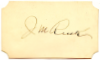
Signed Card, 2” x 3 ½”, “J.M. Rusk,” with bevelled edges and rounded corners.
Excellent, with light, even toning; old mounting remnants on the reverse.
SCATES, WALTER BENNETT (1808-86) Union Brevet Brigadier General; Attorney General of the State of Illinois – 1836-37; Served as Chief Justice of the Illinois Supreme Court – 1855; Collector of Customs for the Port of Chicago – 1866-69
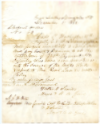
Civil War “Special Order,” directing a 13th U.S. Army Officer, mortally wounded at Vicksburg six months later, to report to Camp Butler
Document Signed, 8” x 10”, a manuscript special order, signed twice by Scates at the conclusion, directing 13th U.S. Infantry Captain Edward Crawford Washington, mortally wounded in the May 19, 1863 assault on Vicksburg, Mississippi, to report immediately to Camp Butler, near Springfield, Illinois, to enlist and pay bounty to the newly formed 128th Illinois Infantry.
“Head Quarters Springfield, Ill[inois], December 1, 1862. Special orders No. 63. Capt[ain] C. Washington, 13th Infantry, U.S.A. Disbursing Officer & c. Will proceed immediately to Camp Butler and pay bounty & premium to all the enlisted men of 128th Regiment Ill[inoi]s Infantry who have been mustered into the Service of the United States & report to these Head Quarters without delay. By order of Major General John A. McClernand. Walter B. Scates, Major & A[ssistant] A[djutant] Gen[era]l. L[ieutenan]t G.W. Hill Will furnish Capt. Washington transportation. W.B. Scates, Major & A.A. Genl.”
Exhibits the expected soiling, toning, and wear; water staining and clean separation, with no loss of paper, at the upper of two horizontal folds.
SCHENCK, ROBERT CUMMING (1809-90) Union Major General; U.S. Representative – Ohio – 1843-51 & 1863-71
Franking Signature, as a post-war U.S. Representative from Ohio, “Robt. C. Schenck, M[ember] C[ongress],” on a 1 ½” x 5 ¼” portion of an envelope, with portions of the recipient’s address in Schenck’s hand beneath and a Washington, D.C. postmark at left.
Irregularly torn at the lower and left edges.
SCHENCK, ROBERT CUMMING (1809-90) Union Major General; U.S. Representative – Ohio – 1843-51 & 1863-71
Signature, as U.S. Representative, “Robt. C. Schenck, Ohio,” on a 5 ¾” x 8 ¾” portion of an album page.
Excellent.
SEDDON, JAMES ALEXANDER (1815-80) Confederate Secretary of War – 1862-65; U.S. Representative – Virginia – 1845-47 & 1849-51
Appointing an Officer in the 61st Virginia Infantry
Civil War-Date Document Signed, on imprinted 8” x 10” Confederate War Department stationery, Richmond, Virginia, May 12, 1864, “James A. Seddon,” a partly printed appointment for William Henry Stewart to the rank of Lieutenant Colonel in the 61st Virginia Infantry. The unit was heavily engaged at the Civil War battles of Chancellorsville, Spotsylvania Court House, and Cold Harbor, Stewart being wounded at all three.
Lightly and evenly toned, with scattered stains and several chips at the corners and edges; there is a water stain at the lower left, well away from Seddon’s signature, and clean separation at two horizontal folds has been reinforced with archival tape on the reverse.
SHARP, JACOB HUNTER (1816-78) Confederate Brigadier General; Saw action at the Civil War Battles of Shiloh, Stone’s River, Chickamauga, Missionary Ridge, Franklin, and Nashville; Speaker of the Mississippi State House of Representative – 1886-88
Civil War-Date Autograph Endorsement Signed
Autograph Endorsement Signed, on a 1 ¼” x 3” portion of a larger document, “H[ea]d Q[uarte]rs Anderson’s Brigade, Oct[ober] 11th 1863. Resp[ectfull]y forwarded Approved, J.H. Sharp, Col[onel] & c.”
Light wear, with a few light folds and pinholes. A rare autograph, this being only the second that we have offered for sale in the past thirty years.
SHERIDAN, PHILIP HENRY (1831-88) Union Major General; Veteran of the Indian Wars; U.S. Army General – 1888; Commander-in-Chief of the U.S. Army – 1883-88
Signed Card, 2” x 3 ¼”, with rank, “P.H. Sheridan, L[ieutenan]t General, U.S.A.”
Excellent, with light, even toning and several small areas of very minor bleeding of ink.
SHERRILL, ELIAKIM (1813-63) Union Colonel - 126th New York Infantry; Led a brigade in the Army of the Potomac; Mortally wounded during Pickett’s Charge at the Battle of Gettysburg – July 3, 1863; U.S. Representative – New York – 1847-49
Signature, as U.S. Representative from New York, “E. Sherrill, Shandaken, N. York,” on a 2 ¾” x 5” portion of an album page.
Lightly and evenly toned; somewhat closely trimmed at the upper edge.
SMITH, CALEB BLOOD (1808-64) U.S. Interior Secretary – 1861-63 – Appointed by President Abraham Lincoln; U.S. Representative – Indiana - 1843-49

Civil War-Date Letter Signed – a resident seeks a pass to visit family in the Confederate town just two weeks before the Battle of Fredericksburg, Virginia – December 11-15, 1862
Letter Signed, 7 ¾” x 9 ¾”, as Civil War Interior Secretary in the cabinet of Abraham Lincoln. Addressing army Commander-in-Chief Henry Wager Halleck, Smith seeks a pass for “a loyal man” of the town shortly before the pivotal Civil War battle of Fredericksburg, Virginia.
“Dep[artmen]t of the Interior
Wash[ington], Nov[ember] 24, 1862
Sir,
The Bearer Mr. C.B. Cole of Fredericksburg Vir[ginia] desires to visit his family who are residing there. He is a loyal man of that State and you will gratify me very much if you will furnish him with the proper pass.
Very Respectfully,
Your obedient Servant,
Caleb B. Smith
Maj[or] Gen[era]l Halleck
Commander in Chief, & c.”
Excellent, with light, even toning and two horizontal folds.
SMITH, GUSTAVUS WOODSON (1821-96) Confederate Major General; Veteran of the Mexican War
-100.png)
-100.png)
A West Point, New York Postmark
Autograph Letter Signed, 7 ¾” x 9 ¾”. As a young, antebellum U.S. Army officer, Smith communicates regarding the conveyance of funds. Addressed by Smith to a banking company in New Orleans, the integral leaf bears a desirable postmark from West Point, New York, home of the U.S. Military Academy, where Smith was at the time employed as an instructor.
“West Point, N[ew] Y[ork], Dec[ember] 20th 1850.
Messrs. Watts & De Saulles,
Gentlemen,
I received yesterday yours of the 9th Dec[ember], enclosing “original of J. Corning & Co[mpany]’s check on Corning & Co[mpany] New York,” dated Dec[ember] 9th No. 27089 in my favor for five hundred dollars, $500. I will in compliance with your request acknowledge the receipt of the same to M.A. Smith by this days mail.
Very Respectfully Yours,
Gus. W. Smith,
Capt[ain] U.S. Army.”
_________________________
Heavier staining and wear at the edges, with the expected folds and a few chips at the edges; there is significant wrinkling of paper in the lower corners and edges, all well away from the text of the letter.
SMITH, MORGAN LEWIS (1822-74) Union Brigadier General; Early-war Colonel of the 8th Missouri Infantry
Signature & Rank, “M.L. Smith, Brig[adier] Gen[era]l Vol[unteers],” on a ¾” x 2 ¼” slip of paper, probably removed from a war-date document. Affixed to slightly larger backing.
General soiling, staining, and wear.
STEPHENS, ALEXANDER HAMILTON (1812-83) Confederate Vice President; U.S. Congressman – Georgia – 1843-59 & 1873-82; Governor of Georgia – 1882-83
-100.png)
-100.png)
Franked Envelope, 3” x 5 ¼”, “Free, Alexander H. Stephens, M[ember] C[ongress],” also addressed by Stephens, to “John L. Stephens, La Grange, G[eorgi]a,” a recurring correspondent. Stephens was frail and frequently ill, even as a young man, this atypical signature being an obvious example from one of his unsteady periods.
General soiling and wear, with numerous small tears and breaks at the edges.
STOKES, WILLIAM BRICKLY (1814-97) Union Brevet Brigadier General; Colonel of the 5th Tennessee Cavalry; U.S. Representative – Tennessee – 1859-61 & 1866-71
Signature, as post-war U.S. Representative, “W.B. Stokes, Alexandria Tenn[essee],” on a 3” x 5” portion of an album page.
Lightly and evenly toned, with old binding traces at the left.
STOUGHTON, WILLIAM LEWIS (1827-88) Union Brevet Major General; Colonel of the 11th Michigan Infantry; U.S Representative – Michigan – 1869-73

Signature, as U.S. Representative, “Wm. L. Stoughton, M[ember] C[ongress],” on a 1 ¼” x 3 ¾” lightly and evenly toned portion of an album page.
STUART, JAMES EWELL BROWN “Jeb” (1833-1864) Confederate Major General - Virginia; Mortally wounded at the Battle of Yellow Tavern, Virginia – May 11, 1864
 9167-100.png)
 9167-100.png)
Civil War-Date
Signed Postal Cover, 3 ¼” x 5 ¼”, homemade from a printed 1862 Confederate military document, addressed to his wife, “Mrs. Flora Stuart, H[ea]d Q[uarte]rs Cav[alry] Div[isio]n, Army N[orthern] V[irgini]a.” Also signed at the upper left corner by Confederate Colonel and Aide-de-Camp Samuel Bassett French.
Front and reverse portions are detached, from heavy wear at the edges; several chips and tears at the edges affect none of the text.
STUART, JAMES EWELL BROWN “Jeb” (1833-1864) Confederate Major General - Virginia; Mortally wounded at the Battle of Yellow Tavern, Virginia – May 11, 1864
-100.png)
-100.png)
From Kansas Territory shortly before the outbreak of the Civil War, Jeb Stuart and two other future generals - Union & Confederate - urge leniency for a deserter.
Autograph Letter Signed, 1 ¼ pages, front and reverse of an 8” x 10” sheet. Addressing the “…Ass[istan]t Adj[utan]t Gen[era]l U.S.A. H[ea]d Q[uarte]rs Dep[artmen]t of the West, St. Louis, Mo.,” Stuart urges clemency in the case of an accused deserter. Interestingly further mentioned are the concurring endorsement of Lieutenant James Deshler, later a Confederate Brigadier General, killed in action at the battle of Chickamauga, Georgia, September 20, 1863, and suspension of a portion of the accused’s sentence by future Union Major General Edward R.S. Canby.
Fort Wise, K[ansas] T[erritory]Nov[embe]r 8th 1860
Sir:
I have the honor to apply for the remission of so much of P[ri]v[a]t[e] Jno. Harrington’s (Co[mpany] H 10th Inf[antr]y) sentence as relates to confinement and stoppage of pay the remission to take effect the 20th of Oct[obe]r – the date of the arrival of his company at this post.
P[ri]v[a]t[e] H is now undergoing sentence of a Gen[eral] C[our]t Martial at Camp Floyd U.S. (see G[eneral] O[rder] No. 8 H[ea]d Q[uarte]rs Dep[artmen]t of U.S. dated Apr[il] 20th 1859). His conduct during the march from Utah to Fort Garland N[ew] M[exico] was so exemplary that the com[man]d[in]g officer (Col[onel] [Edward R.S.] Canby) suspended so much of his sentence as related to confinement until further orders. His conduct since arriving at this post has been particularly good and I am the more convinced of this being a case deserving the clemency of the Dep[artmen]t Commander by the high character given him by his late comp[an]y Commander (Lieut[enant] Deshler) who seconds very warmly this petition for remission of sentence.
[over]
The sentence awarded is herewith enclosed.
Very Respectfully
Your Ob[edien]t s[er]v[an]t
J.E.B Stuart
1st L[ieutenan]t 1st Cav[alry]
Com[man]d[in]g Co[mpany] H 10th Inf[antr]y
Excellent overall, with light toning and the expected horizontal folds.
THAYER, JOHN MILTON (1820-1906) Union Brigadier General; U.S. Senator – Nebraska – 1867-71; Governor of Wyoming Territory – 1875-78; Governor of Nebraska – 1887-92; Veteran of the 1850s Indian Wars
Signature, “John M. Thayer, Nebraska,” an enormous example as U.S. Senator on a 4 ½” x 7” album page.
Excellent, with light, even toning.
THOMAS, GEORGE HENRY (1816-70) Union Major General during the American Civil War, known as the “Rock of Chickamauga”; Veteran of the Mexican War
Civil War-Date Document Signed, 7 ¾” x 10”, partly printed, “Geo[rge] H. Thomas, Maj[or] Gen[era]l U[nited] S[tates] V[olunteers], Received in the Field the 10[th] of May, 1862…,” a requisition for a tent and tent supplies; countersigned by Captain Oscar Addison Mack of the 13th U.S. Infantry, a New Hampshire native who died on October 22, 1876.
Lightly and evenly toned, with a few scattered stains and the expected horizontal creases.
THOMAS, GEORGE HENRY (1816-70) Union Major General during the American Civil War, known as the “Rock of Chickamauga”; Veteran of the Mexican War
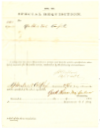
Civil War-Date Document Signed
THOMAS, GEORGE HENRY (1816-70) Union Major General during the American Civil War, known as the “Rock of Chickamauga”; Veteran of the Mexican War
MACKAY, ANDREW JACKSON (1827-1901) Union Brevet Brigadier General; Chief Quartermaster of the Army of the Cumberland
Document Signed, 7 ¾” x 10”, partly printed, April 30, 1863, “Geo[rge] H. Thomas, Maj[or] Gen[era]l U[nited] S[tates] V[olunteers], a requisition for “One Wall Tent Complete.” Countersigned by Chief Quartermaster General Andrew J. Mackay, later brevetted brigadier general for Civil War service, and Captain John Payne Willard, formerly of early-war service in the 31st Wisconsin Infantry.
Lightly and evenly toned, with a few scattered stains and the expected horizontal folds.
USHER, JOHN PALMER (1816-89) U.S. Interior Secretary – 1863-65
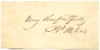
Signature & Sentiment, “Very Respectfully, J.P. Usher,” on a 2 ¼” x 4 ½” slip of paper.
Affixed to backing of the same dimension; light toning and soiling.
USHER, JOHN PALMER (1816-89) U.S. Interior Secretary – 1863-65
Signature, “J.P. Usher,” a frank on a 1 ¾” x 3 ¾” portion of an imprinted envelope as U.S. Interior Secretary.
Light toning and soiling, with several light fold lines.
VANDEVER, WILLIAM (1817-93) Union Brevet Major General; Colonel of the 9th Iowa Volunteer Infantry; U.S. Representative – Iowa – 1859-61; U.S. Representative – California – 1887-91
Signature, “Wm. Vandever, Iowa,” as U.S. Representative, on a 1 ¾” x 4 ¾” portion of an album page.
Lightly and evenly toned.
VON STEINWEHR, ADOLPH WILHELM (1822-77) German-born Union General – New York; Namesake of a major highway through the Gettysburg, Pennsylvania Battlefield
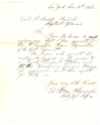
Civil War-Date
Autograph Letter Signed, 7 ¾” x 9 ¾”, as early-war colonel of the 29th New York Volunteer Infantry, informing the New York adjutant general of an appointment.
“New York, June 4th 1861.
Gen[e]r[a]l S. Meredith Read, Jr., Adjutant General.
Sir,
I have the honor to inform you, that I have appointed Mr. Wm. Livingstone Rogers Paymaster of the 29th Regiment.
Mr. Rogers will present two sureties, recognizing in the amount of Twenty Thousand Dollars each, to his Excellency, Governor Morgan, for approval, and then report for duty.
Your very ob[e]d[ien]t Servant,
Col[onel] A. von Steinwehr,
Com[man]d[in]g 29th Reg[imen]t.”
Lightly and evenly toned, with the usual folds and light creases; paper loss at the lower left corner, well away from all text.
WADE, JAMES FRANKLIN (1843-1921) Union Brevet Brigadier General; Colonel of the 6th U.S. Colored Cavalry; Postbellum service commanding the 9th & 10th U.S. Cavalries, “Buffalo Soldiers”; U.S. Major General - Spanish-American War
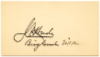
Signed Card, 2 ¼” x 4”, with rank, “J.F.Wade, Brig[adier] Gen[era]l U.S.A.”
Excellent, with light, even toning.
WARREN, FITZ-HENRY (1816-78) Union Brigadier General; Colonel of the 1st Iowa Volunteer Cavalry; U.S. Minister to Guatemala – 1867-69

Signature, “Fitz Henry Warren,” on a 1” x 2 ½” portion of a document as “SECOND ASSISTANT POSTMASTER GENERAL.”
Affixed to larger backing.
WEBSTER, JOSEPH DANA (1811-76) Union Brigadier General; Early-war service as chief of staff for General Ulysses S. Grant; Veteran of the Mexican War
Signature & Rank, “J.D. Webster, B[rigadier] G[eneral],” on a 1” x 3” slip of lined paper.
Lightly and evenly toned, with old hinge remnants on the reverse.
WHEELER, JOSEPH (1836-1906) Confederate Major General; U.S. Army Major General of Volunteers during the Spanish-American War; U.S. Representative – Alabama – 1881-83 & 1885-1900
 9168-100.png)
 9168-100.png)
Document Signed, 7 ¾” x 12 ½”, March 15, 1879, Lawrence County, Alabama, “Jos. Wheeler,” a partly printed legal document; accomplished in a clerical hand and signed by Wheeler beneath.
Moderate toning and wear, with a few small holes along the usual horizontal folds; heavier staining at center; chipping and irregularity at the edges and corners.
WHIPPLE, WILLIAM DENISON (1826-1902) Union Brigadier General during the American Civil War; Staff Officer for Generals George H. Thomas & William Tecumseh Sherman; Veteran of the Yuma & Navajo Wars
-100.png)
-100.png)
Signature & Rank, “William D. Whipple, B[re]v[e]t Maj[or] Gen[eral] U.S. Army,” on a 3 ½” x 5 ¾” album page, with the signature and rank of Union Brevet Brigadier General Joseph Walter Burke on the reverse: “J.W. Burke, Col[one]l 10th Ohio Inf[an]t[r]y & Brevet Brig[adier] Gen[era]l Vol[unteer]s.”
Lightly and evenly toned, with several light creases; chips and pinholes at the formerly bound edge.
WICKHAM, WILLIAMS CARTER (1820-88) Confederate Brigadier General; Colonel of the 4th Virginia Cavalry; Confederate Congressman – 1864-65
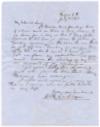
Leave of Absence for a 4th Virginia Cavalry Officer – Killed-in-Action just two weeks later at the Battle of First Bull Run
Civil War-Date Autograph Letter Signed, 7 ¾” x 9 ¾”. Writing to his wife from his northern Virginia headquarters just two weeks before the Battle of First Manassas, the opening major engagement of the American Civil War in the East, Wickham informs her of the leave of absence for an officer in the 4th Virginia Cavalry.
“Fairfax C[ourt] H[ouse] [Virginia], July 5th 1861. My beloved Lucy, L[ieutenan]t Bowles has a four days leave of absence and as Robin is very anxious to go home for a day or two I have determined to let him go down on tuesday morning. Be sure to see that he gets off on Tuesday morning. It is after ten o’clock and I have just got in from an expedition so you must excuse the shortness of my letter on account of my weariness. I got your letter this morning and was glad to hear that Mary Fanning was coming on. I will write again in a day or two. I never was in better health in my life. Your own husband, Wm. C. Wickham.”
The named officer, Boldman Bowles, here referred to in an informal first name, is quite possibly a family friend or neighbor in Hancock County, Virginia. Modern records, courtesy of Historical Data Systems, Inc., as follows: “Boldman Bowles. Residence was not listed; a 34 year-old farmer. Enlisted on 5/9/1861 at Ashland, VA as a 2nd Lieutenant. On 5/9/1861 he was commissioned into ‘H’ Co. VA 4th Cavalry. He was Killed on 7/21/1861 at Bull Run, VA (Shot in head).”
Overall condition is excellent, with minor separation at the edges of the expected folds; there are two tiny holes in the extreme lower margin, well away from all text.
WICKHAM, WILLIAMS CARTER (1820-88) Confederate Brigadier General; Colonel of the 4th Virginia Cavalry; Confederate Congressman – 1864-65
-100.png)
-100.png)
Civil War-Date Signed Envelope - Addressed to his Wife
Signed Envelope, 2 ¼” x 4 ¼”, “Wm. C. Wickham, L[ieutenan]t Col[onel] 4th V[irgini]a Cavalry,” a second partial signature being incorporated into Wickham’s address to his wife, “Mrs. Lucy P. Wickham, Hanover C[ourt] H[ouse], V[irgini]a.” With postal markings “Tudor Hall, V[irgini]a, Feb[ruary] 22, 1862,” and a “Due 5” hand stamp; there are several pencil dealer notations on both front and reverse.
Lightly and evenly toned, with the expected soiling and wear; slight fading of ink and lack of contrast in the manuscript portions, also quite commonly seen on similar war-date items.
YOUNG, PIERCE MANNING BUTLER (1836-96) Confederate Major General; Led a cavalry brigade under Wade Hampton and JEB Stuart in the Army of Northern Virginia; U.S. Representative – Georgia – 1868-75

Franked Envelope, 2” x 4 ¾”, in violet ink as U.S. Representative from Georgia, “P.M.B. Young, M[ember] C[ongress],” with the pencil notation “Decemb[e]r 22nd [18]69” in another hand in the upper left. Portions of a Cartersville, Georgia postmark of the same date intersect the first two letters of Young’s frank, and the envelope is addressed in an unidentified hand to prominent North Carolina politician Samuel Finley Patterson, 1799-1874.
Lightly and evenly toned, with somewhat heavier wear and soiling at the edges.
Show Paging
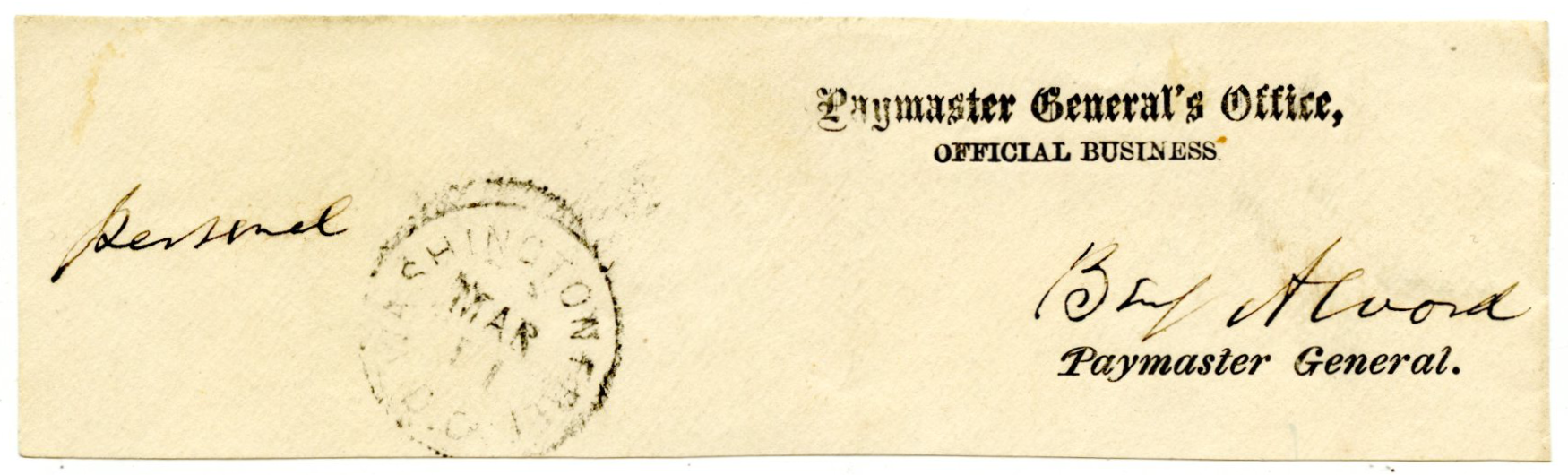
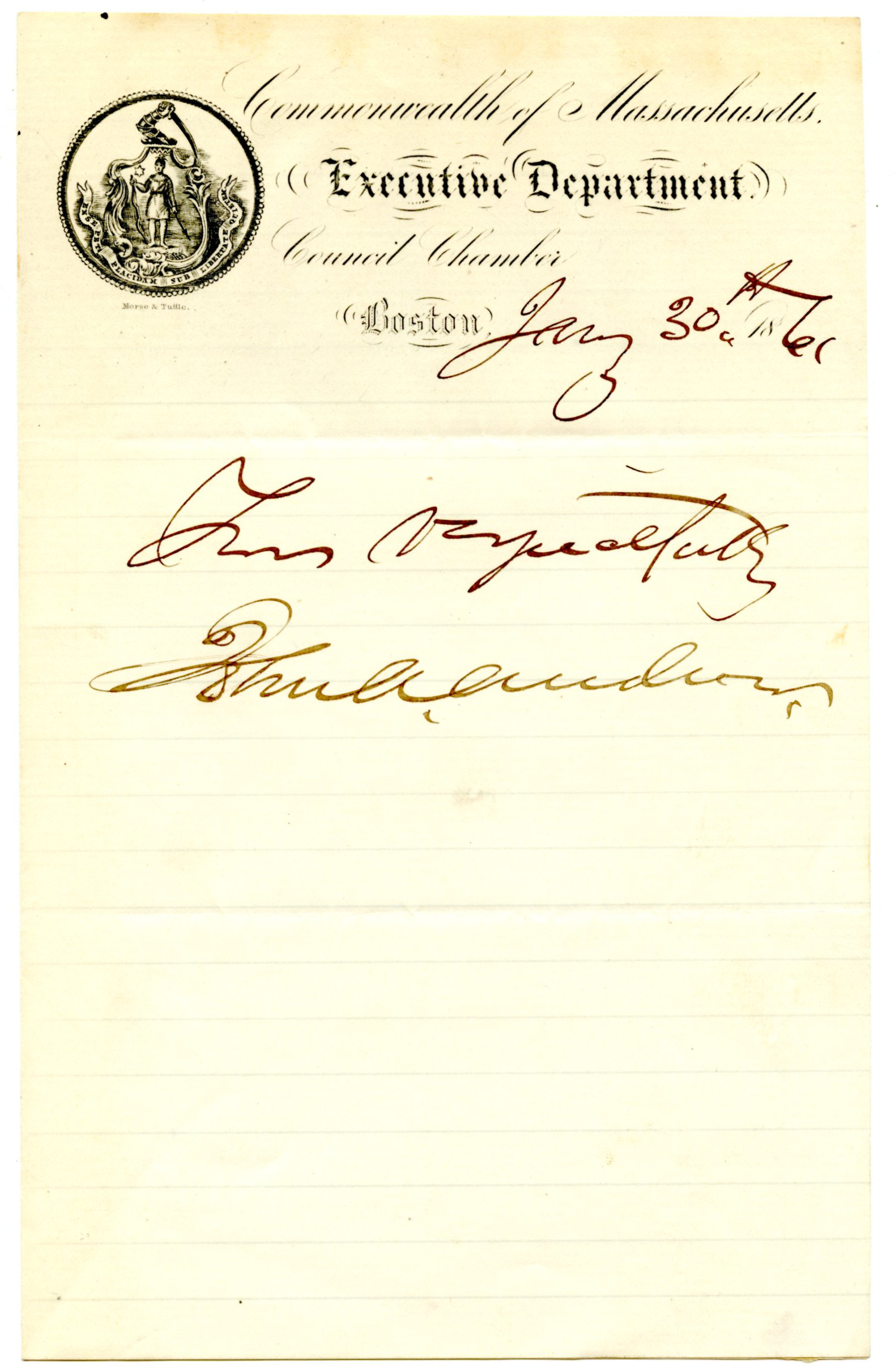
-1852.png)
-1847.png)
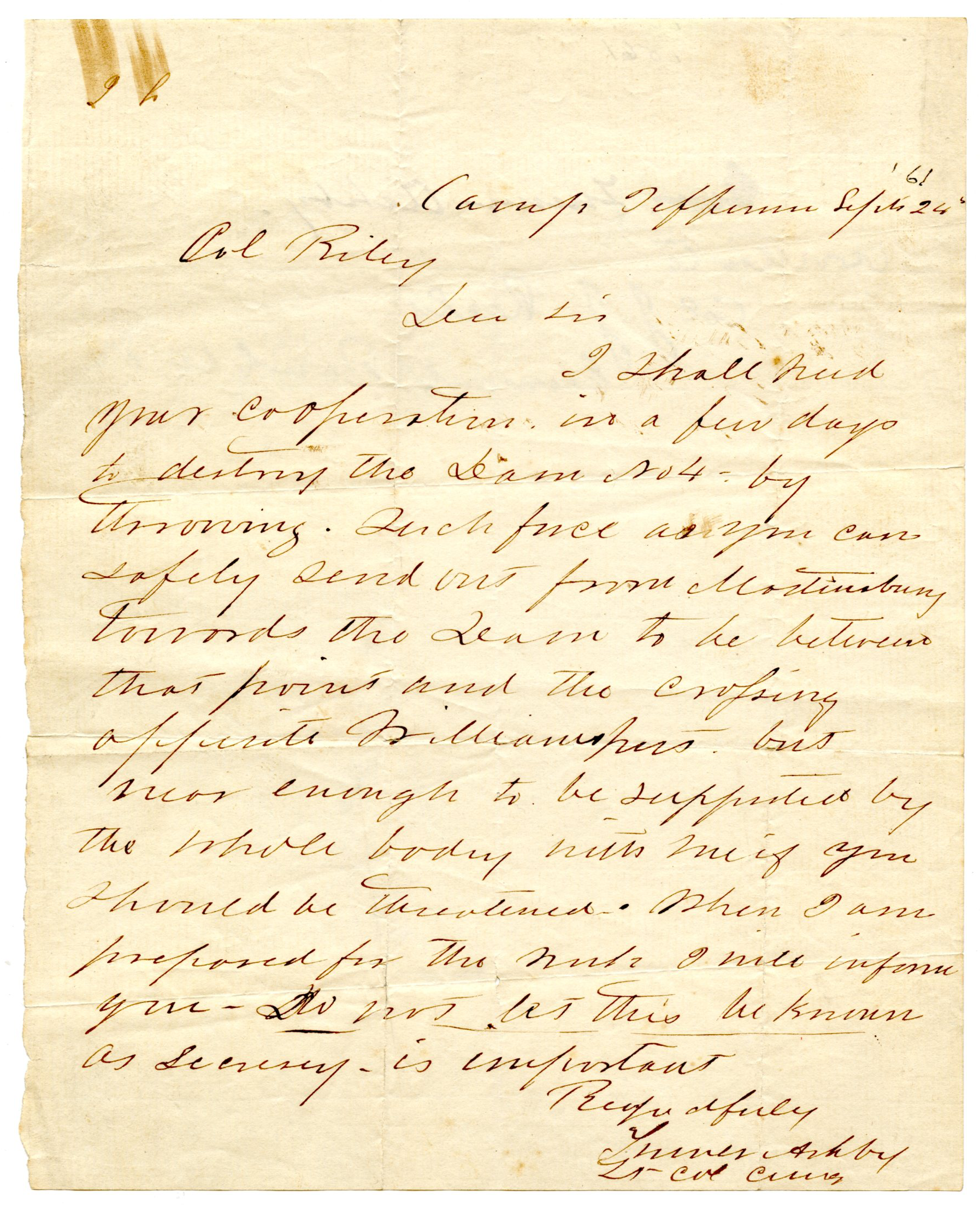
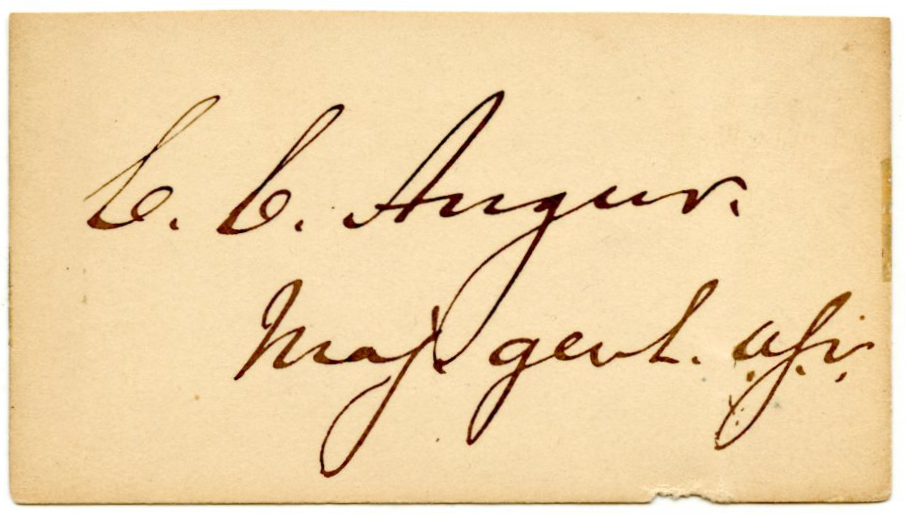
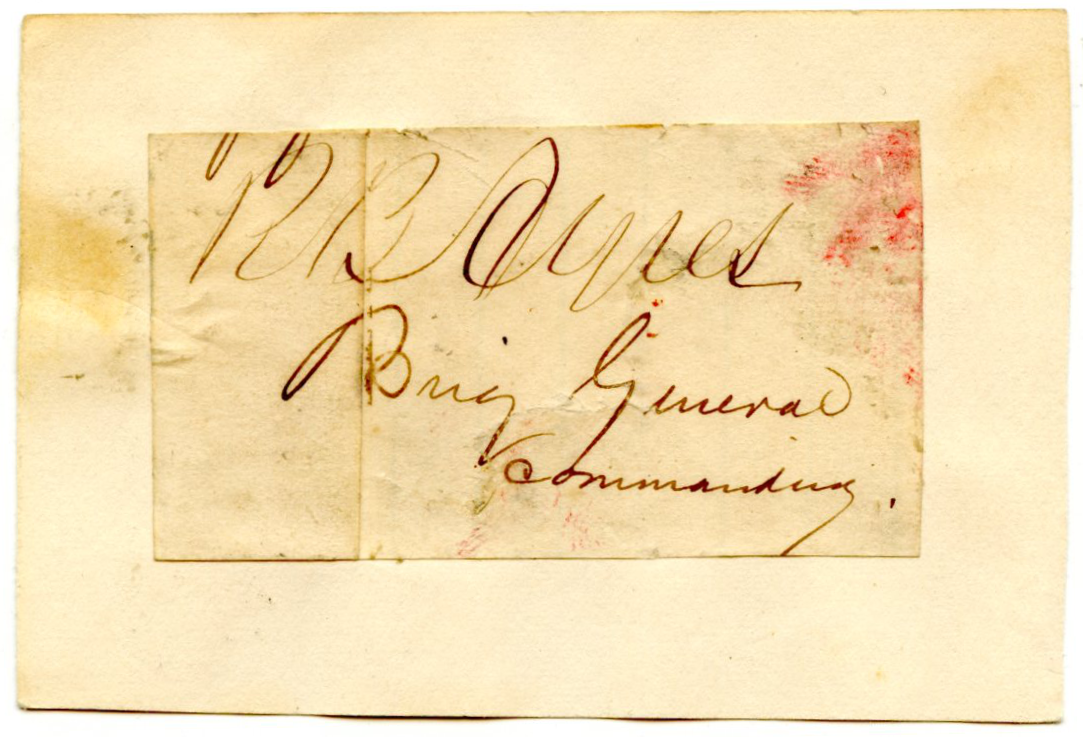
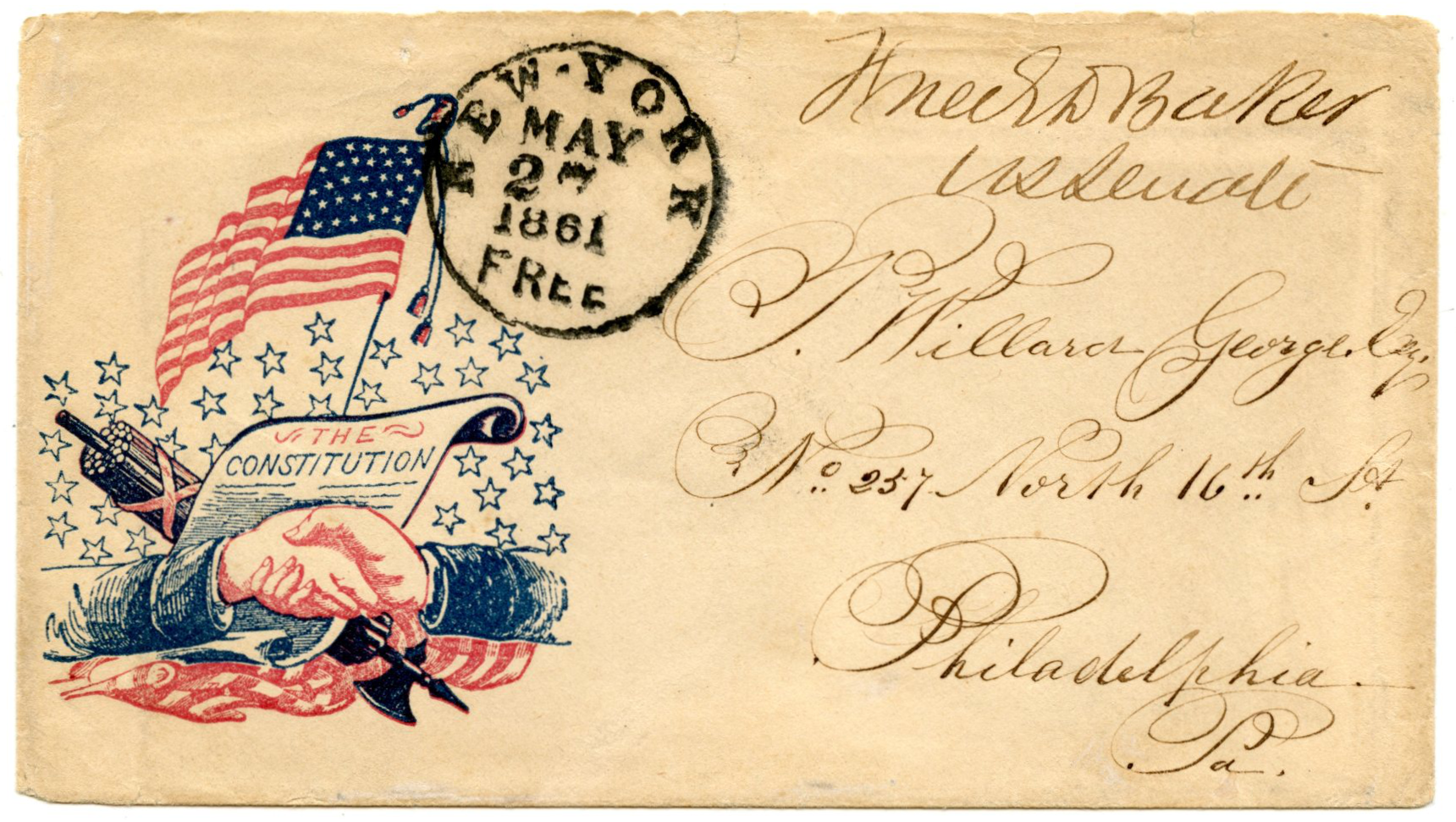
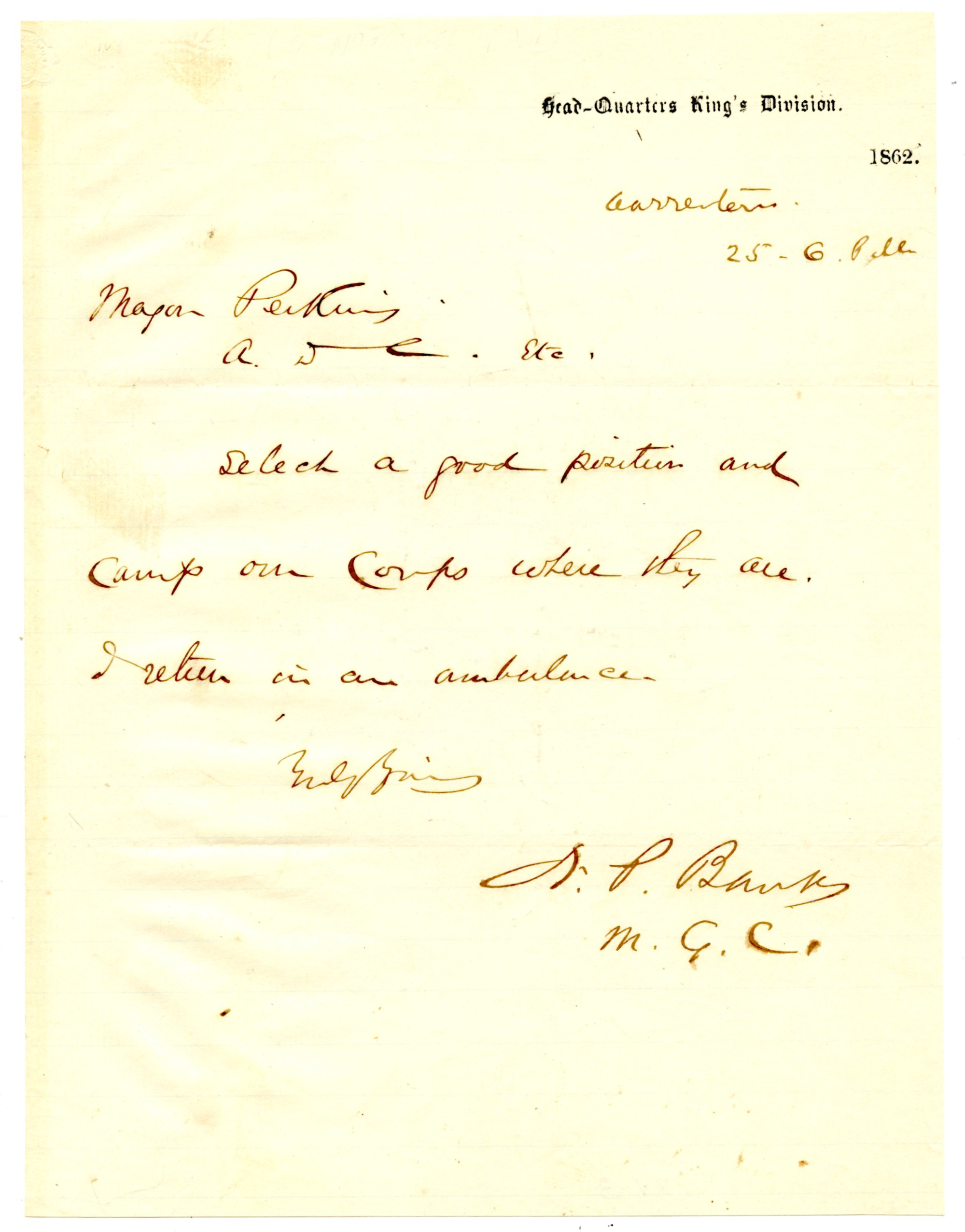
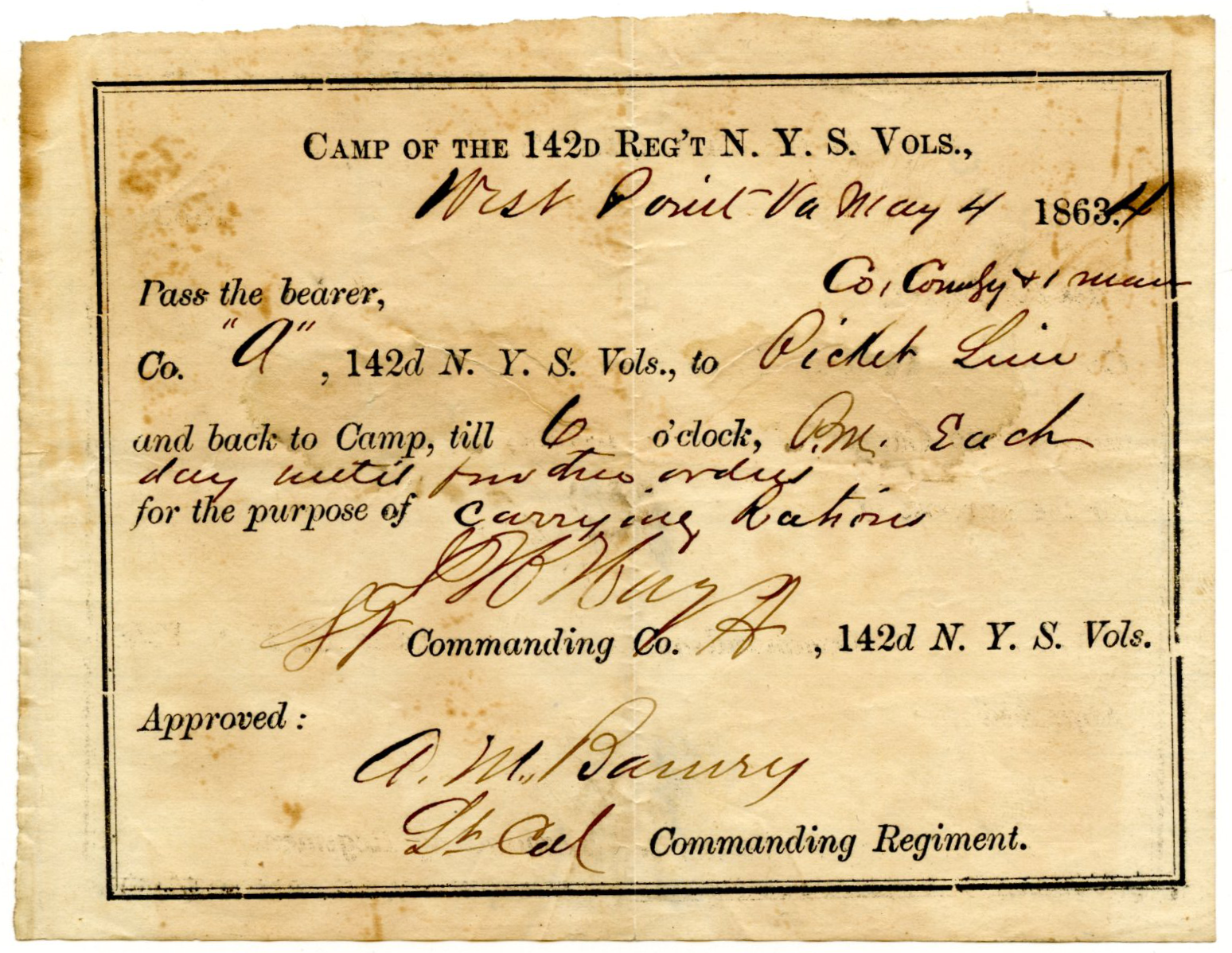
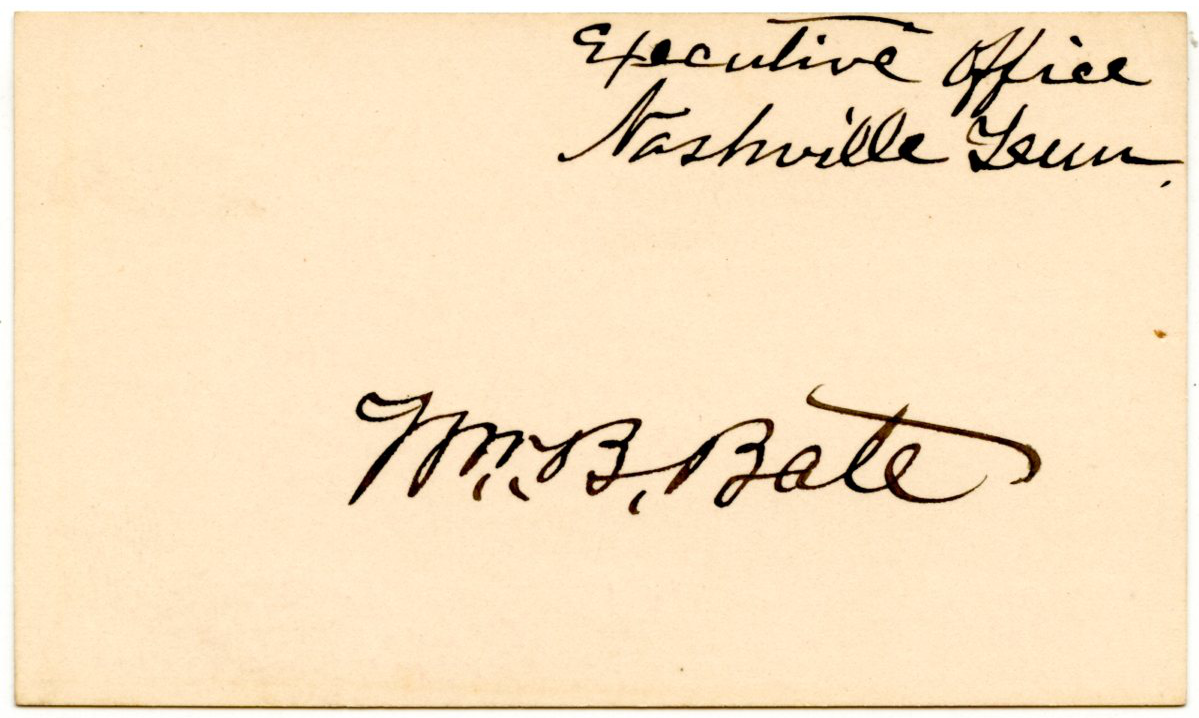
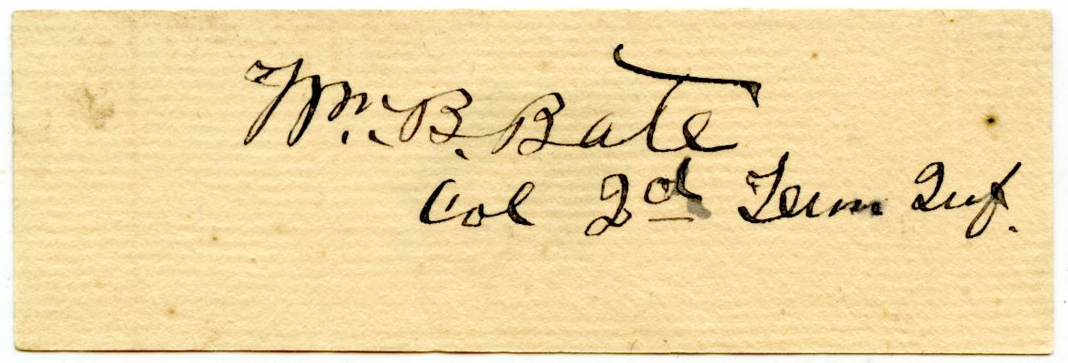
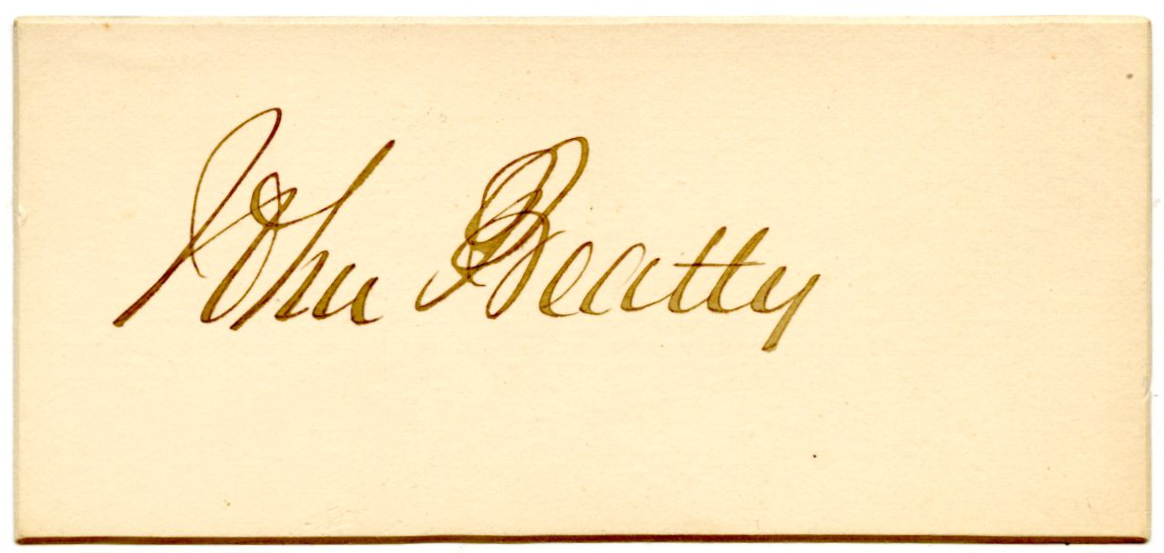
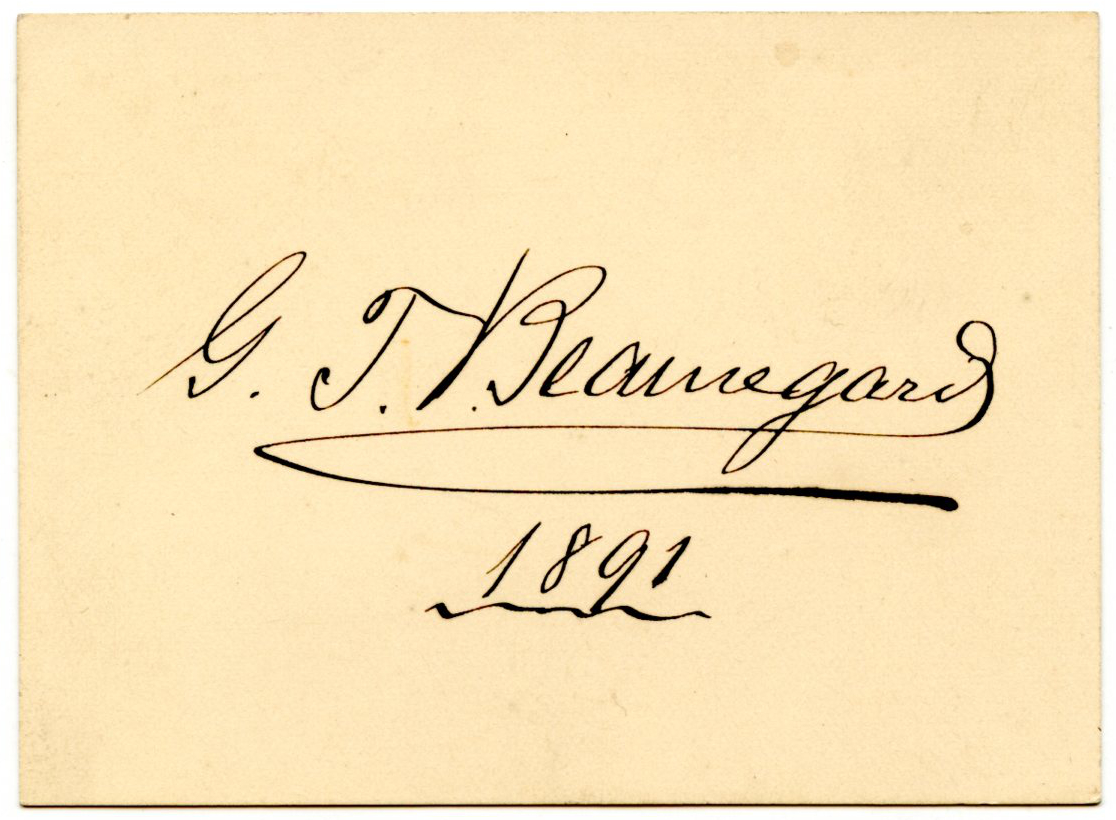
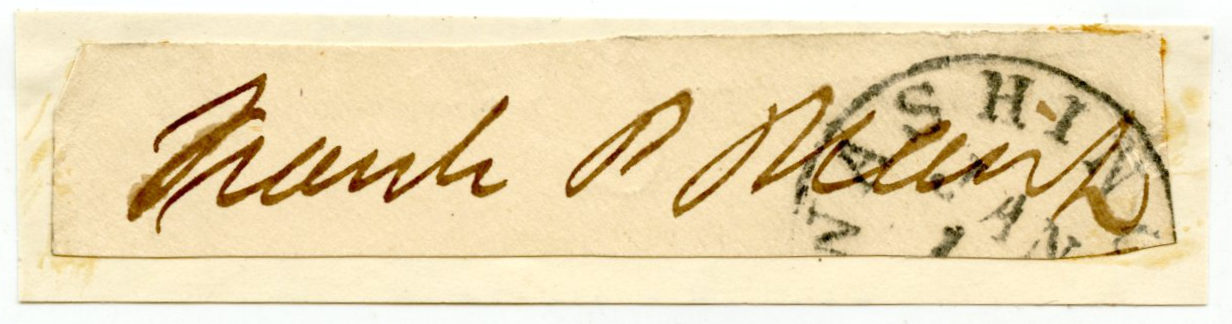

-1606.png)
-1612.png)
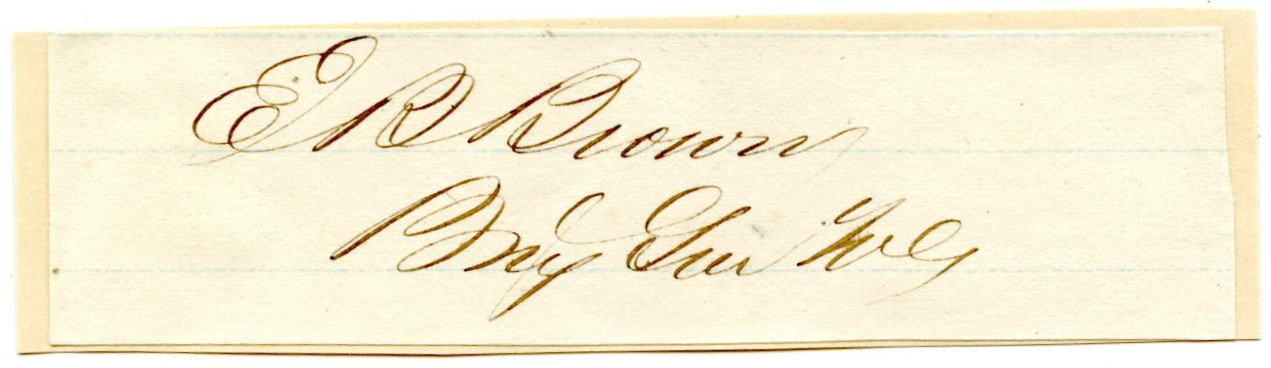
-1696.png)
-1682.png)
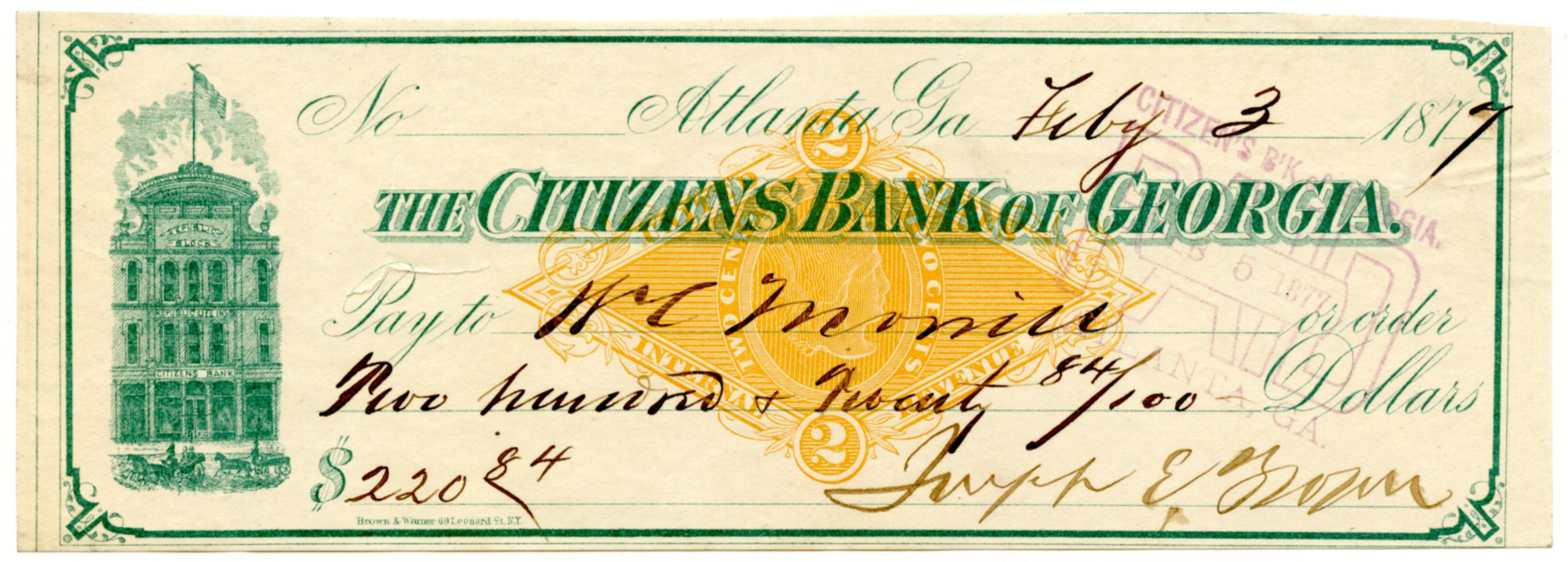
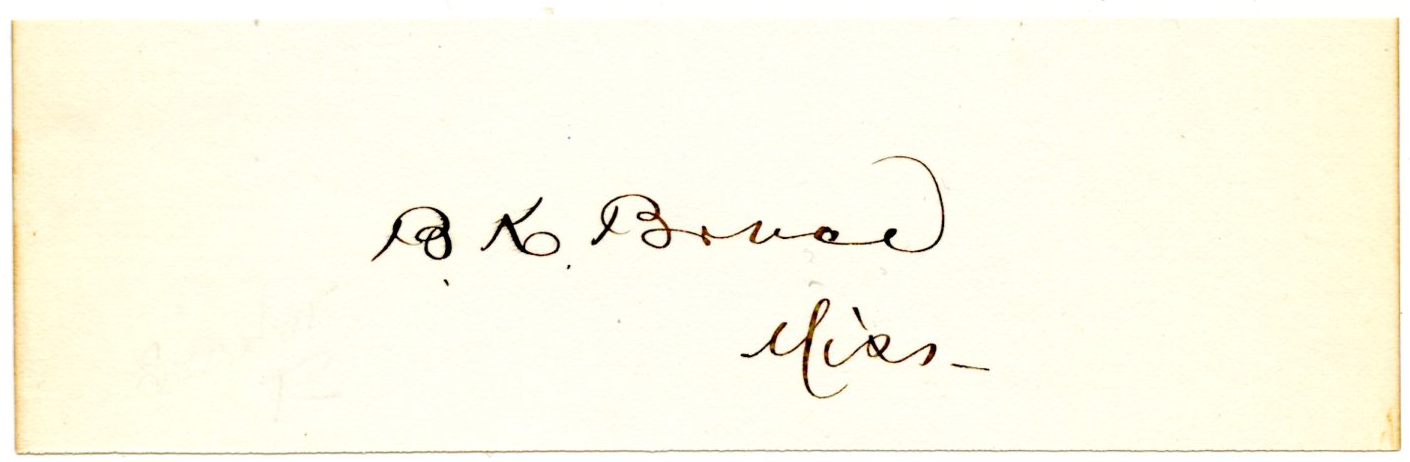
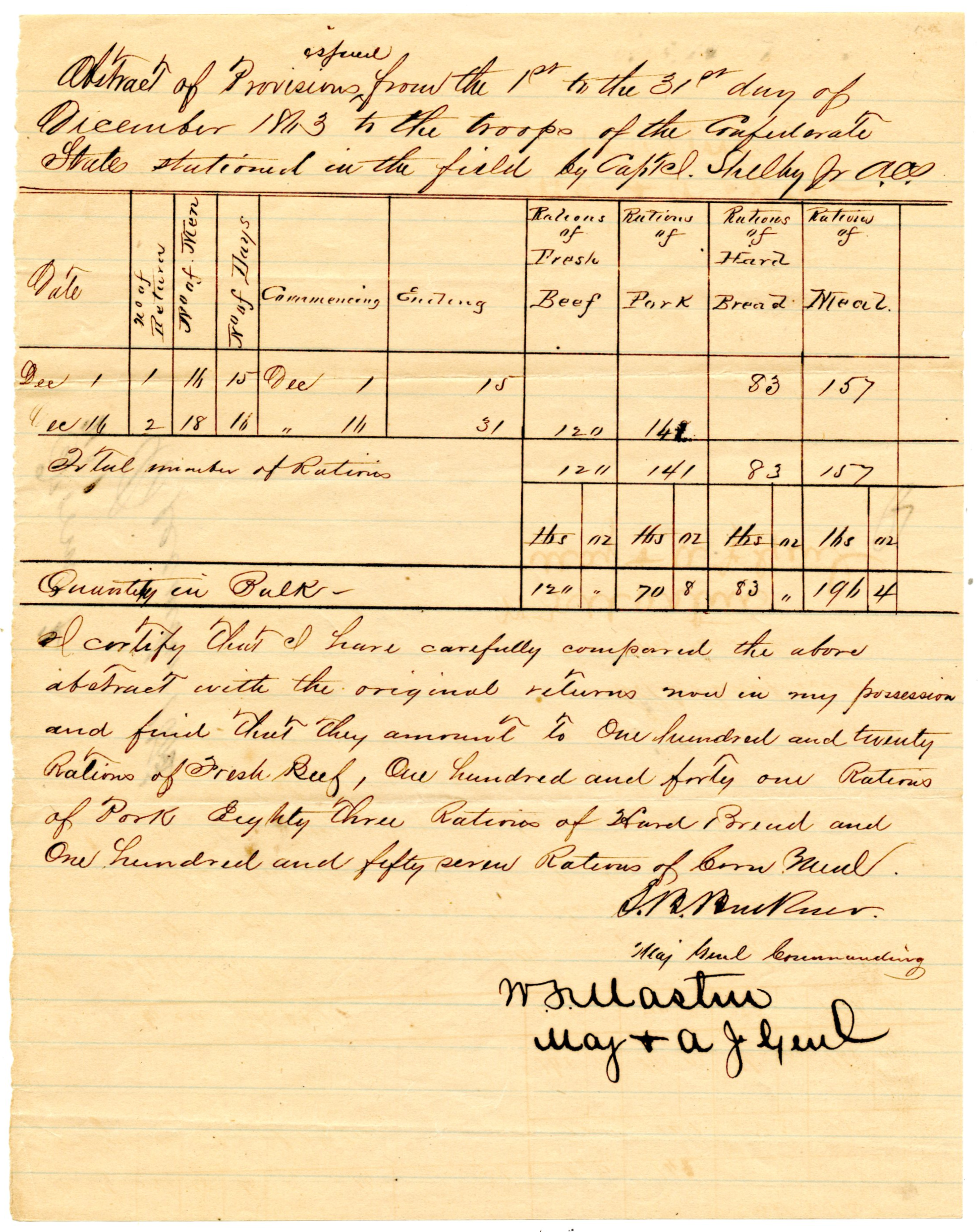
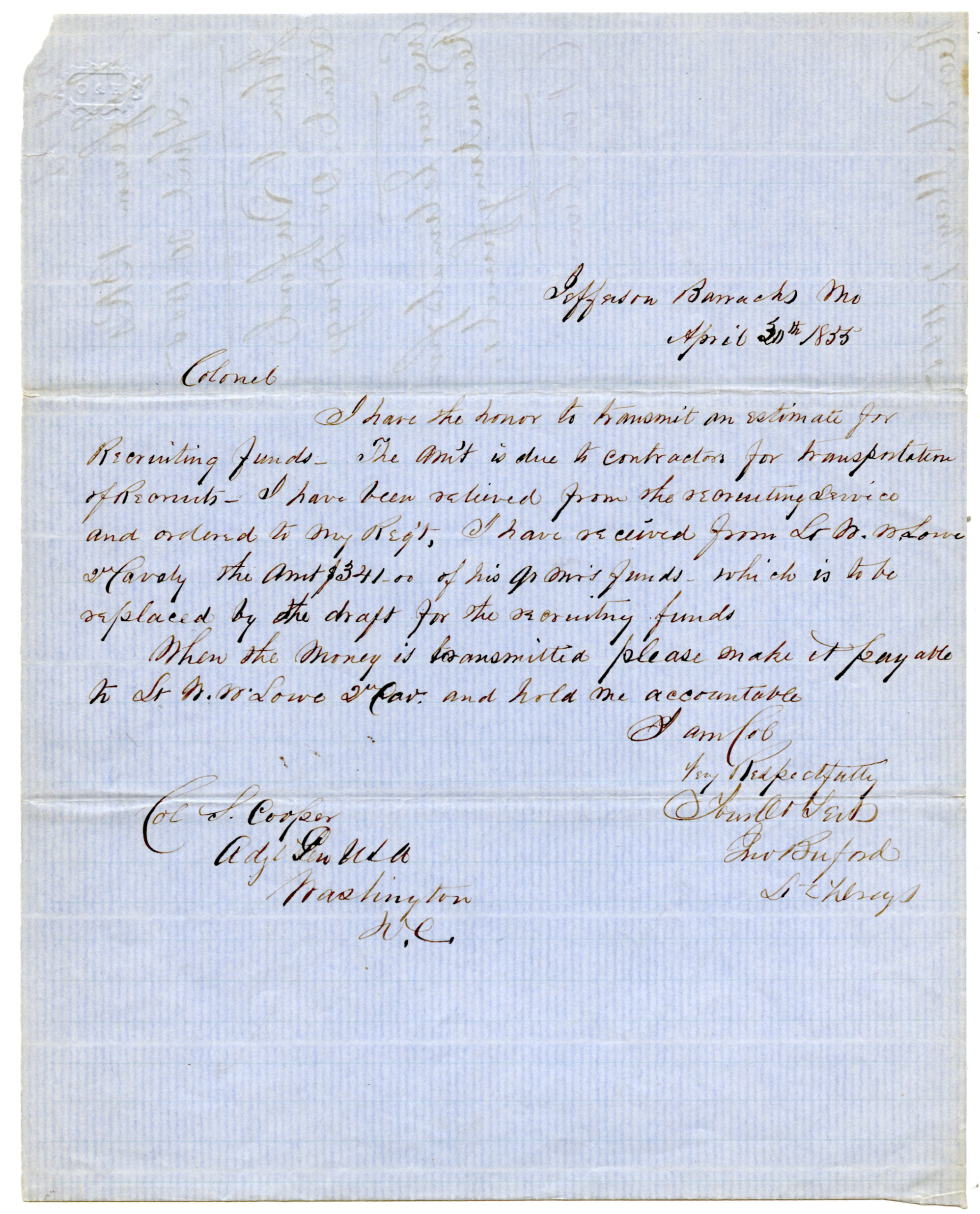
-1995.png)
-1995.png)
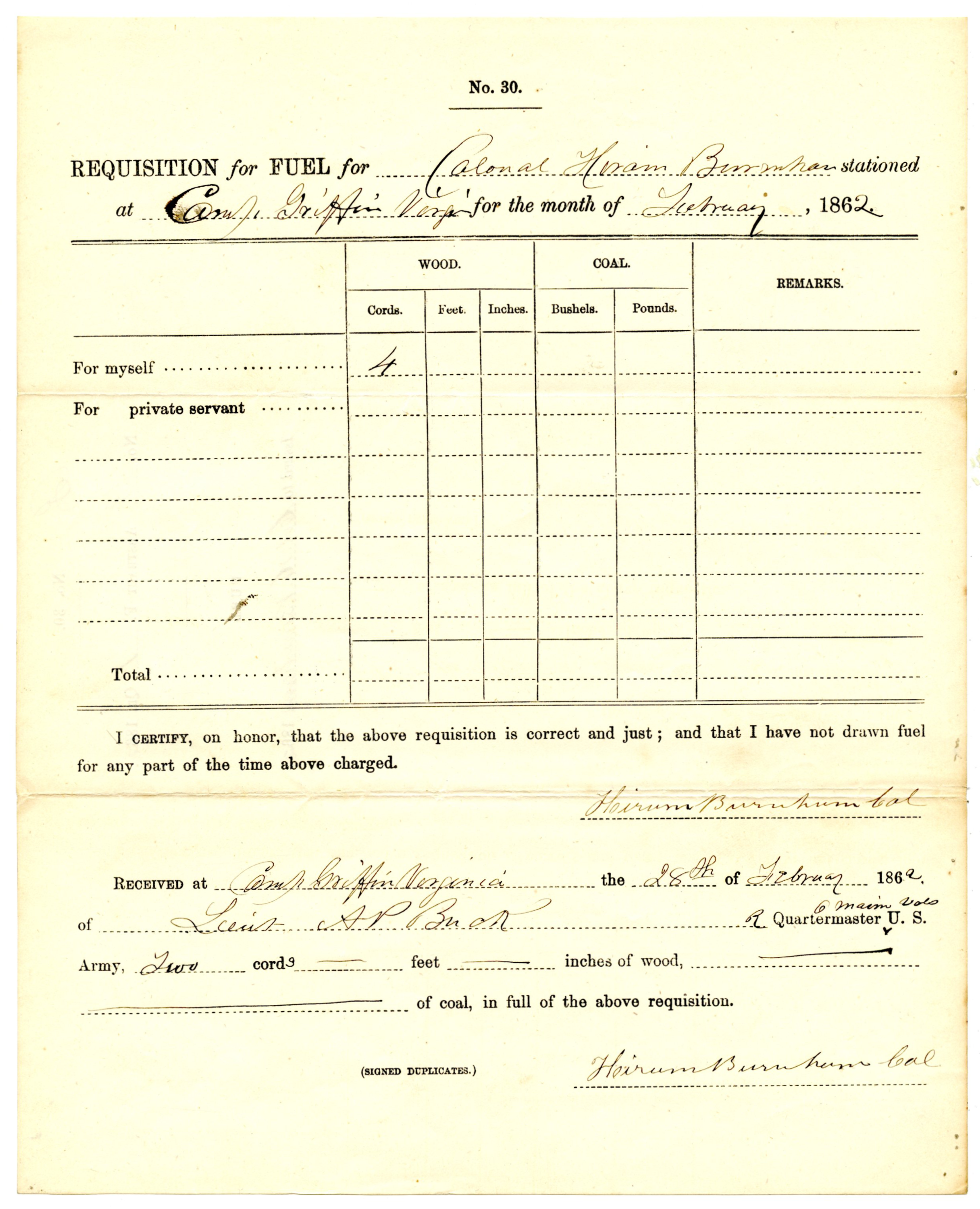
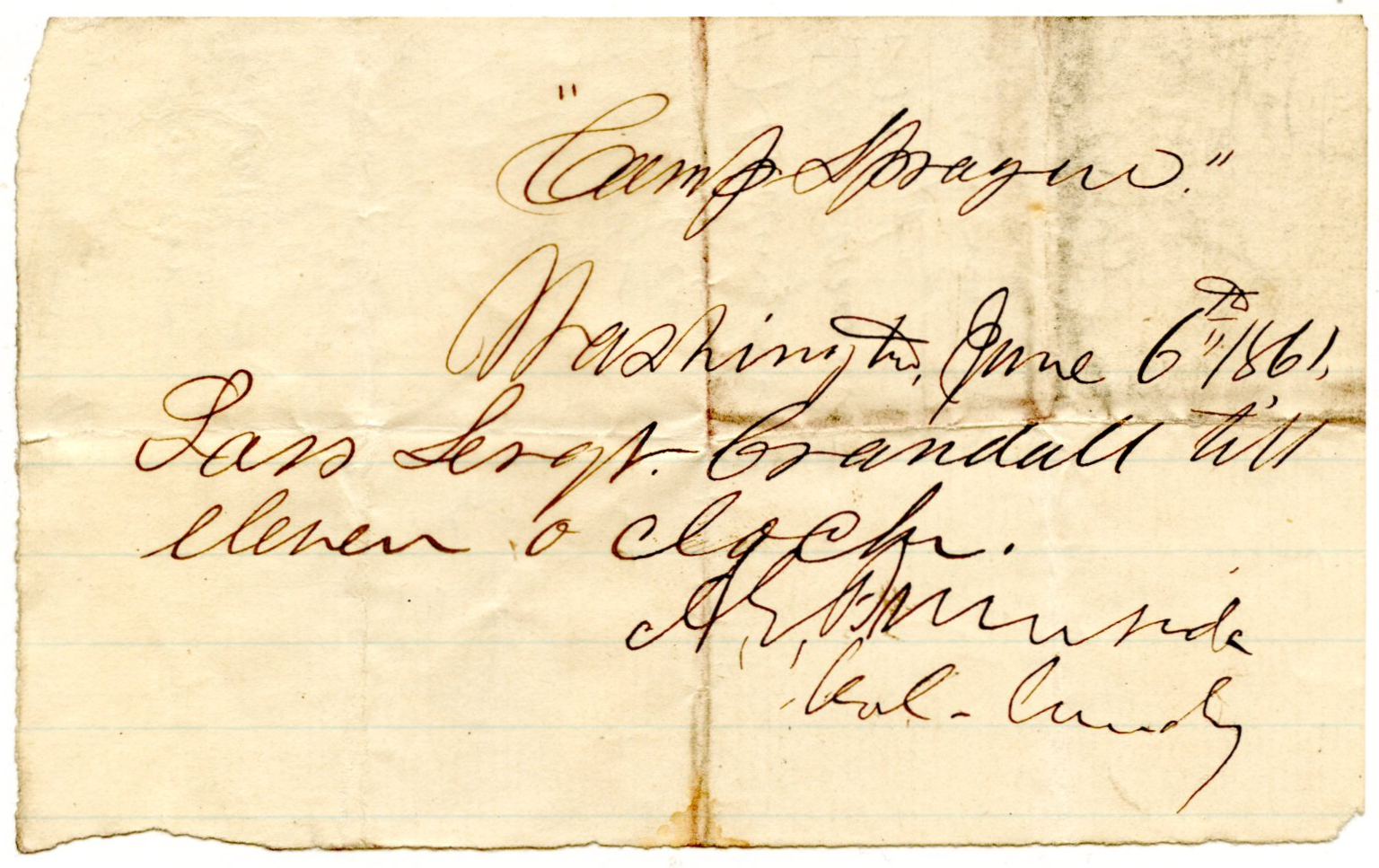
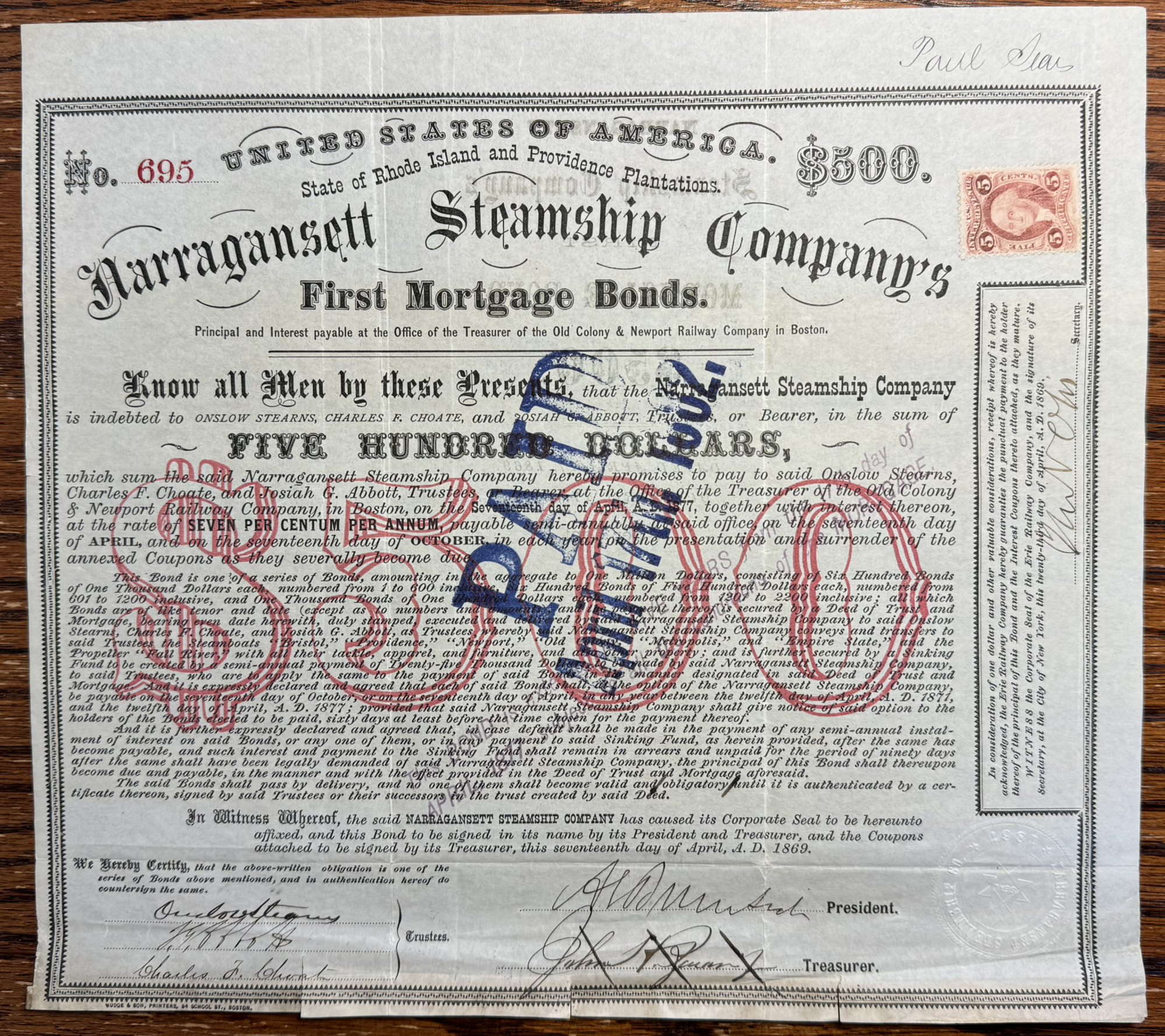
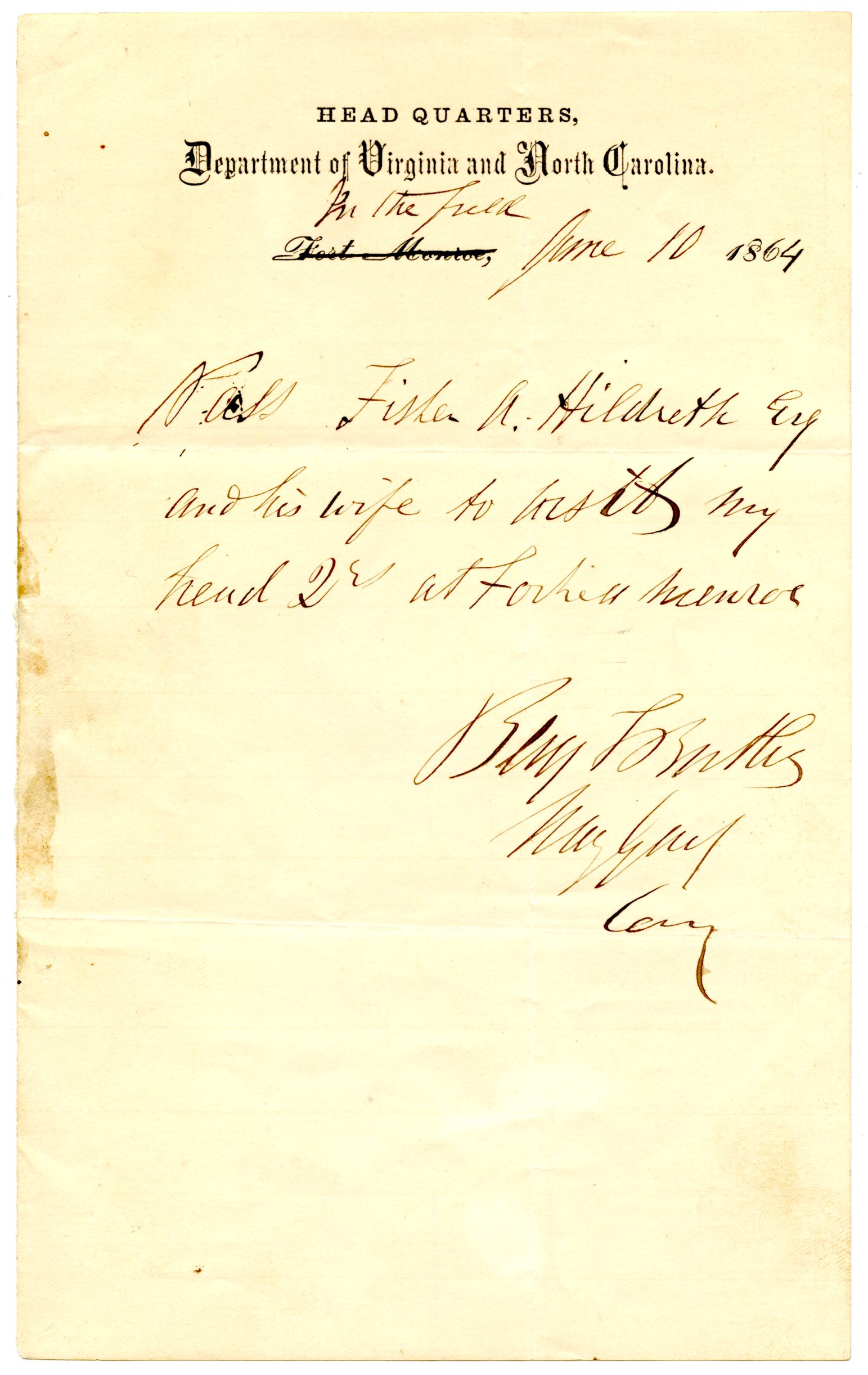
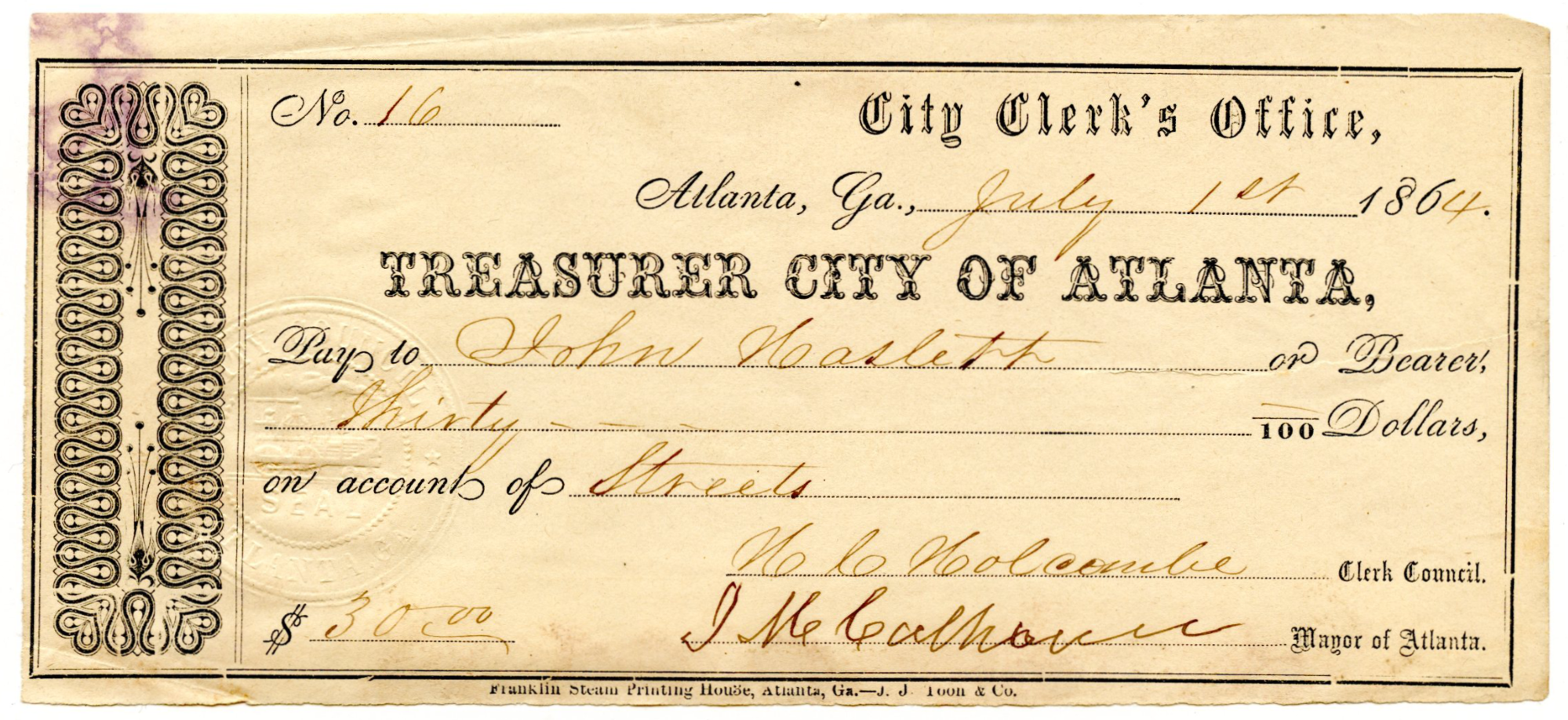
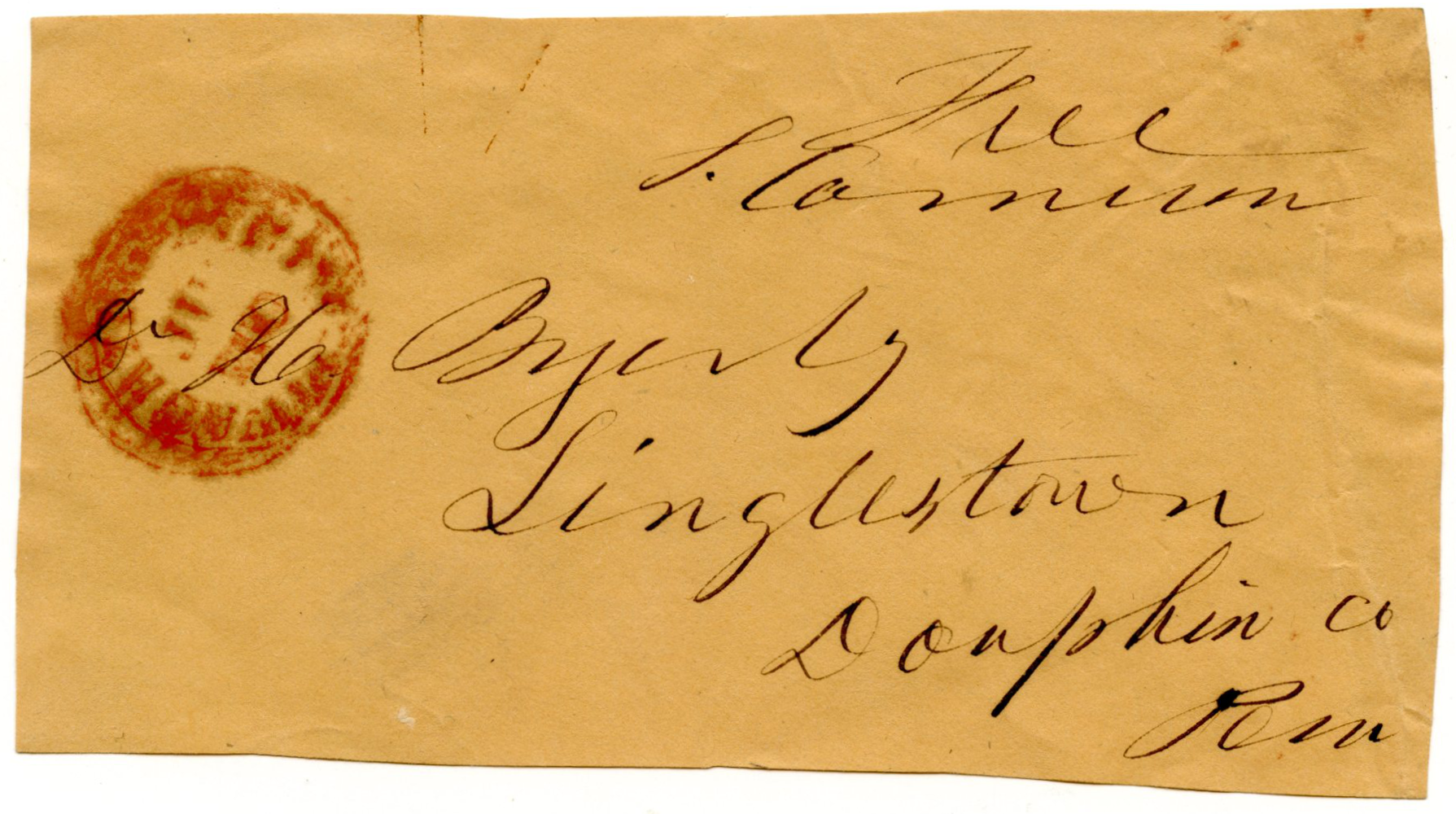
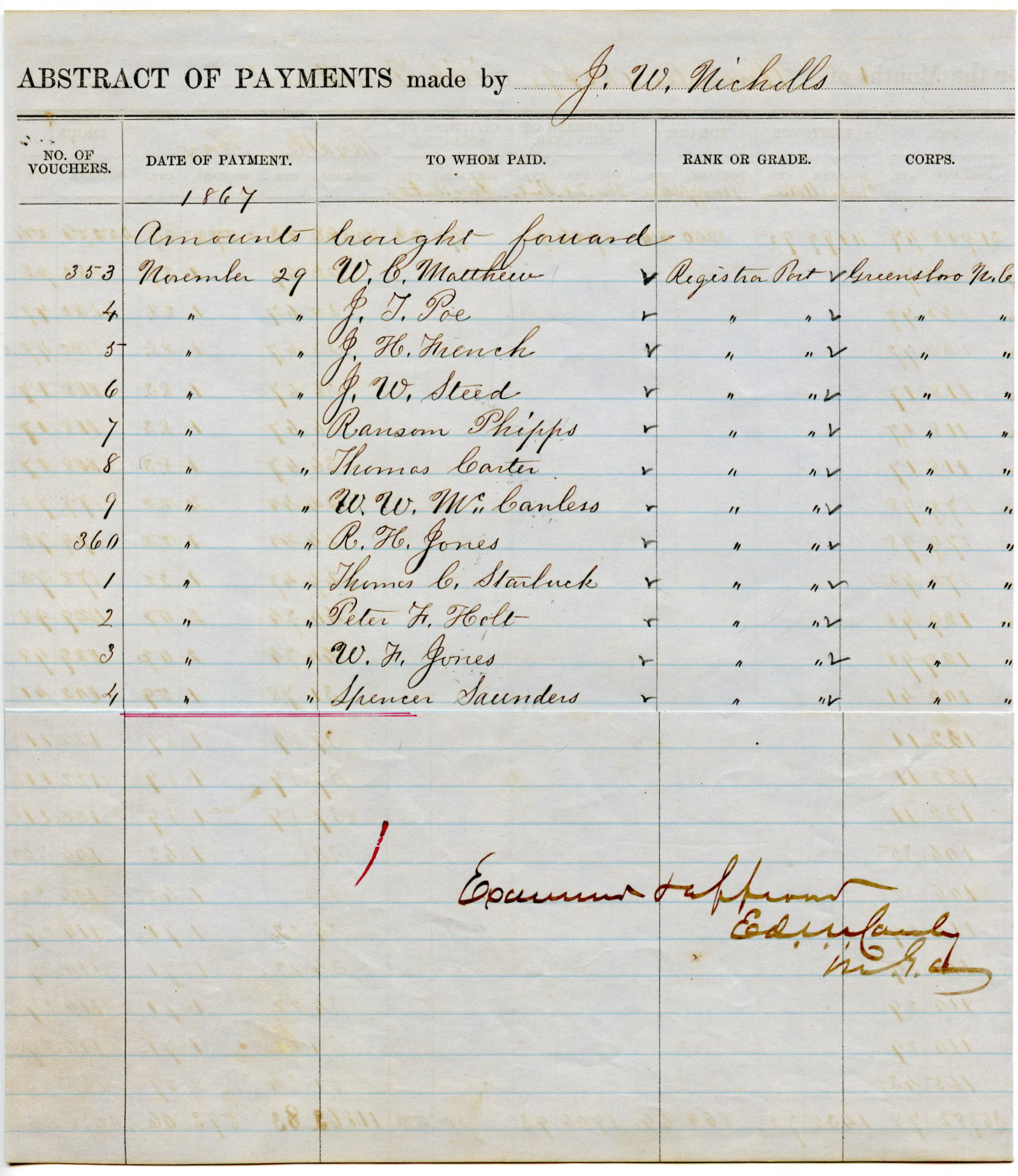
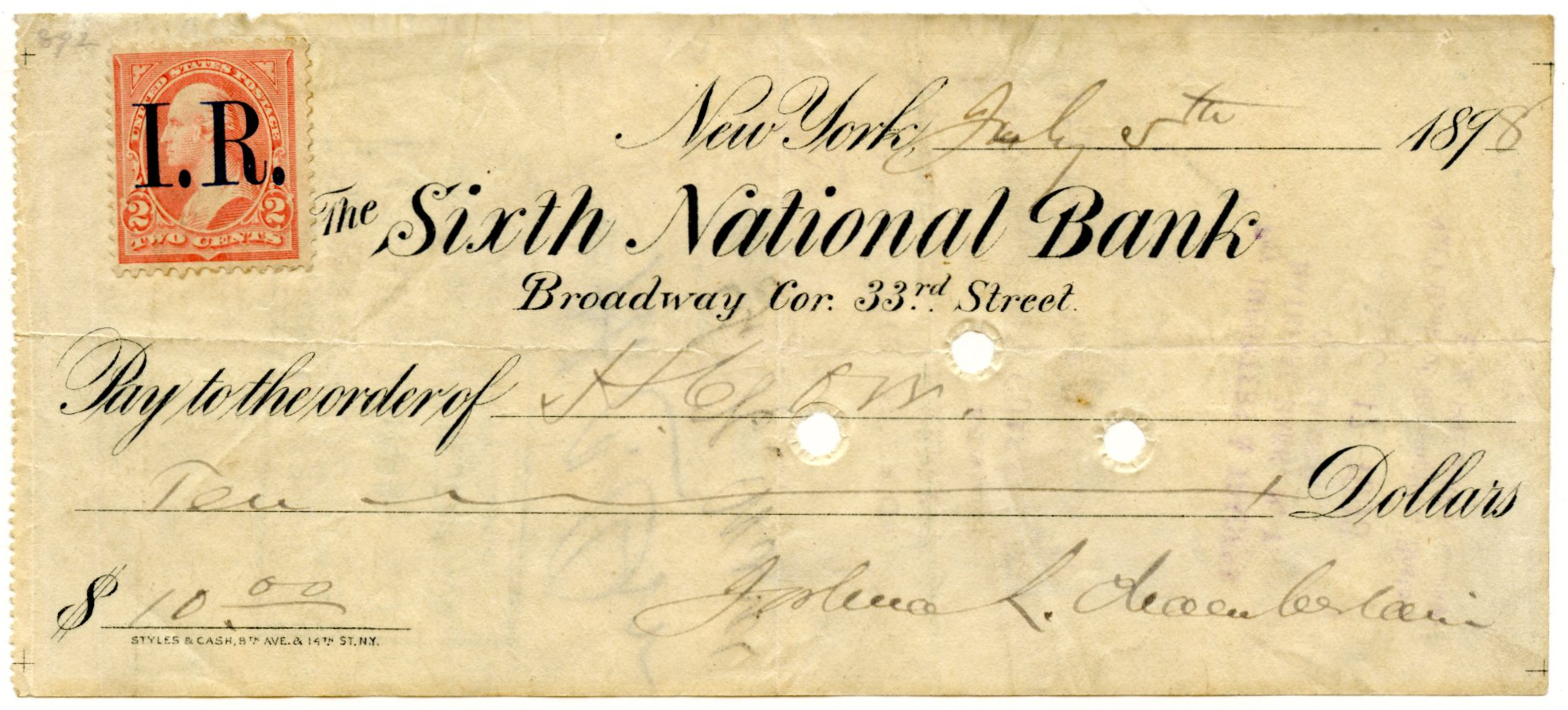
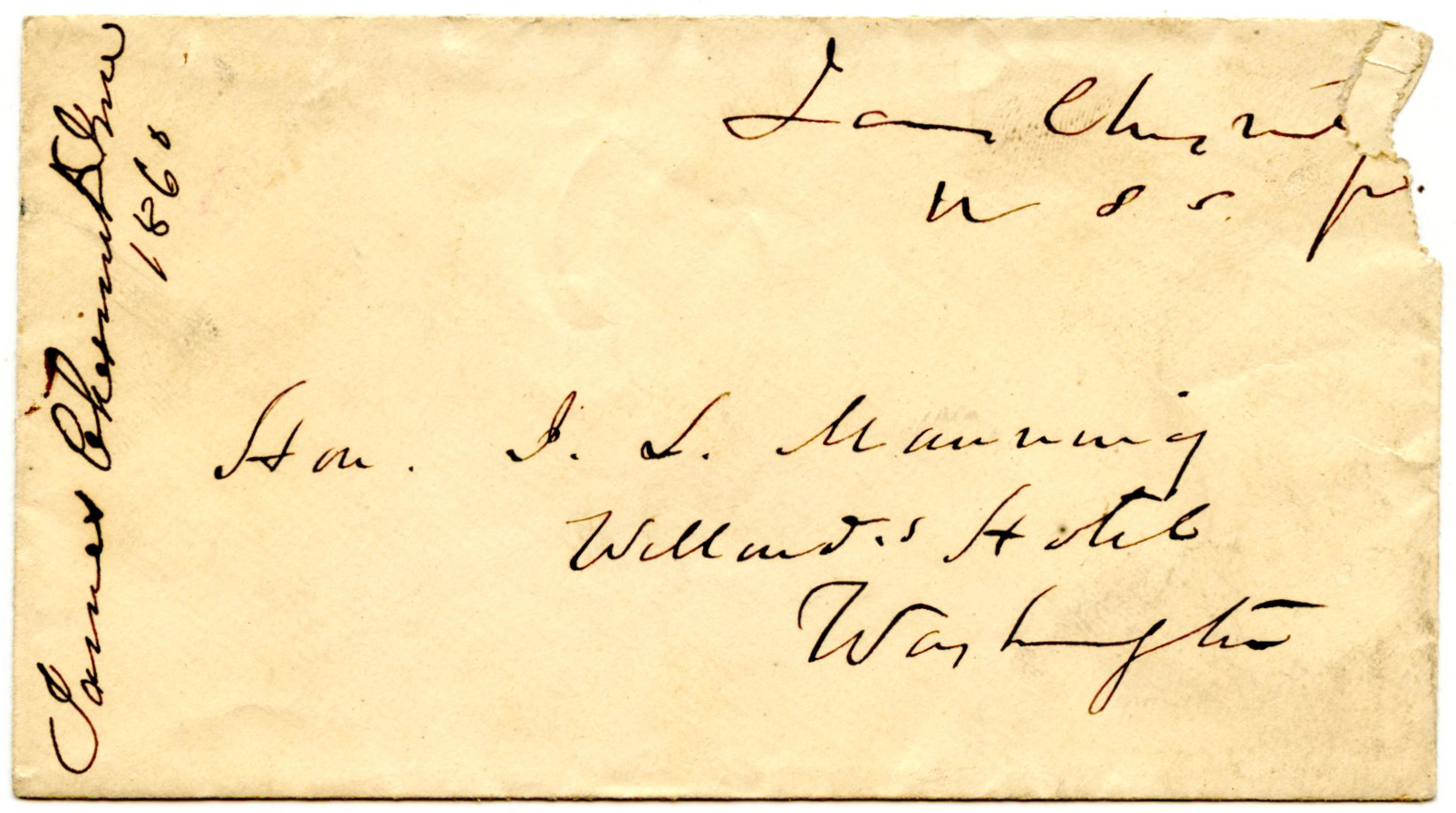
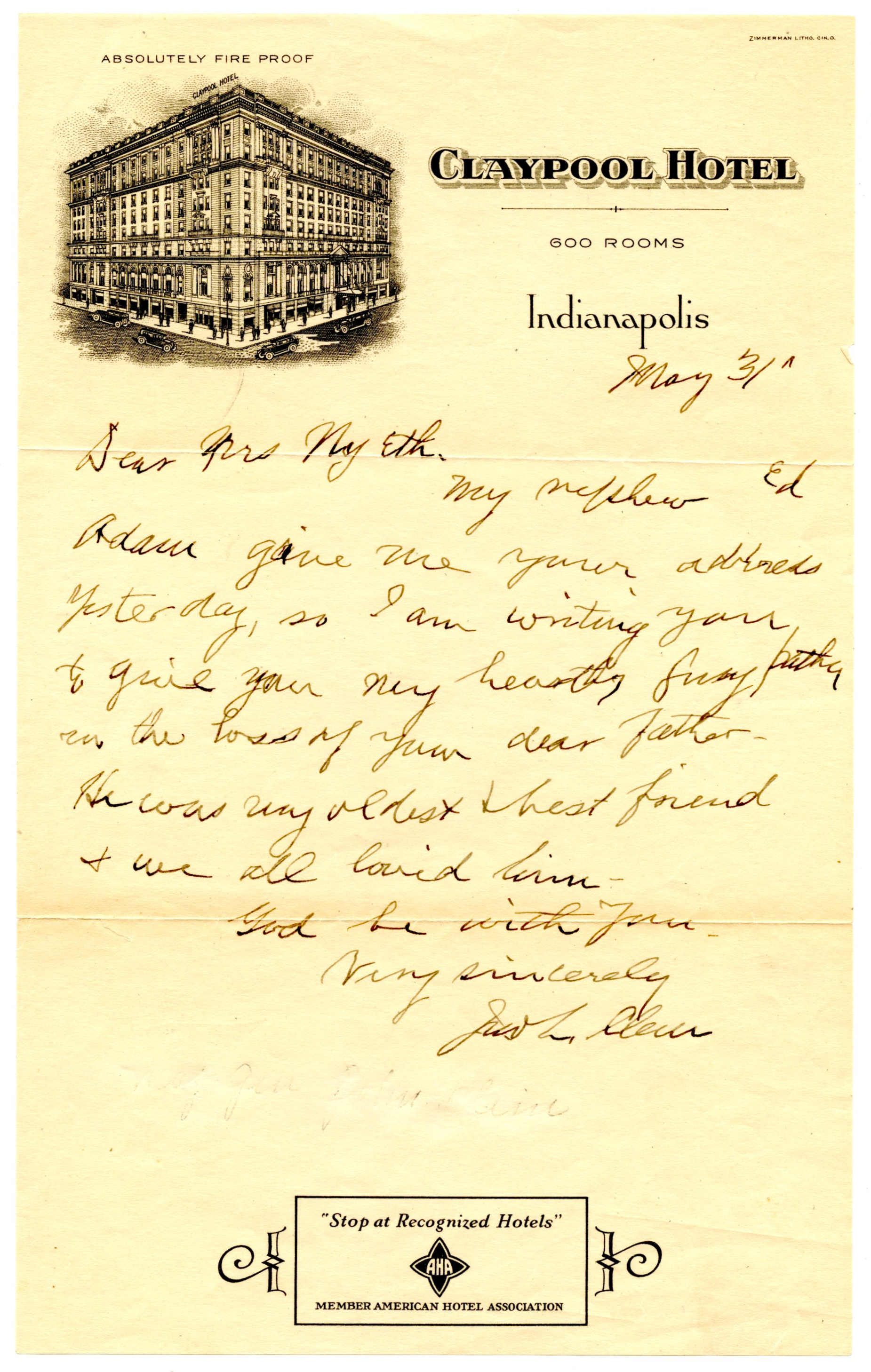
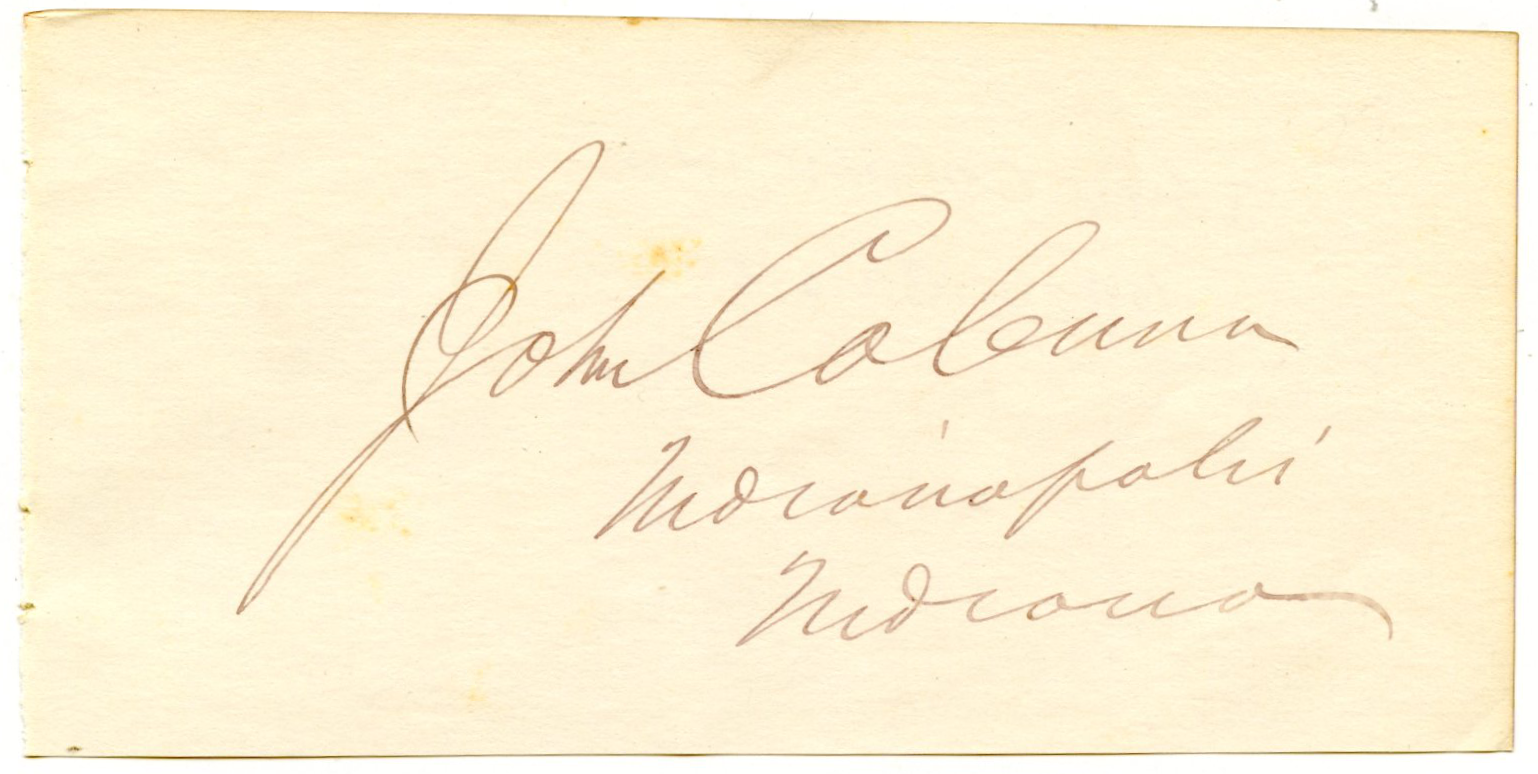
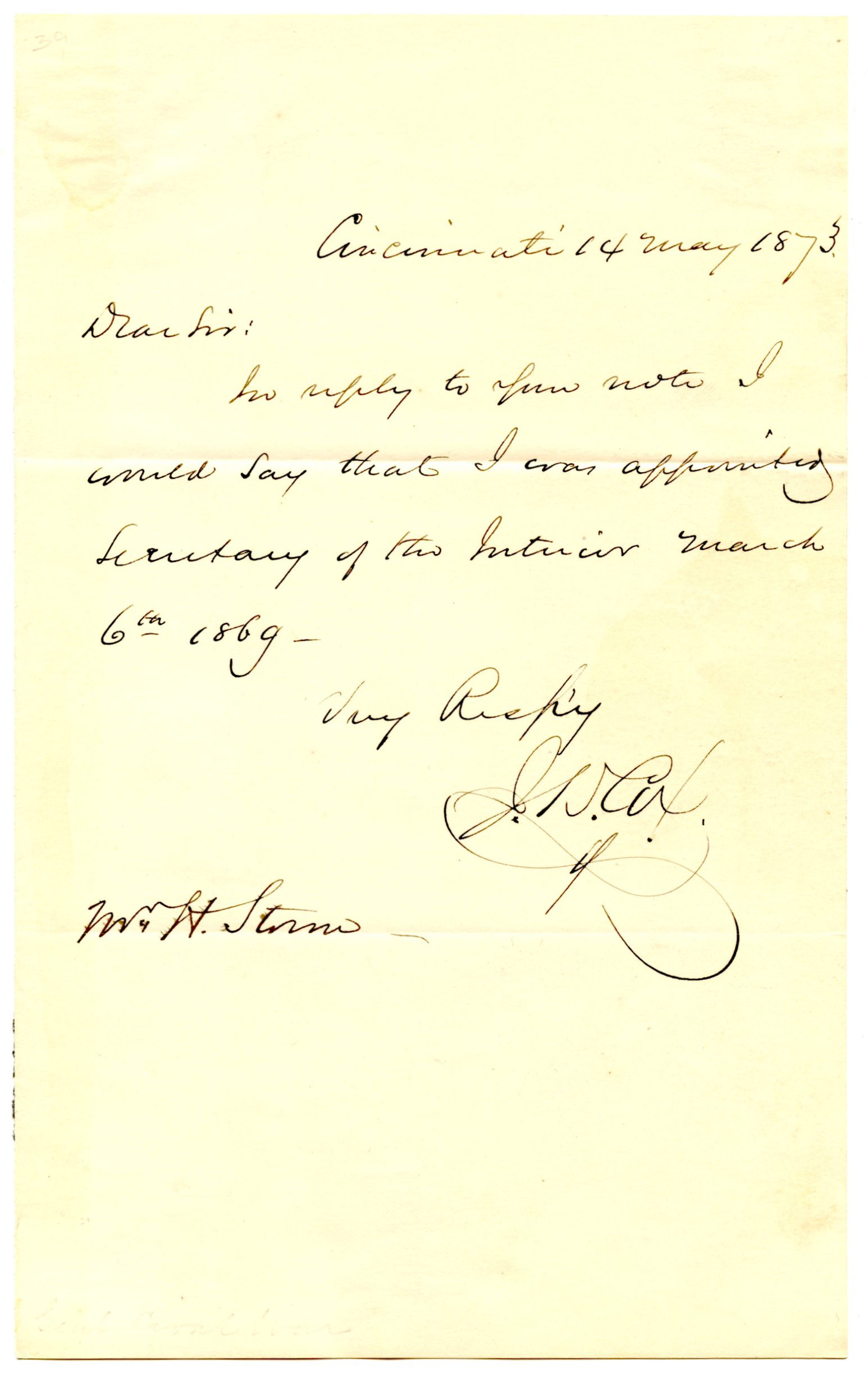
-1601.png)
-1606.png)
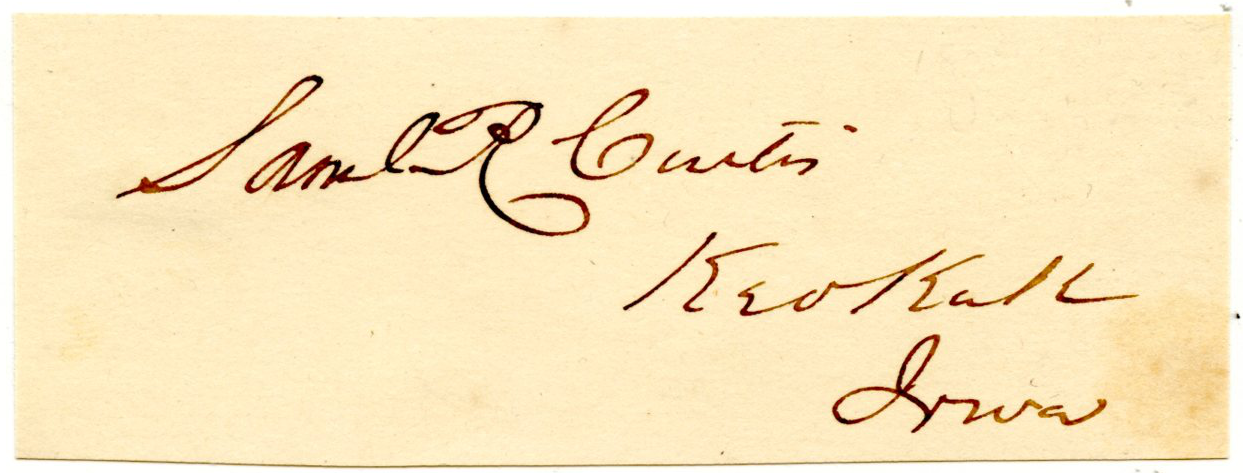
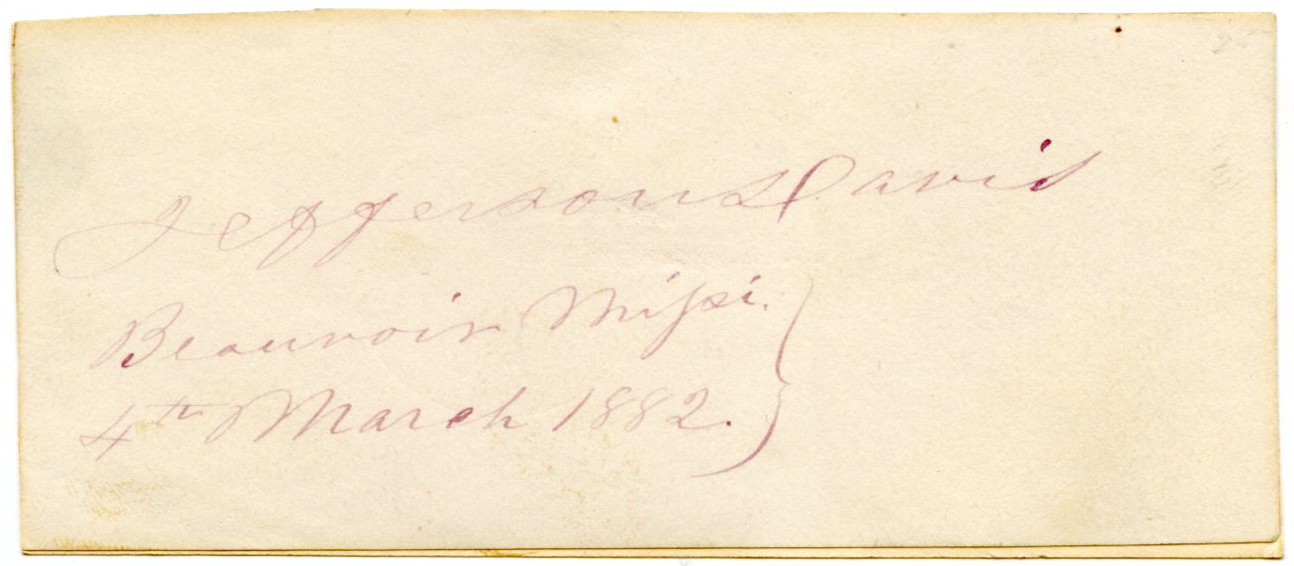

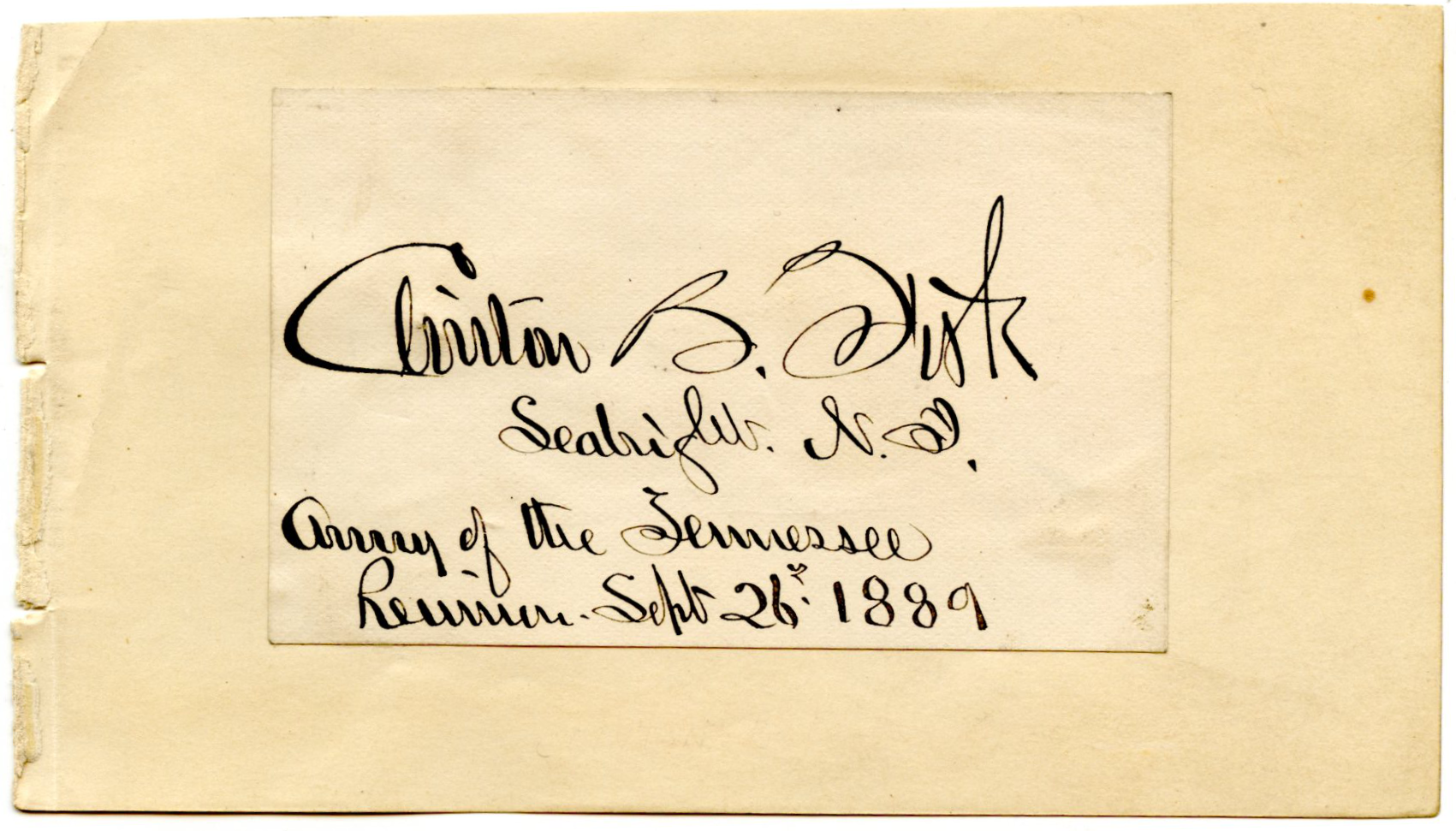
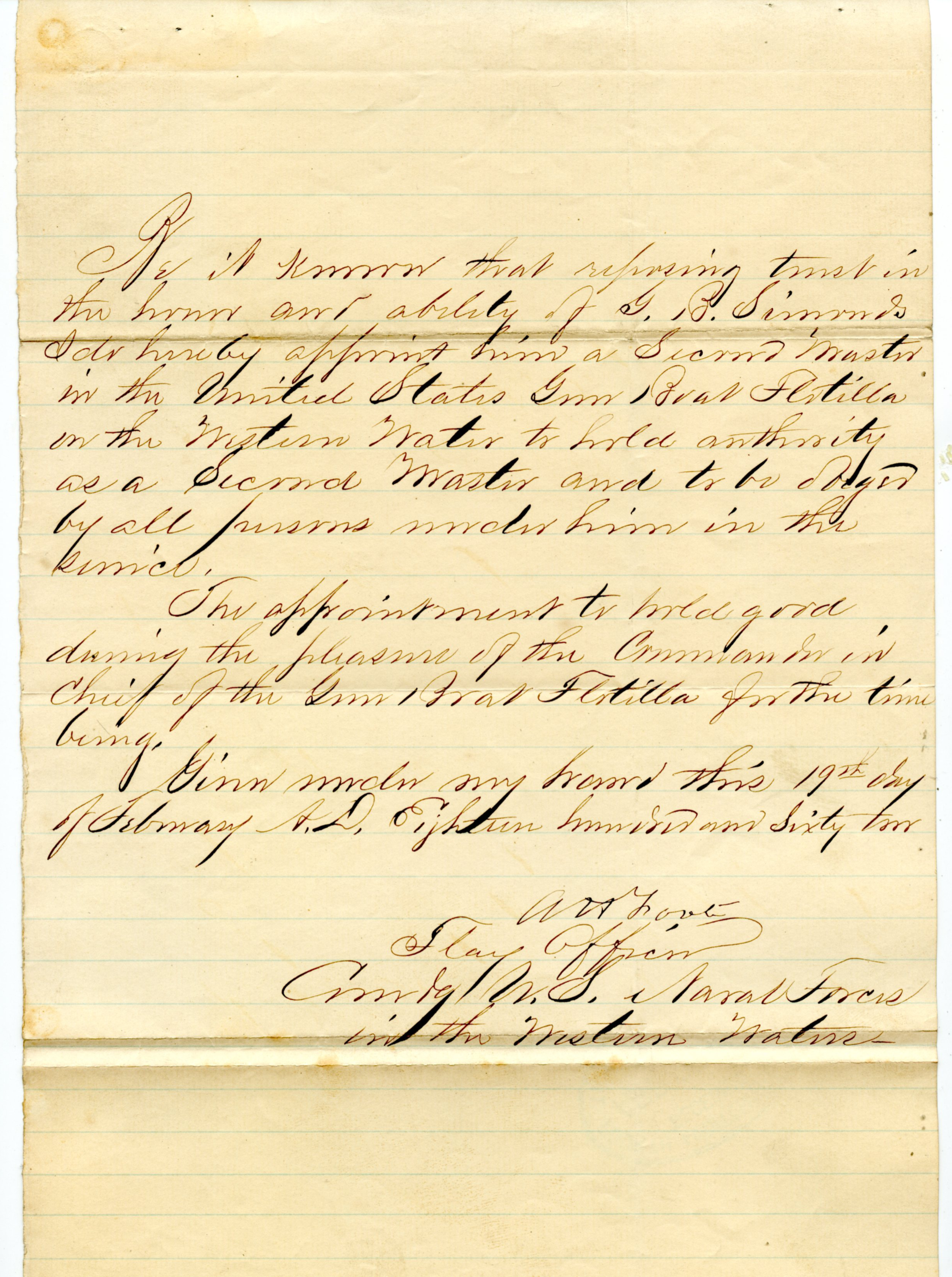
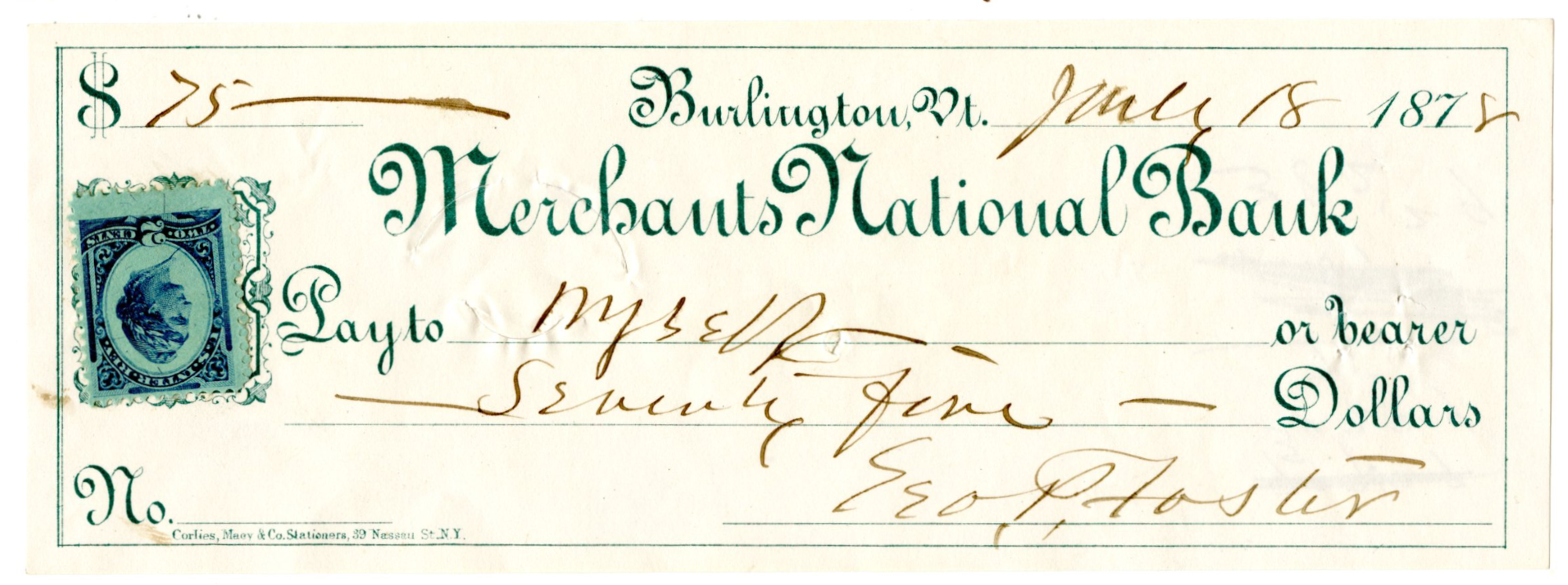
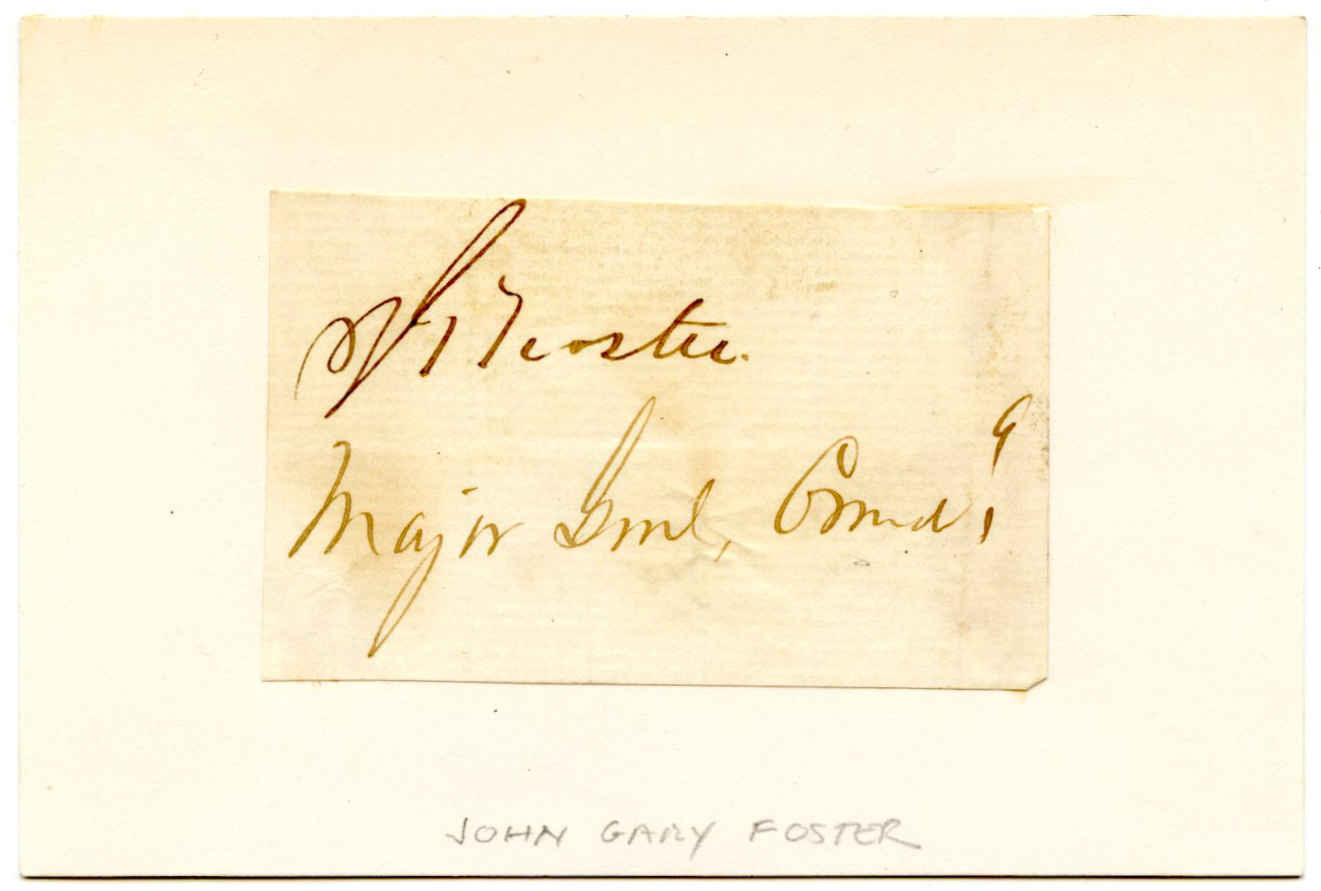
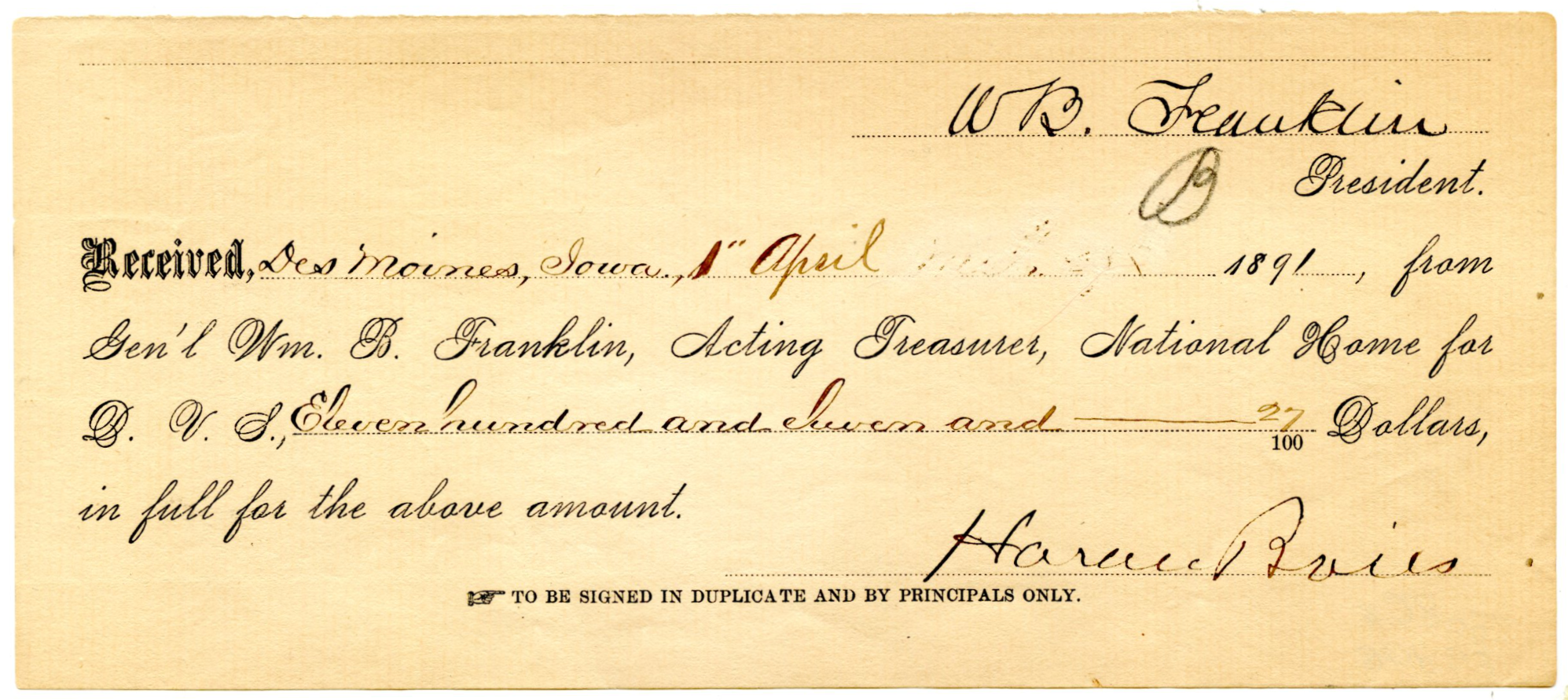

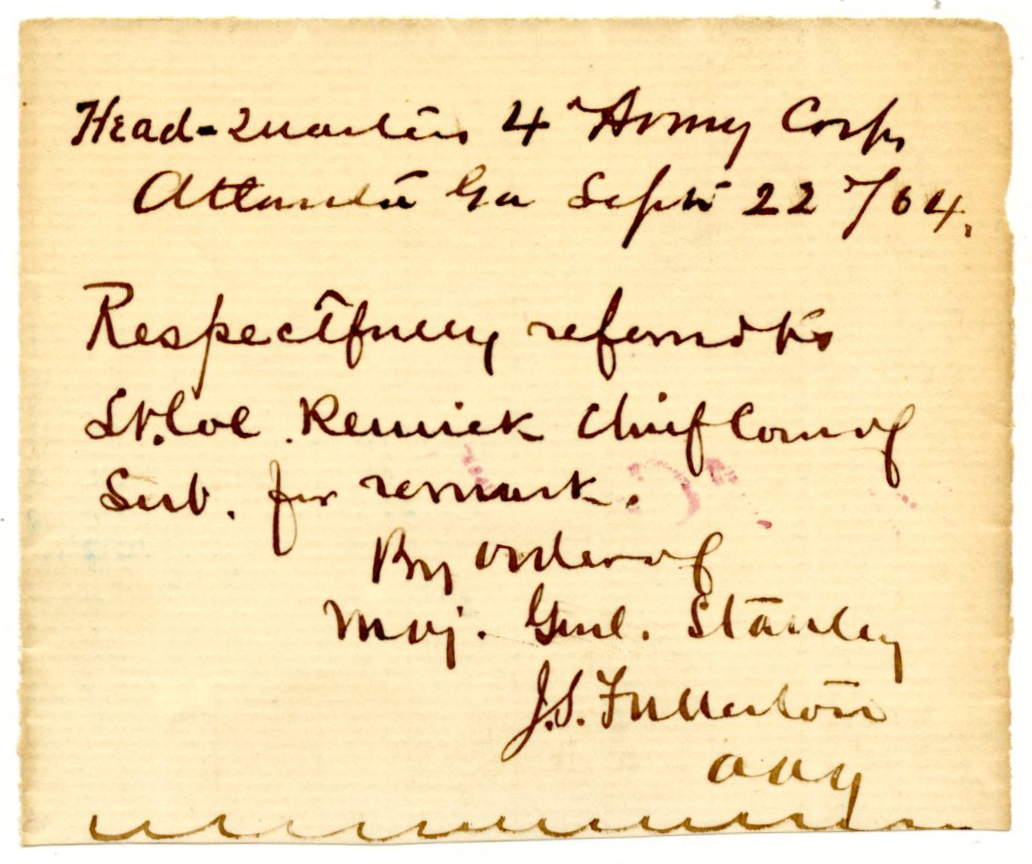
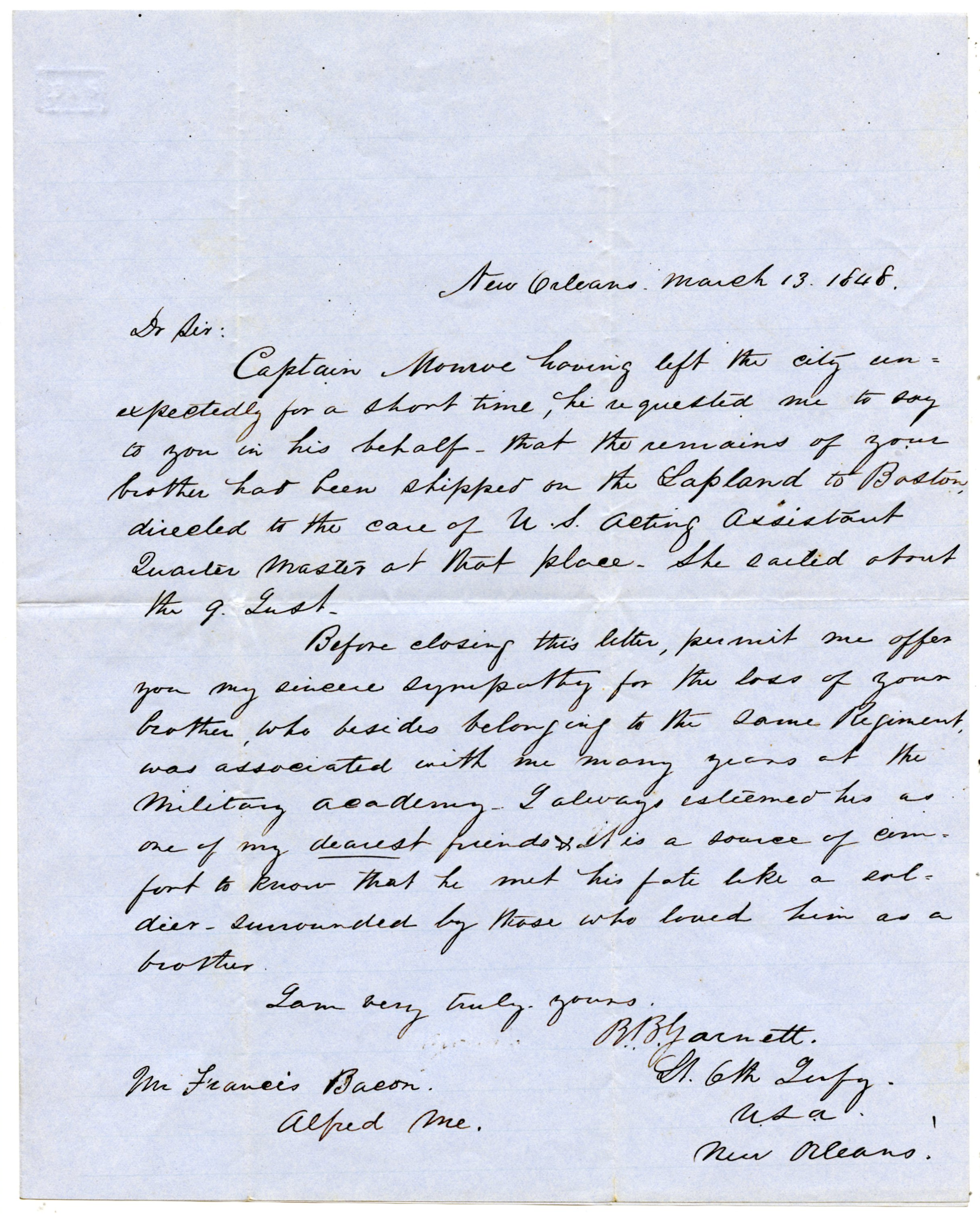
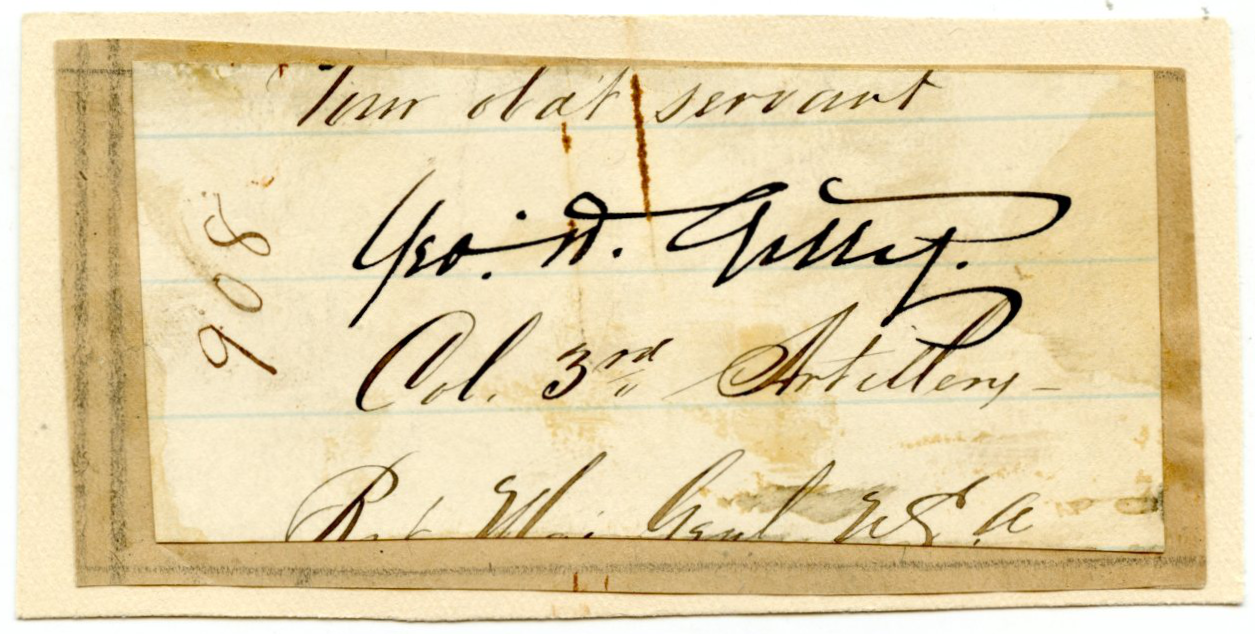

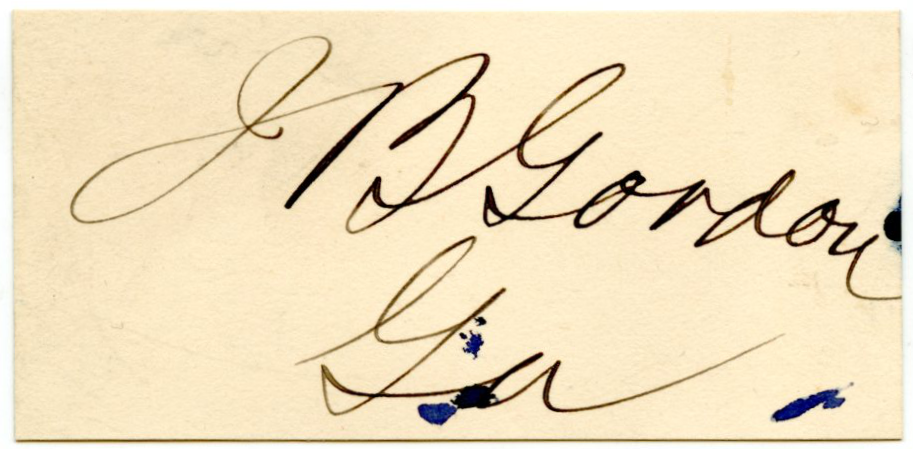
-1999.png)
-1999.png)
-1999.png)
-902.png)
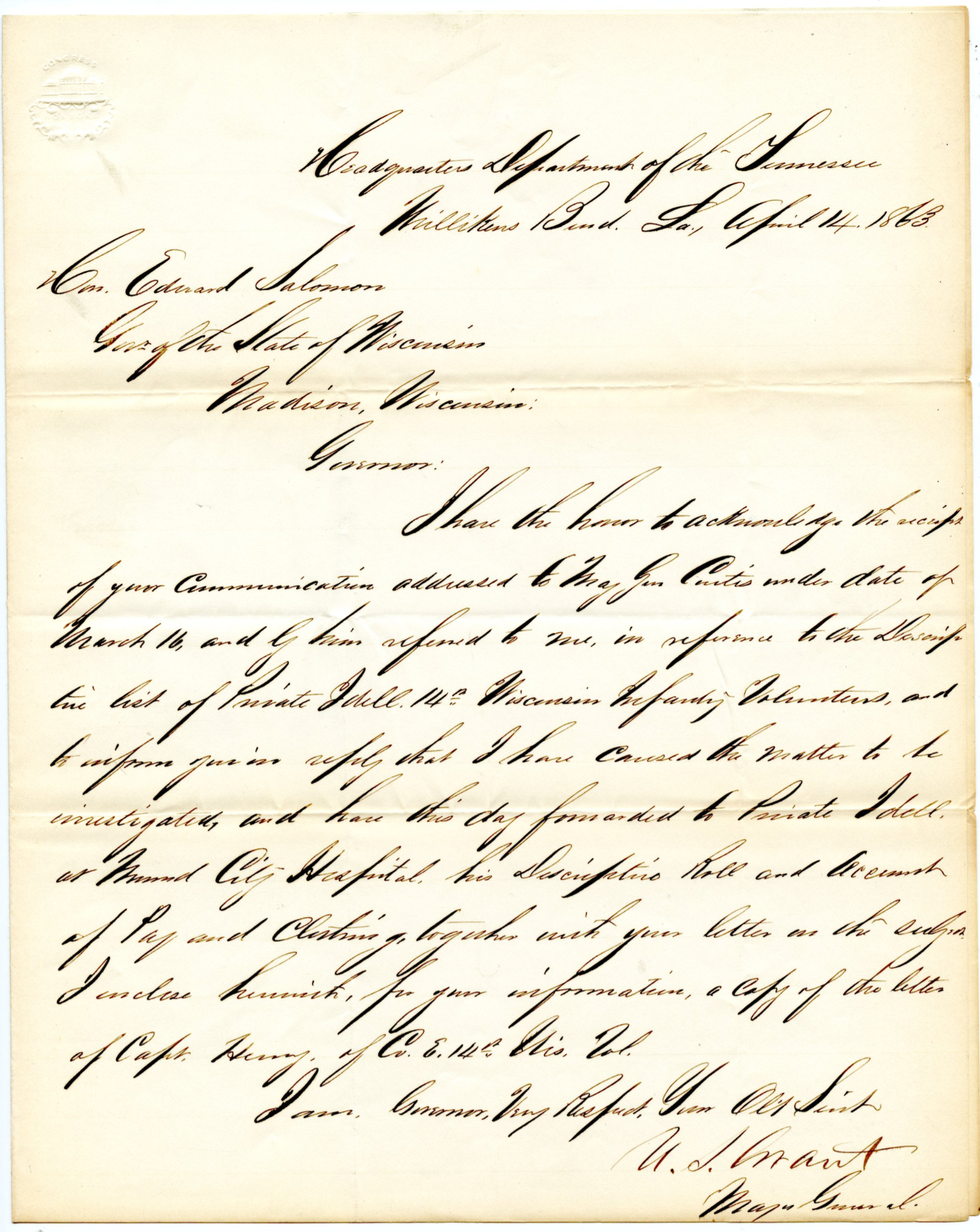
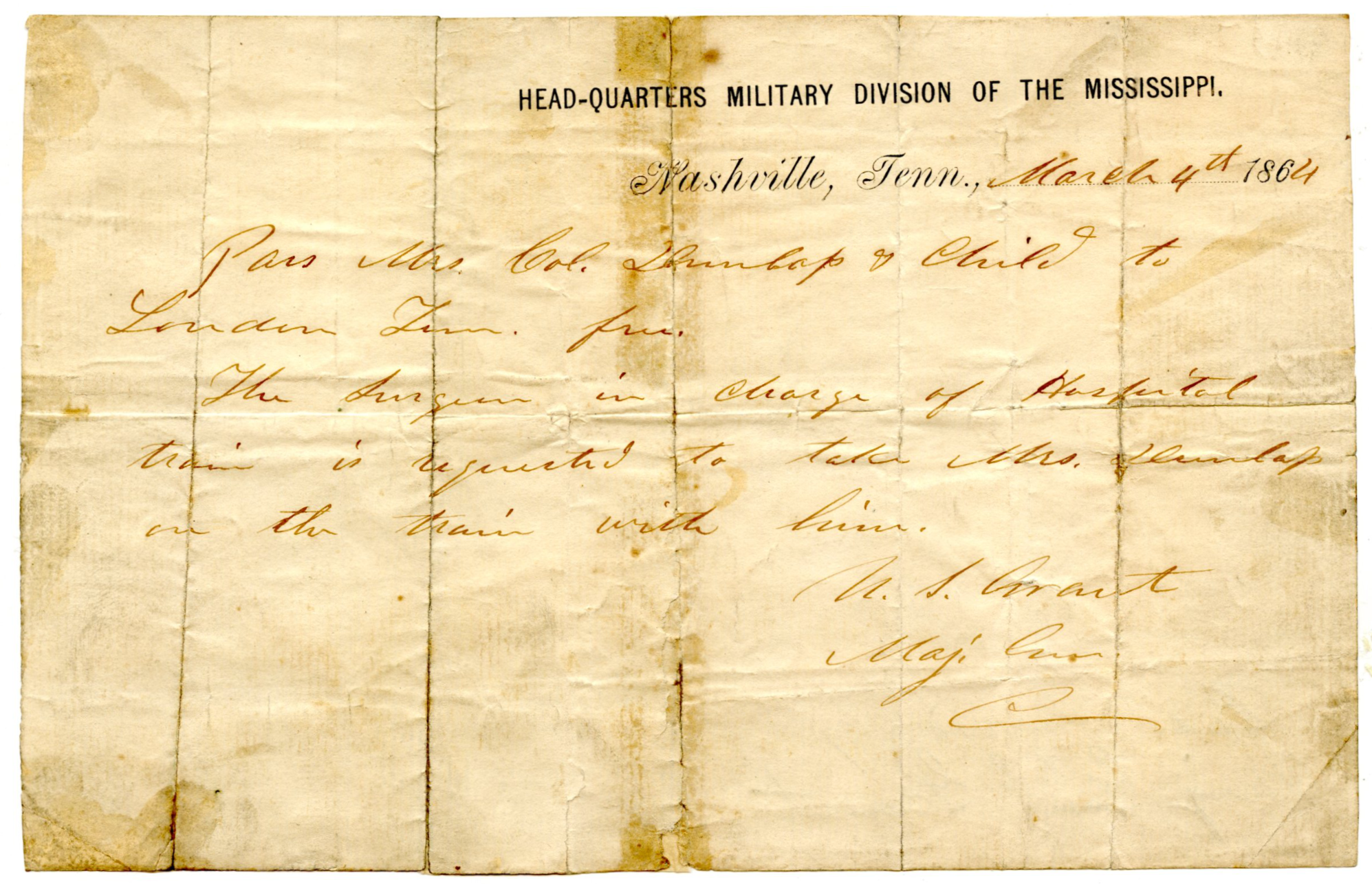
-1995.png)
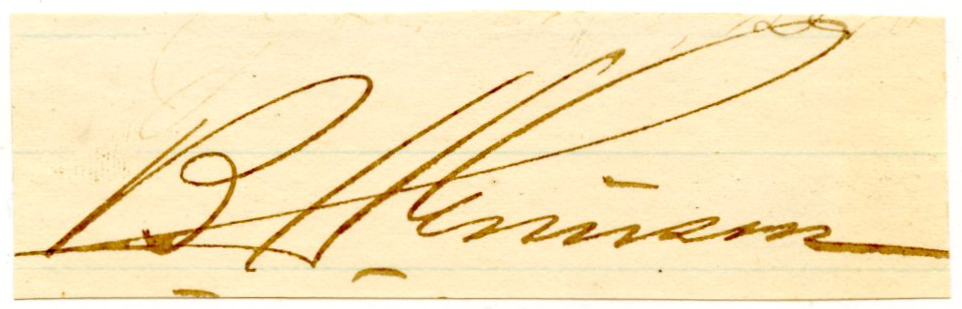
-1999.png)
-1999.png)
-1999.png)
-1999.png)
-1783.png)
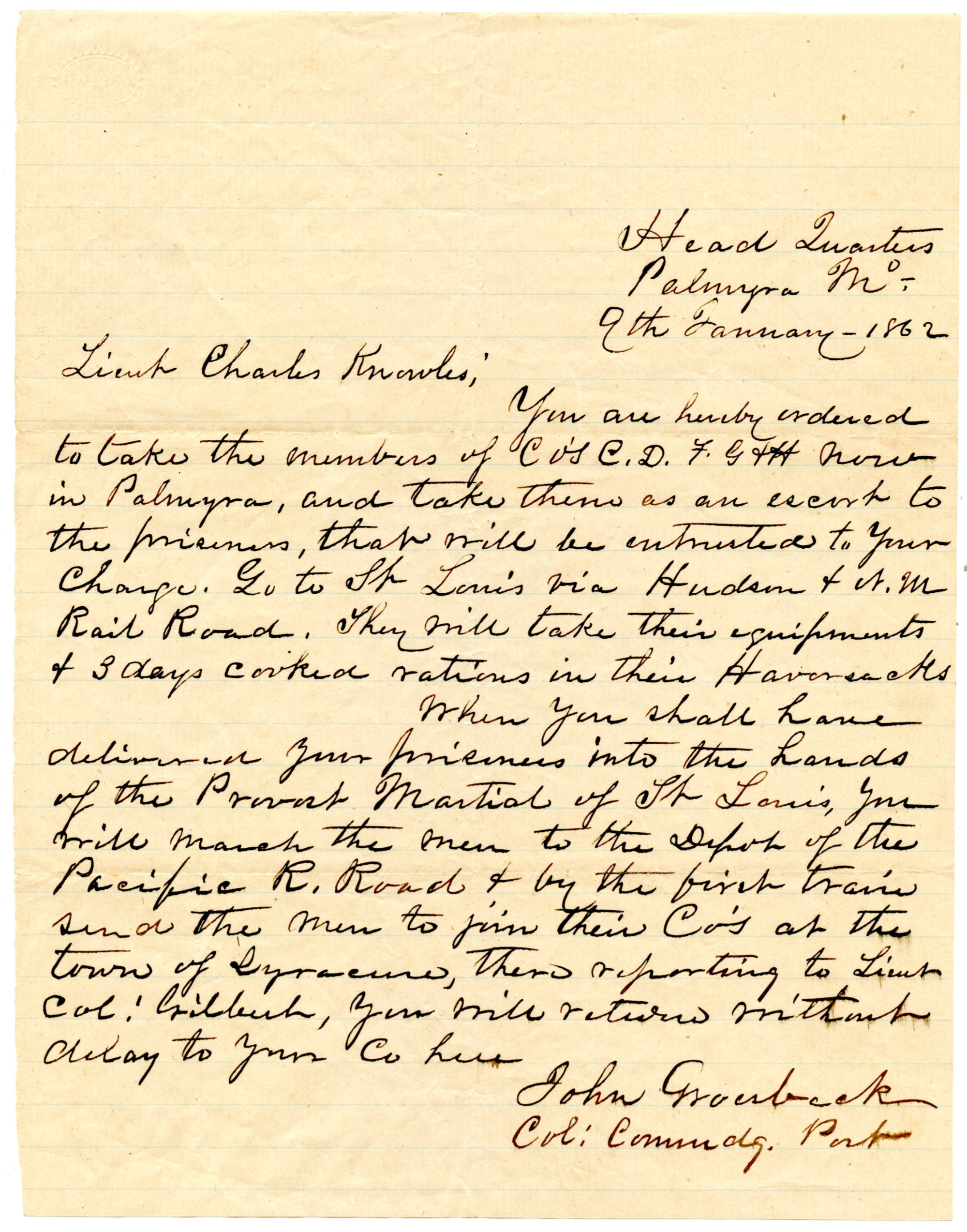
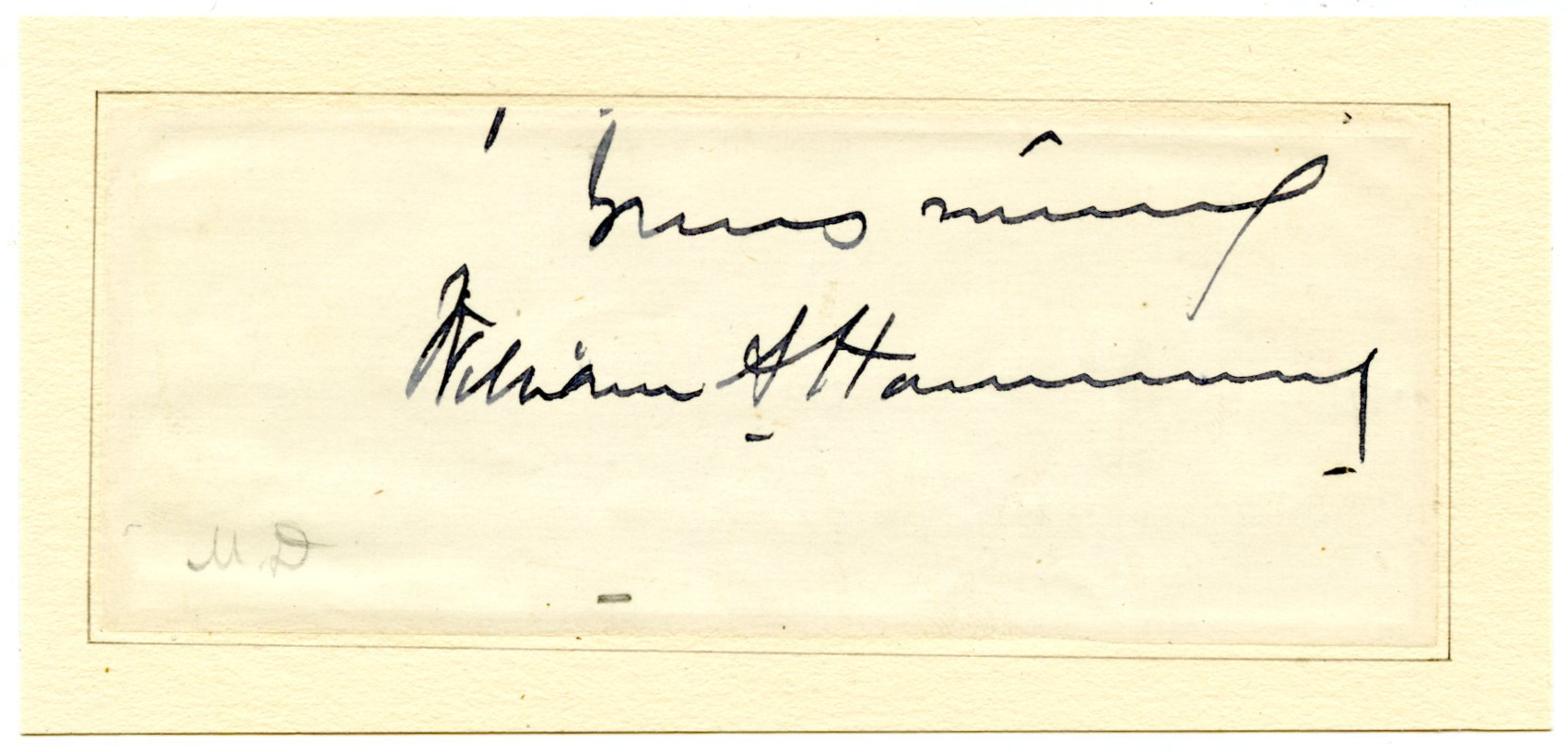
-1999.png)
-1999.png)
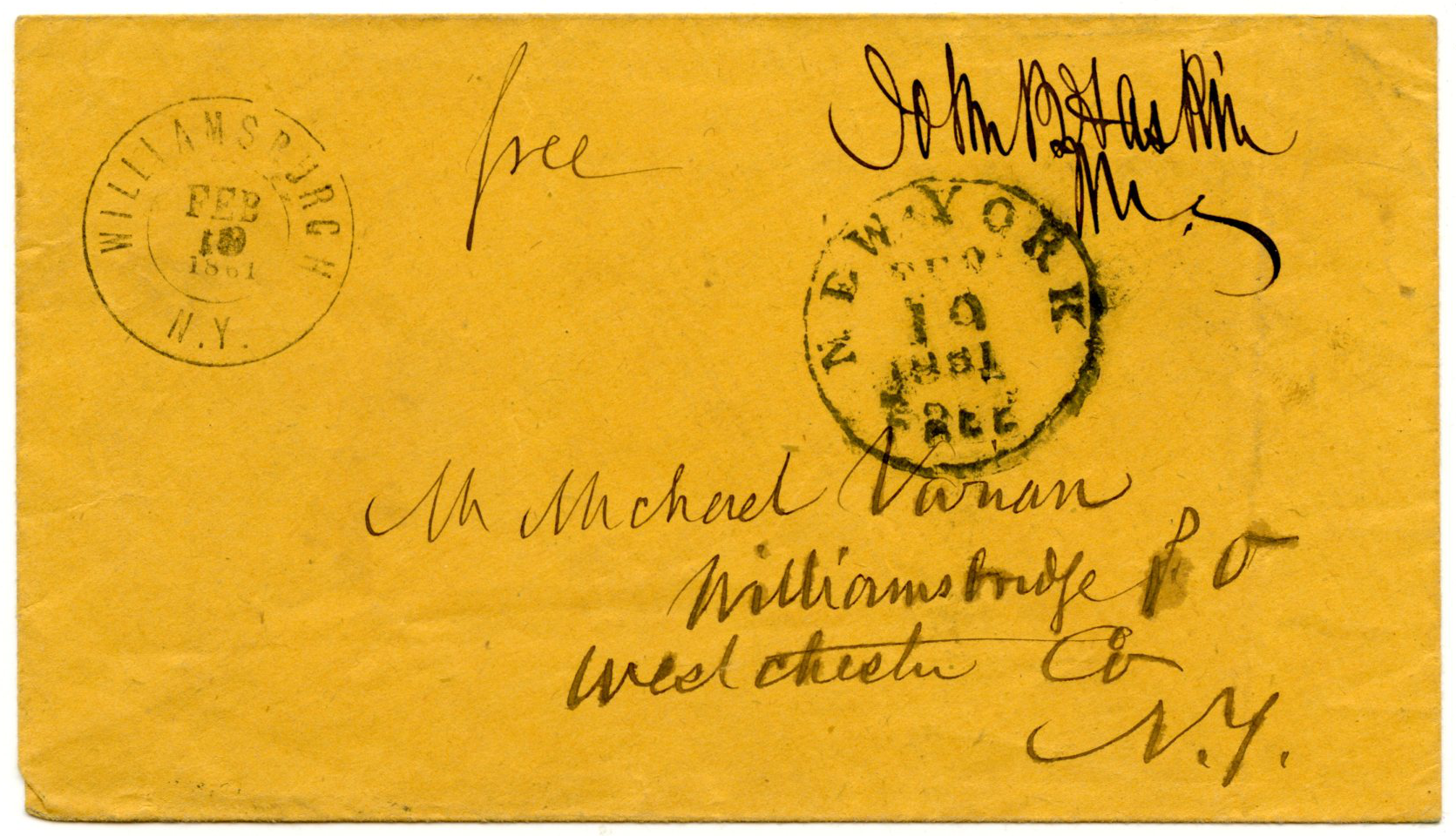
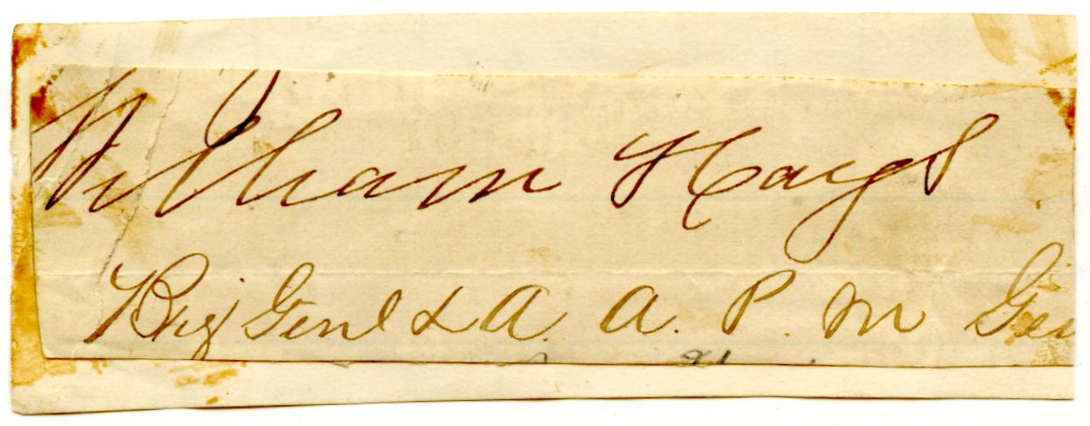

-1216.png)
-1232.png)
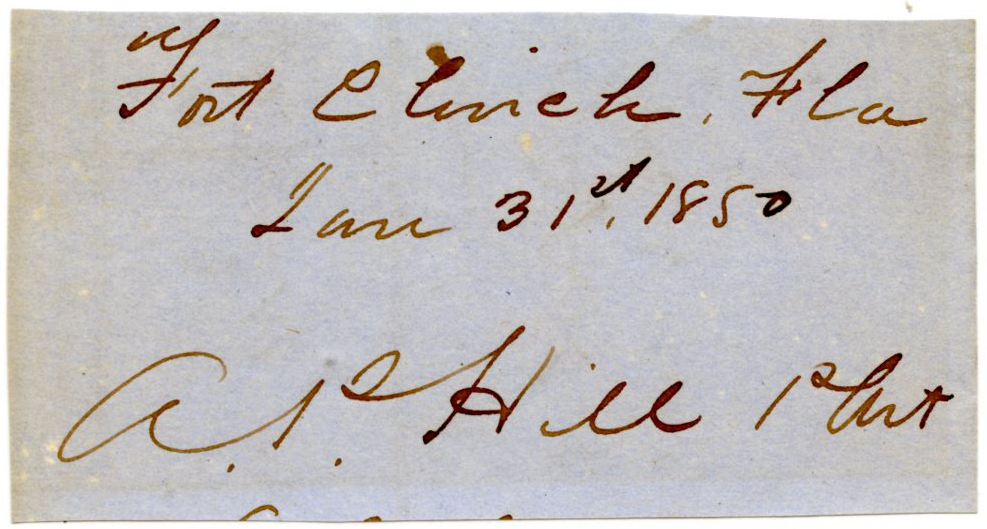
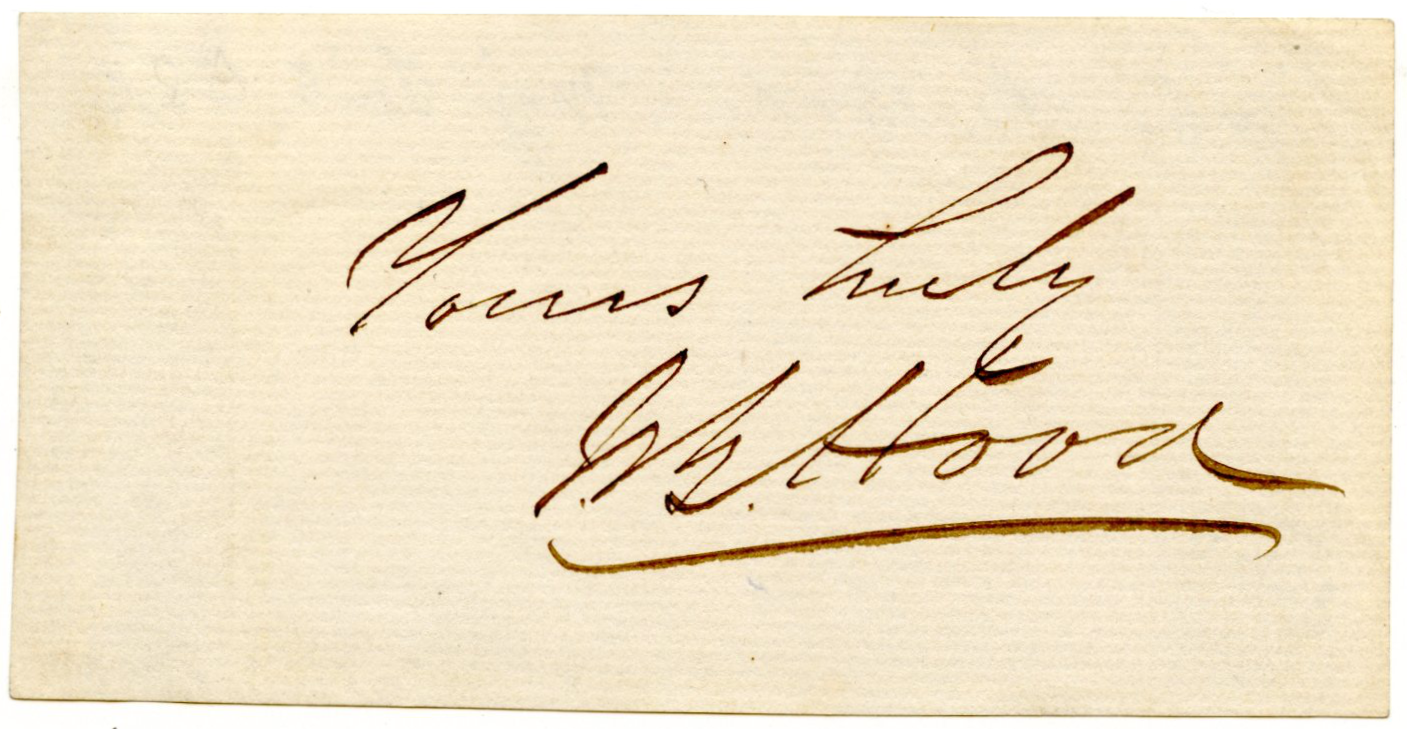
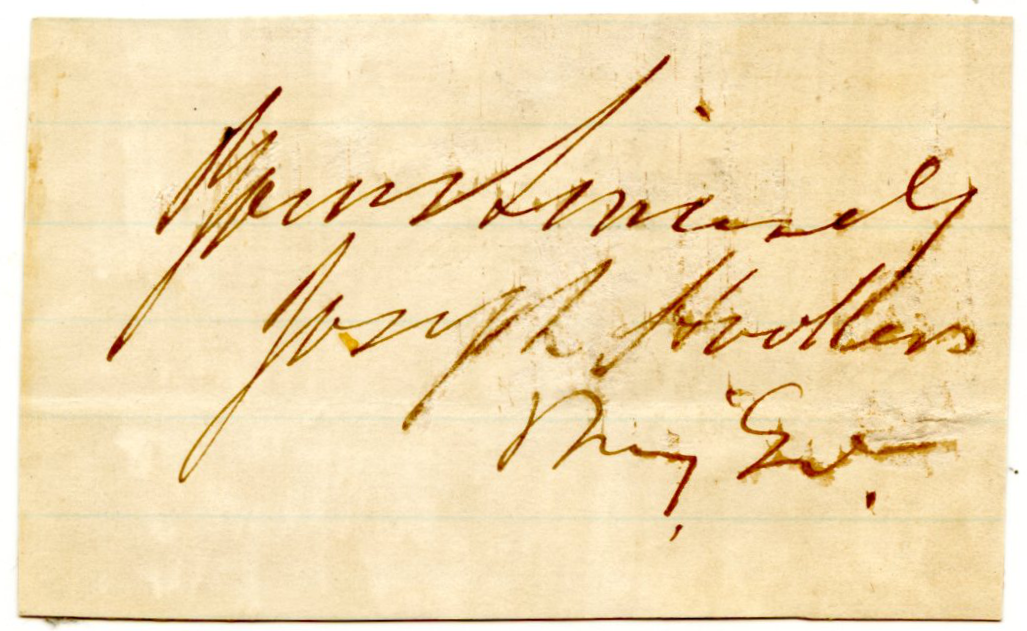
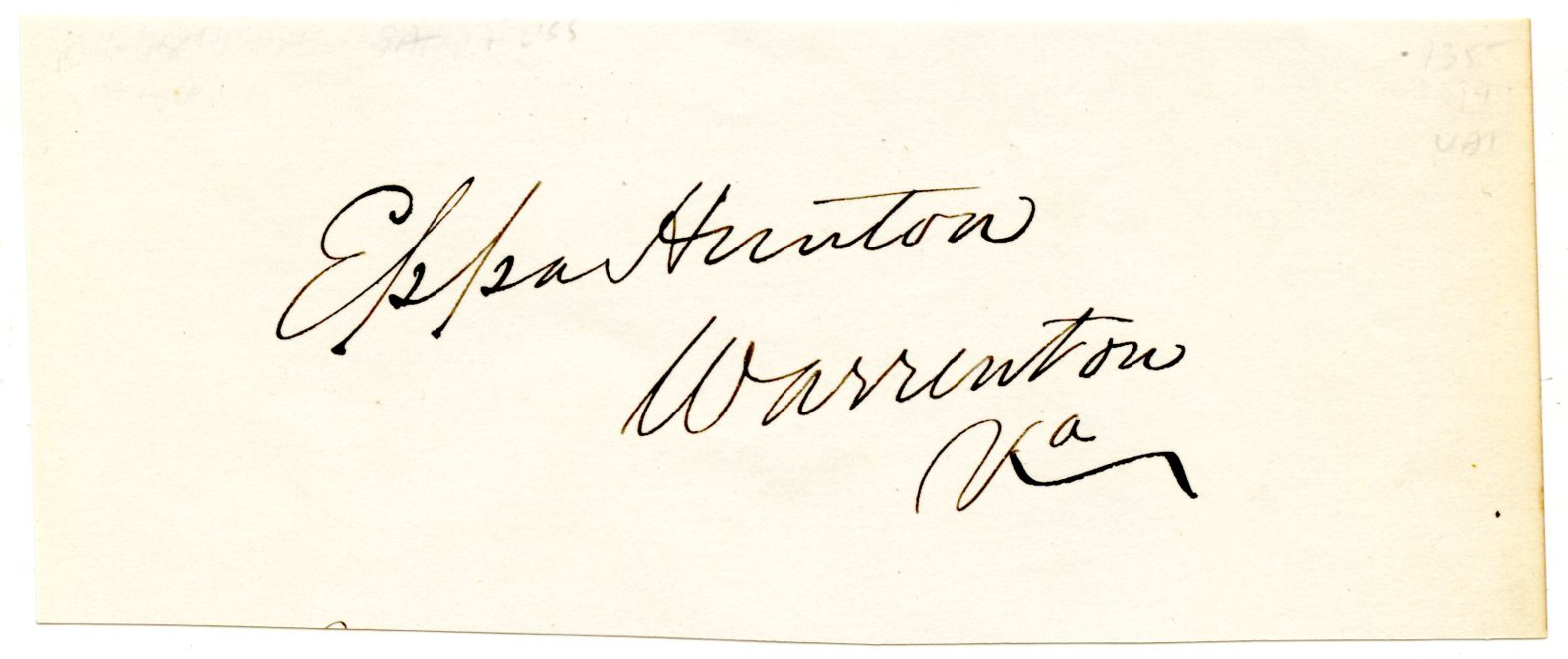
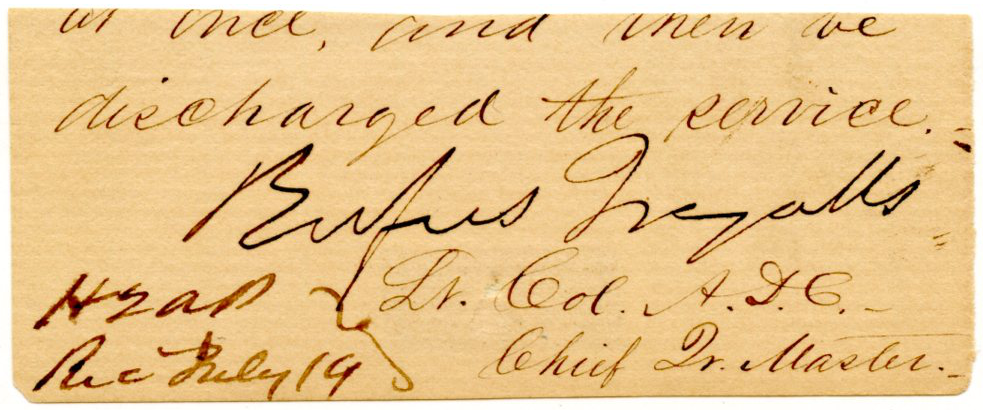
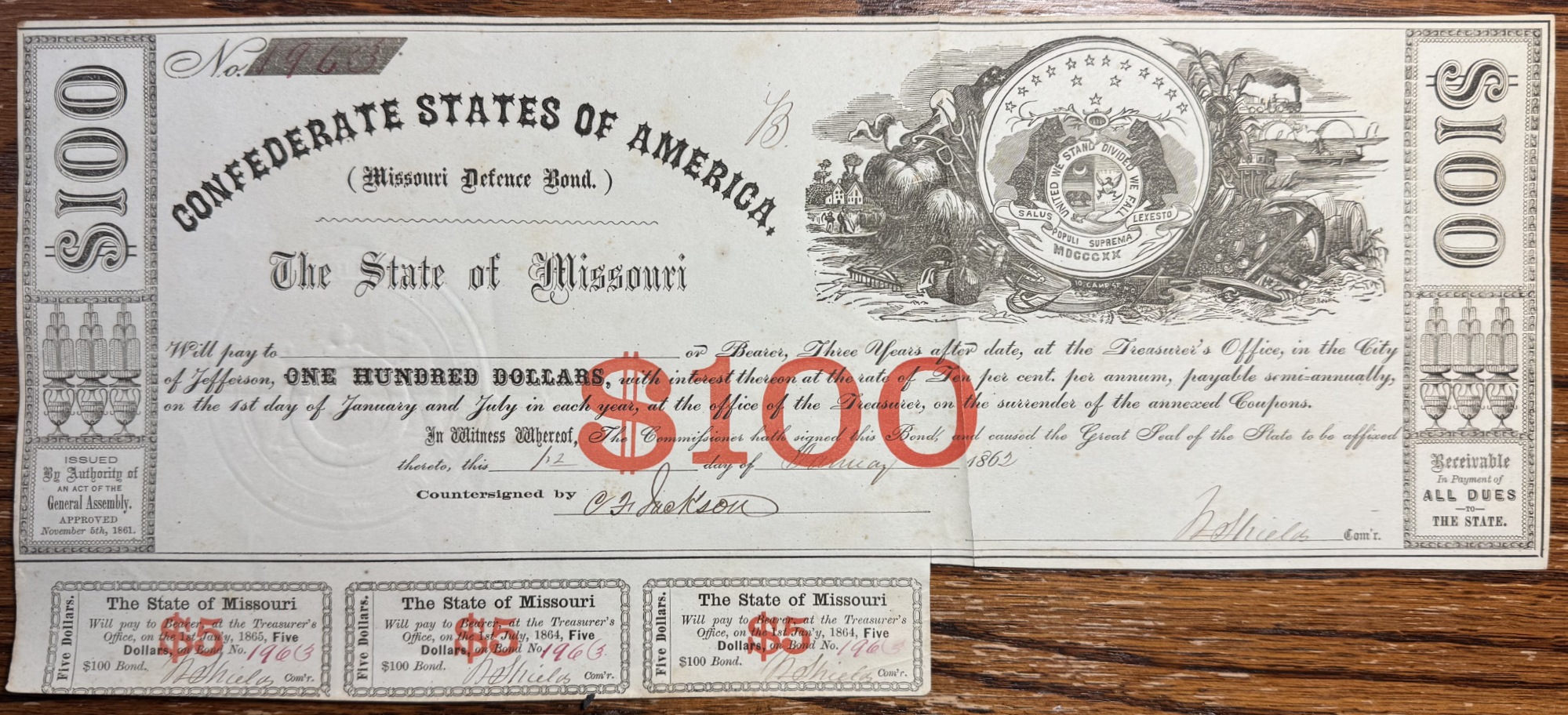
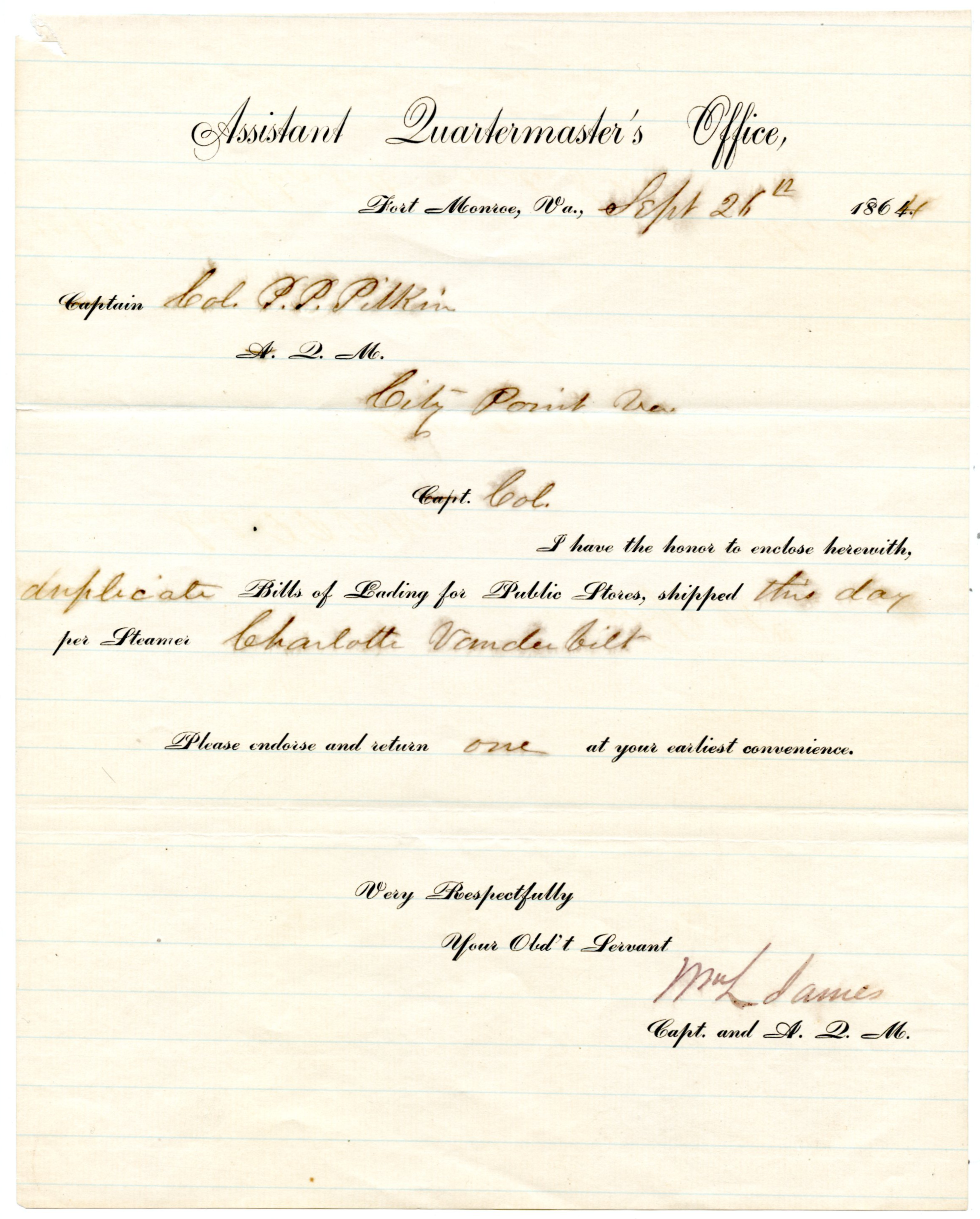
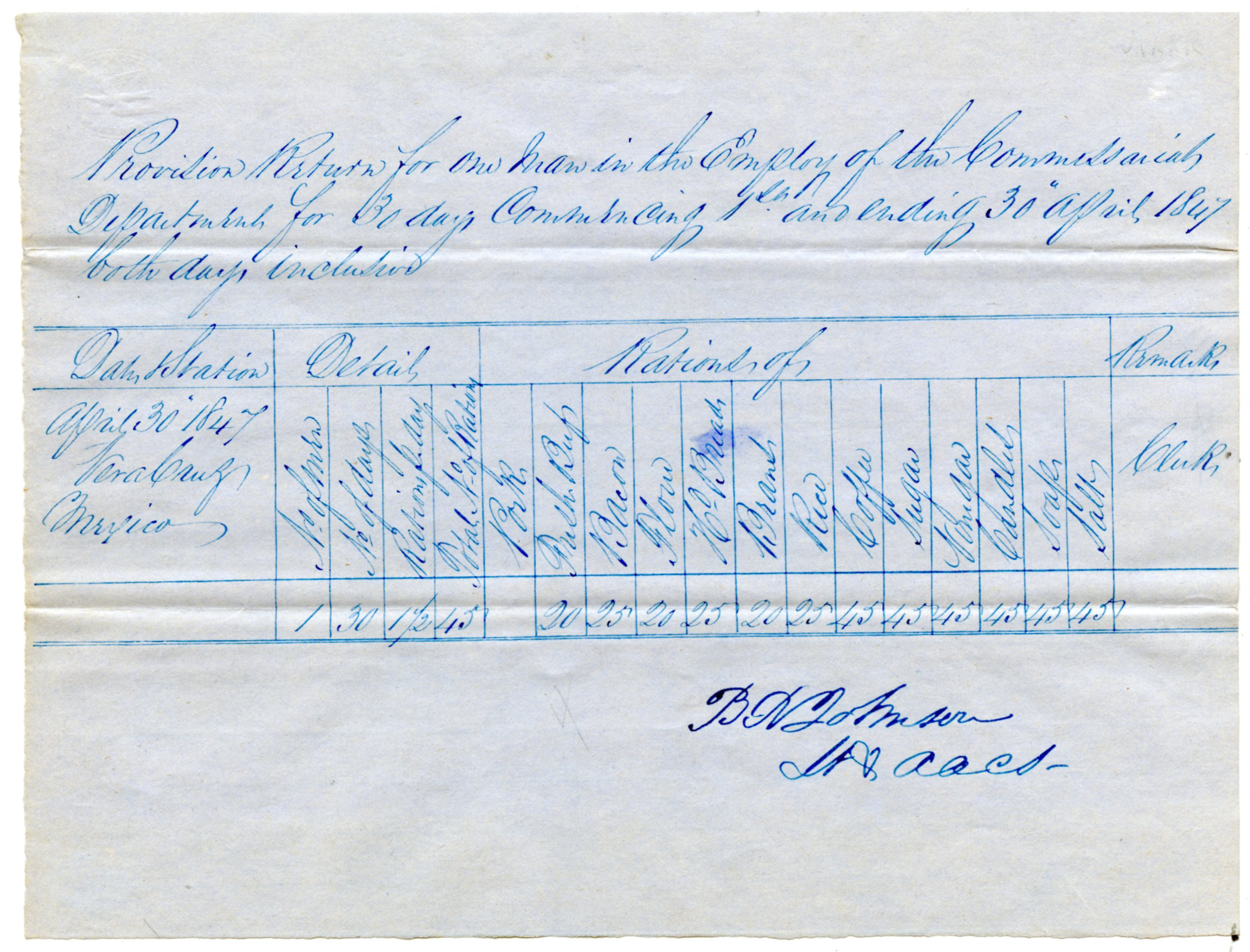

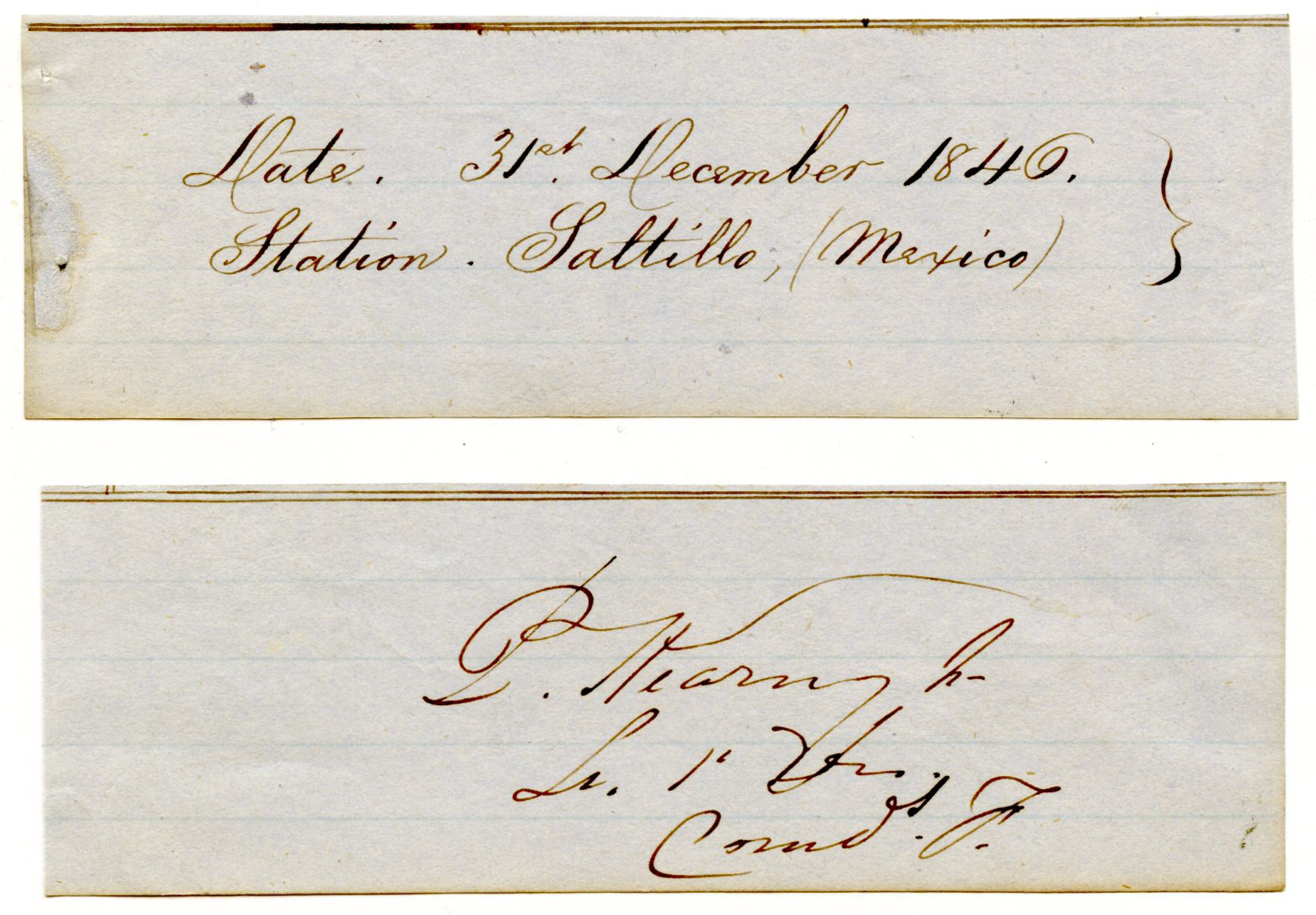

-1084.png)
-1086.png)
-1995.png)
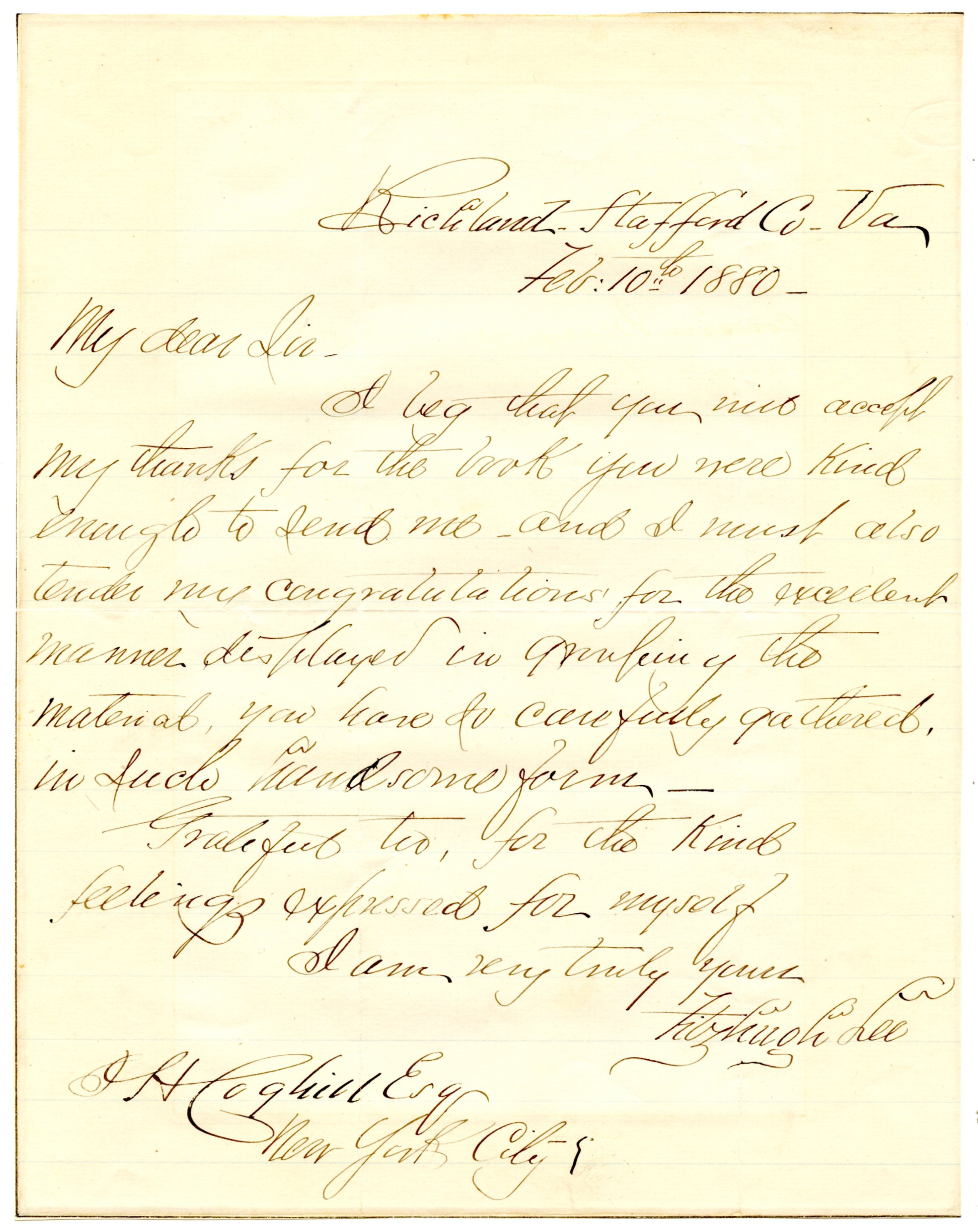
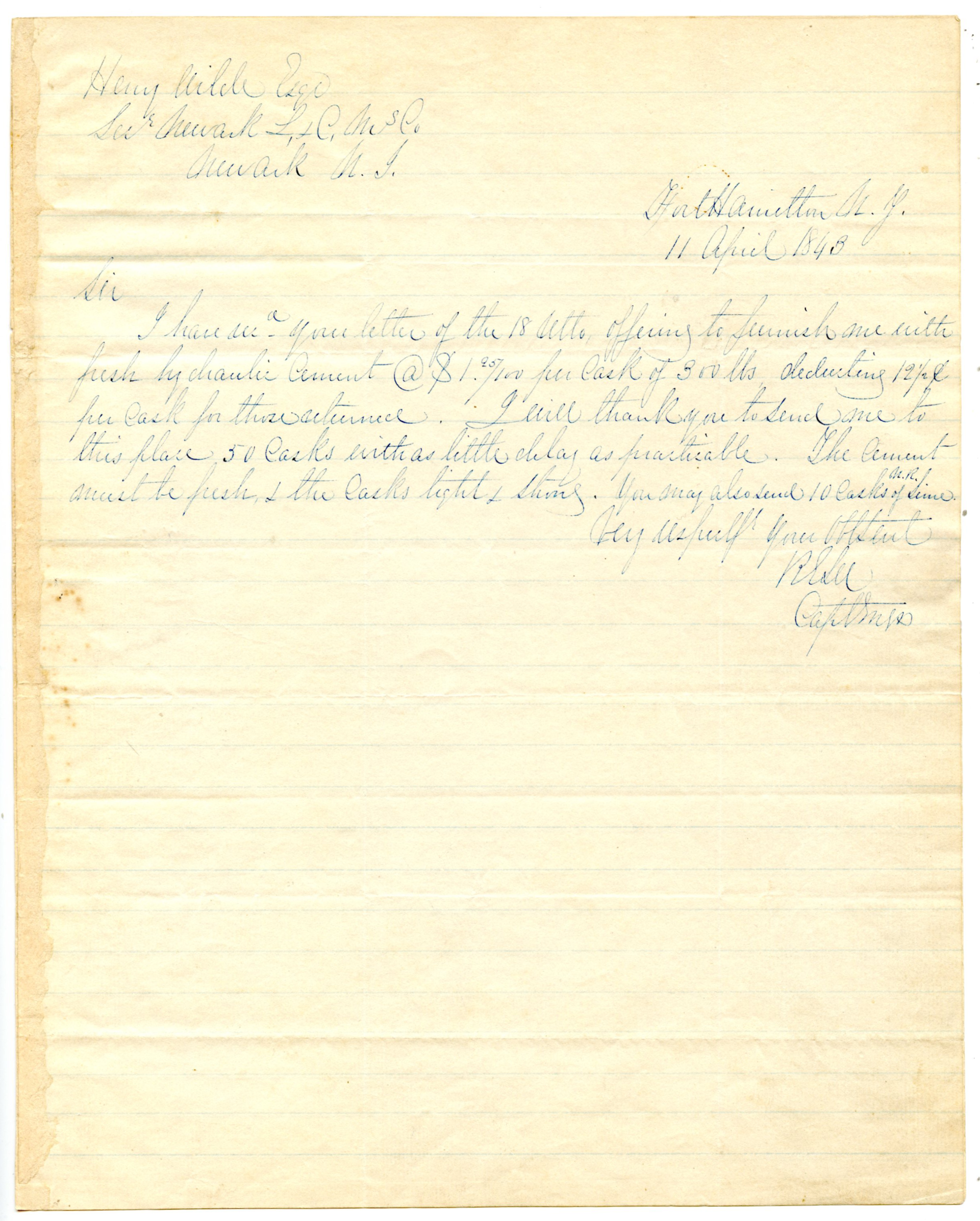
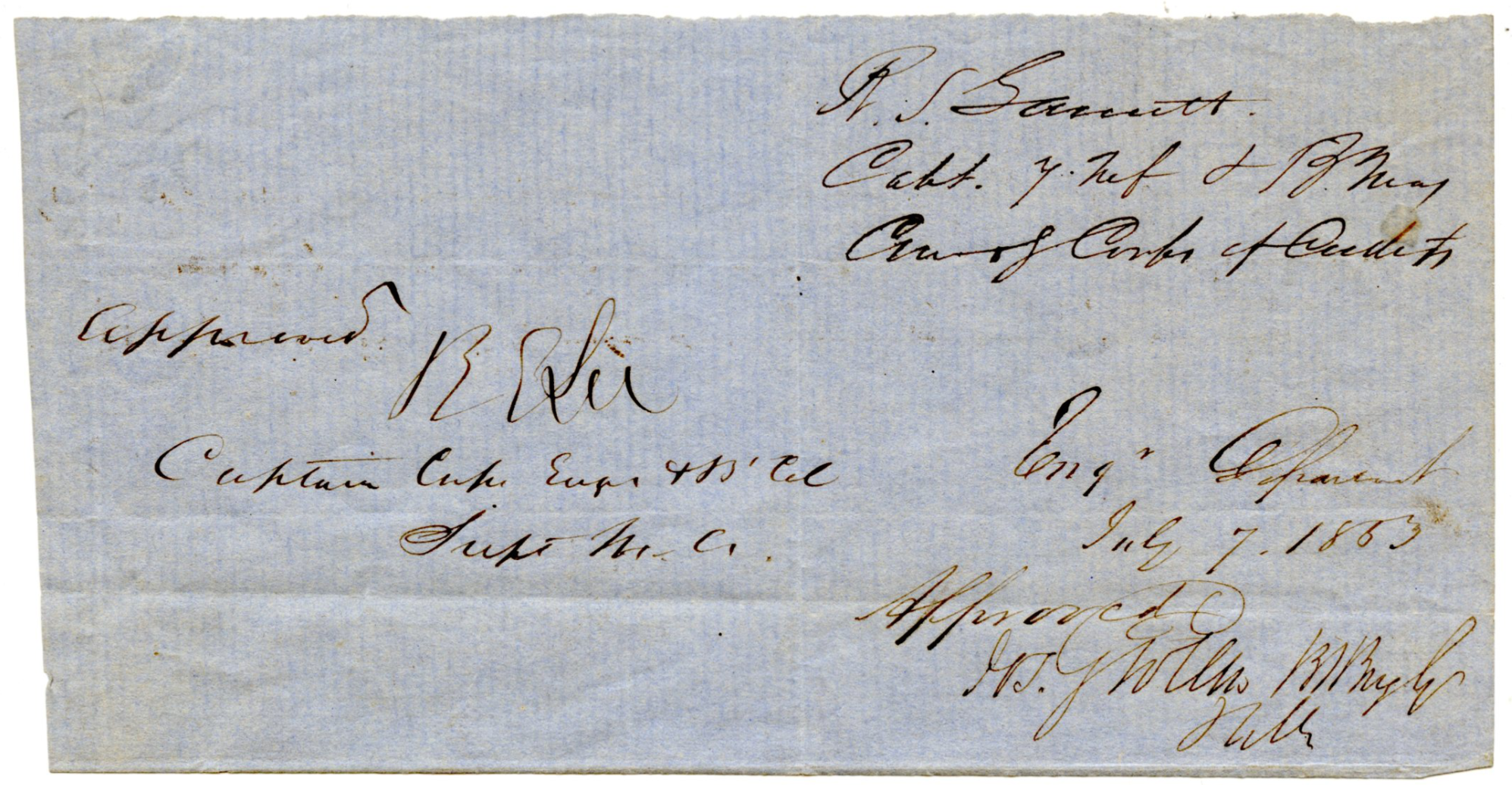
-1995.png)
-1995.png)
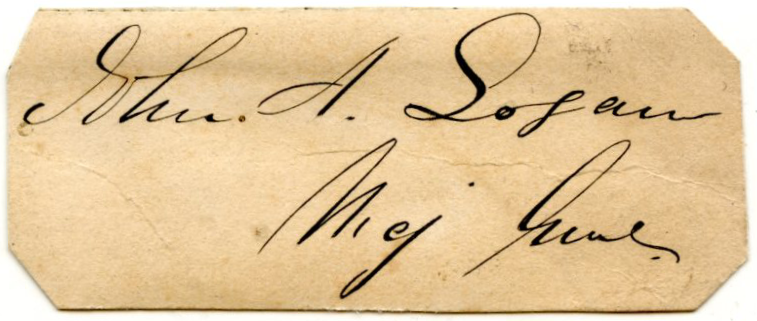
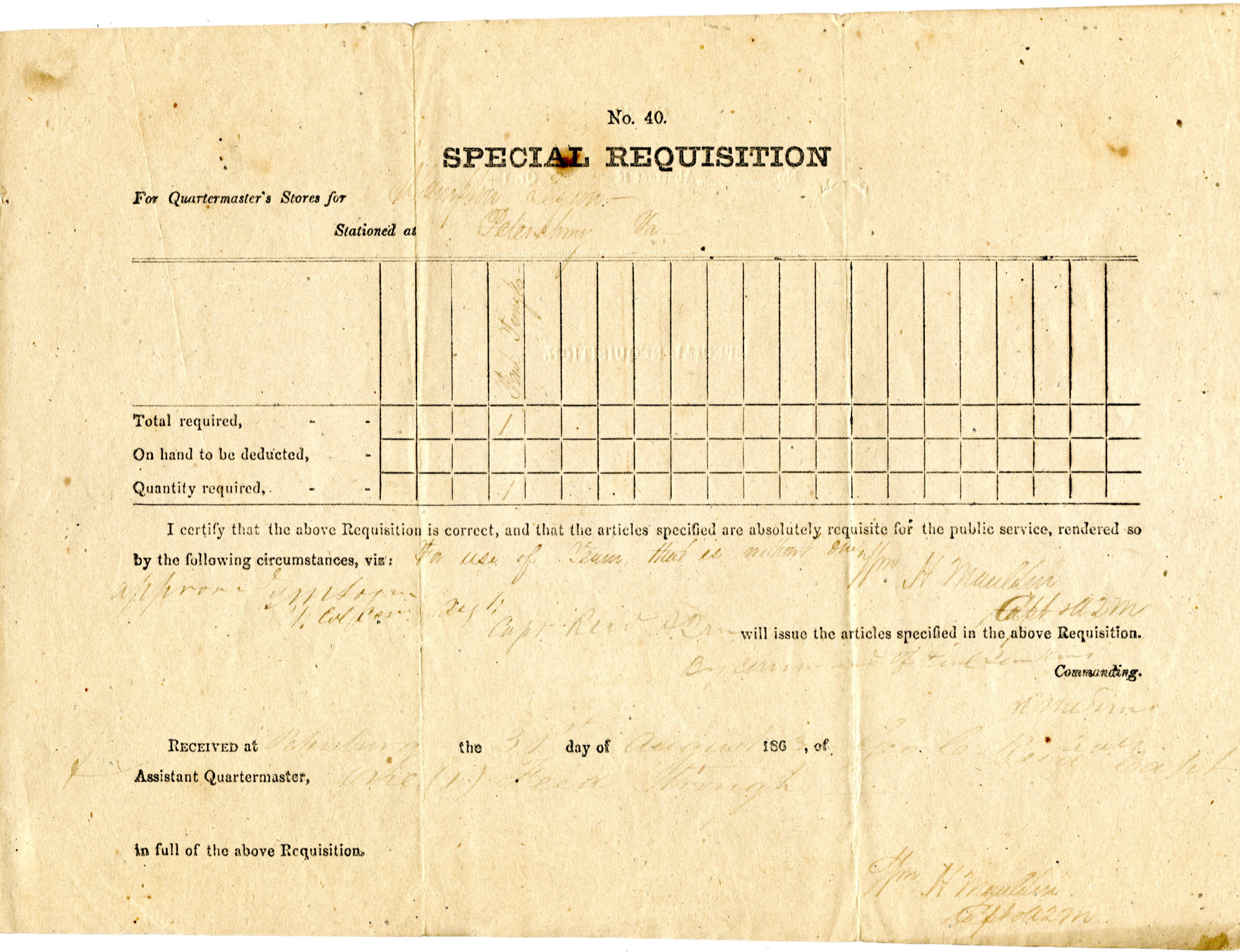
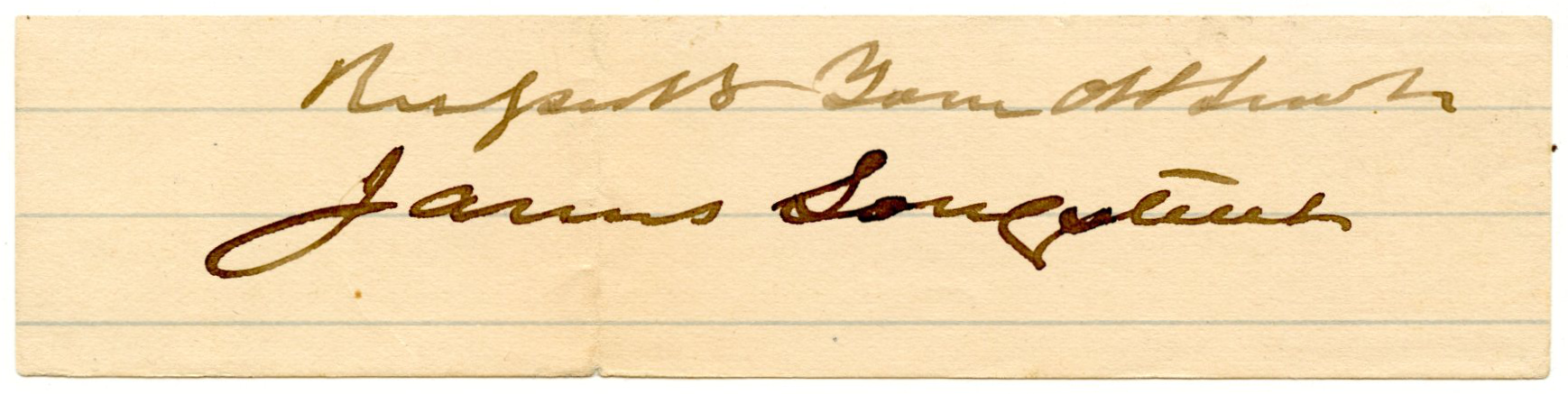
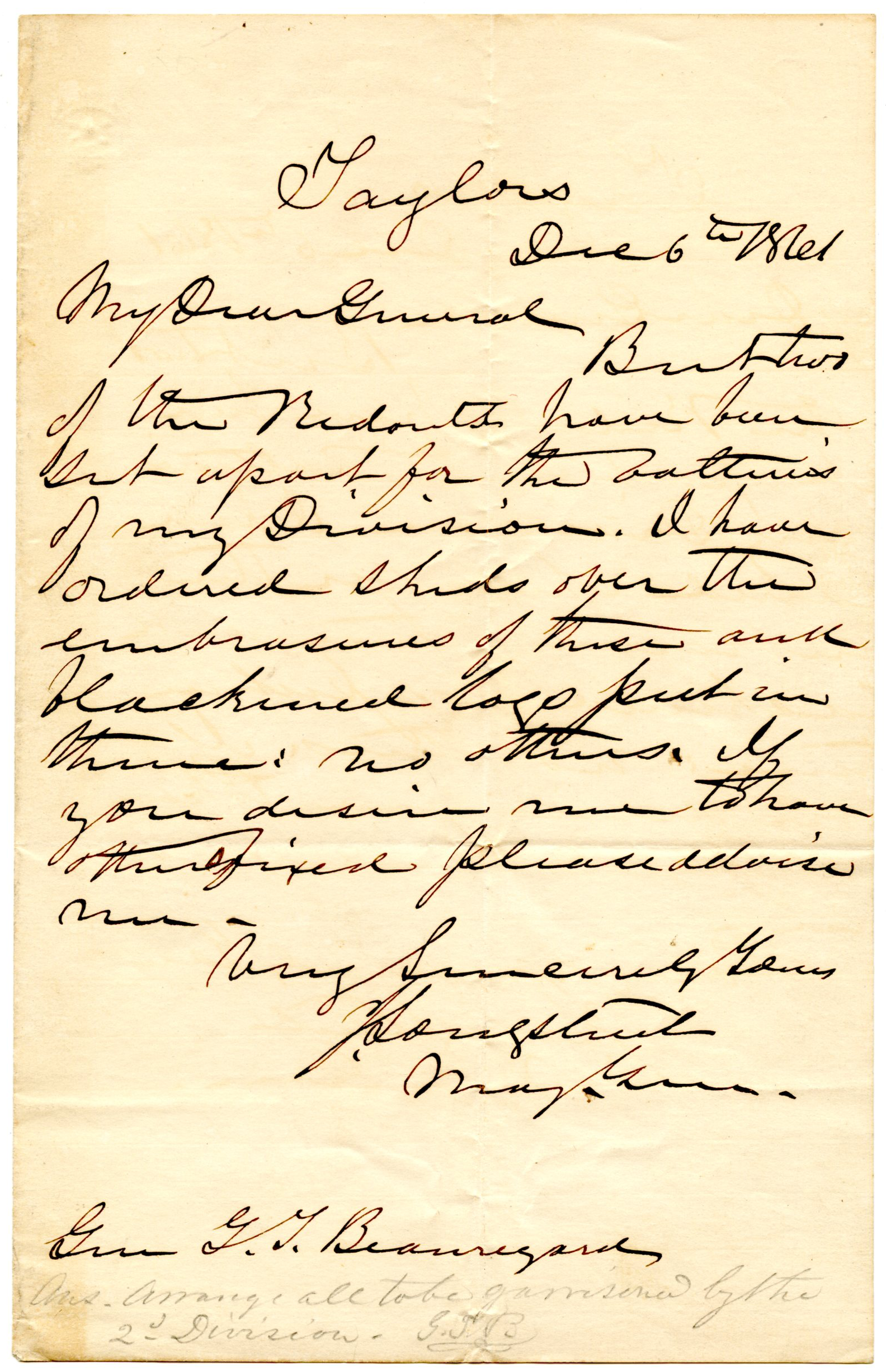
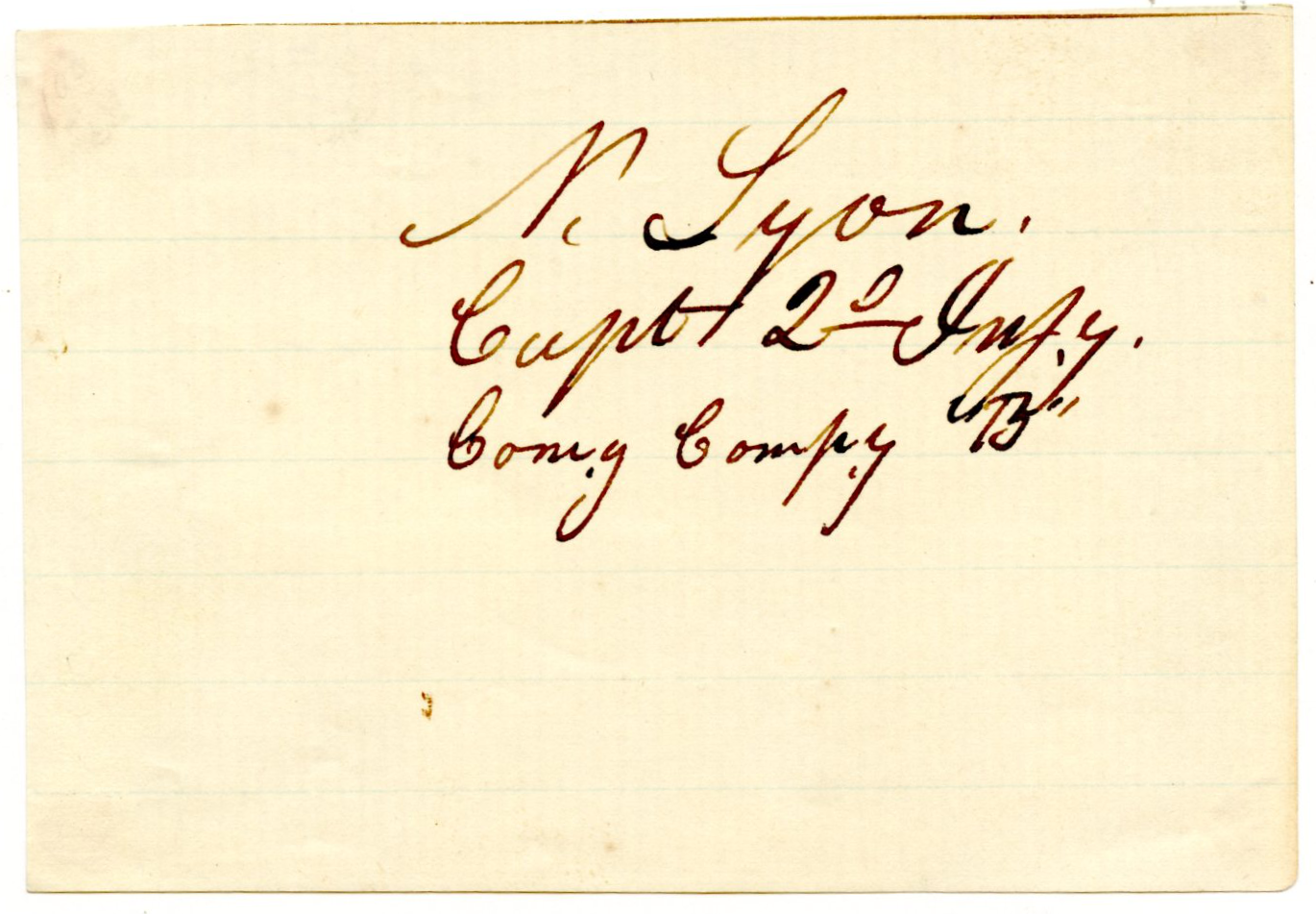
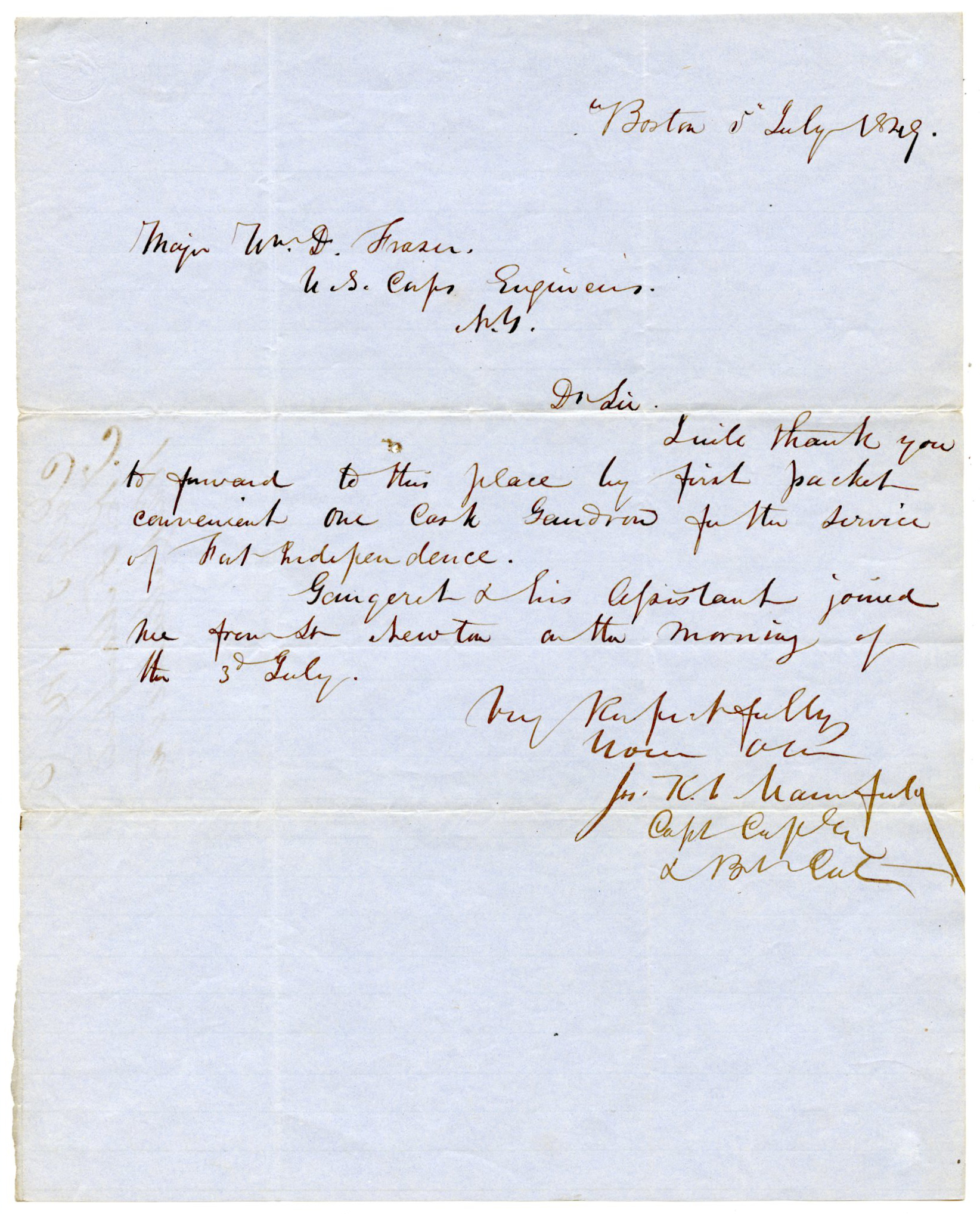
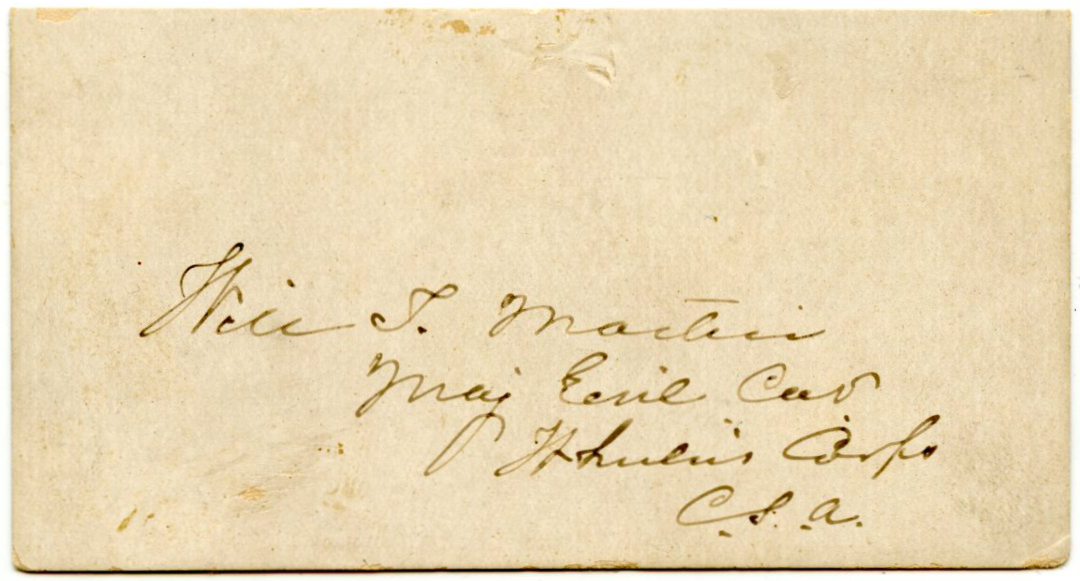
-937.png)
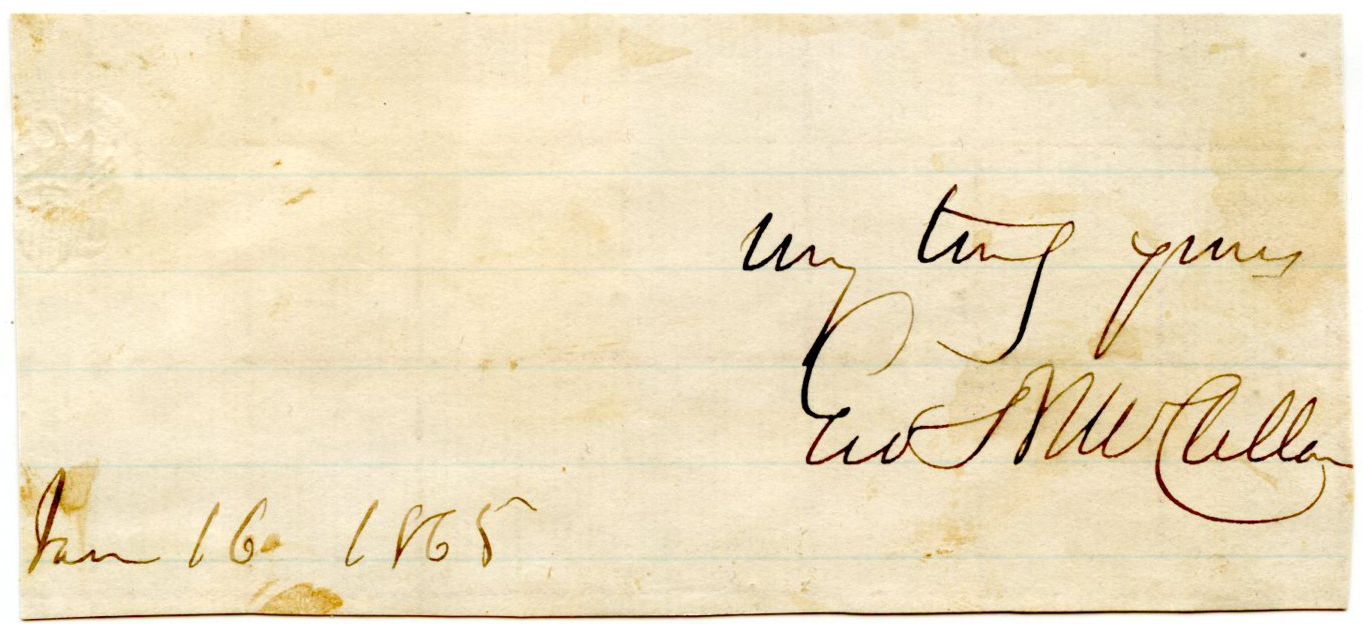
-1396.png)
-1390.png)
-1995.png)
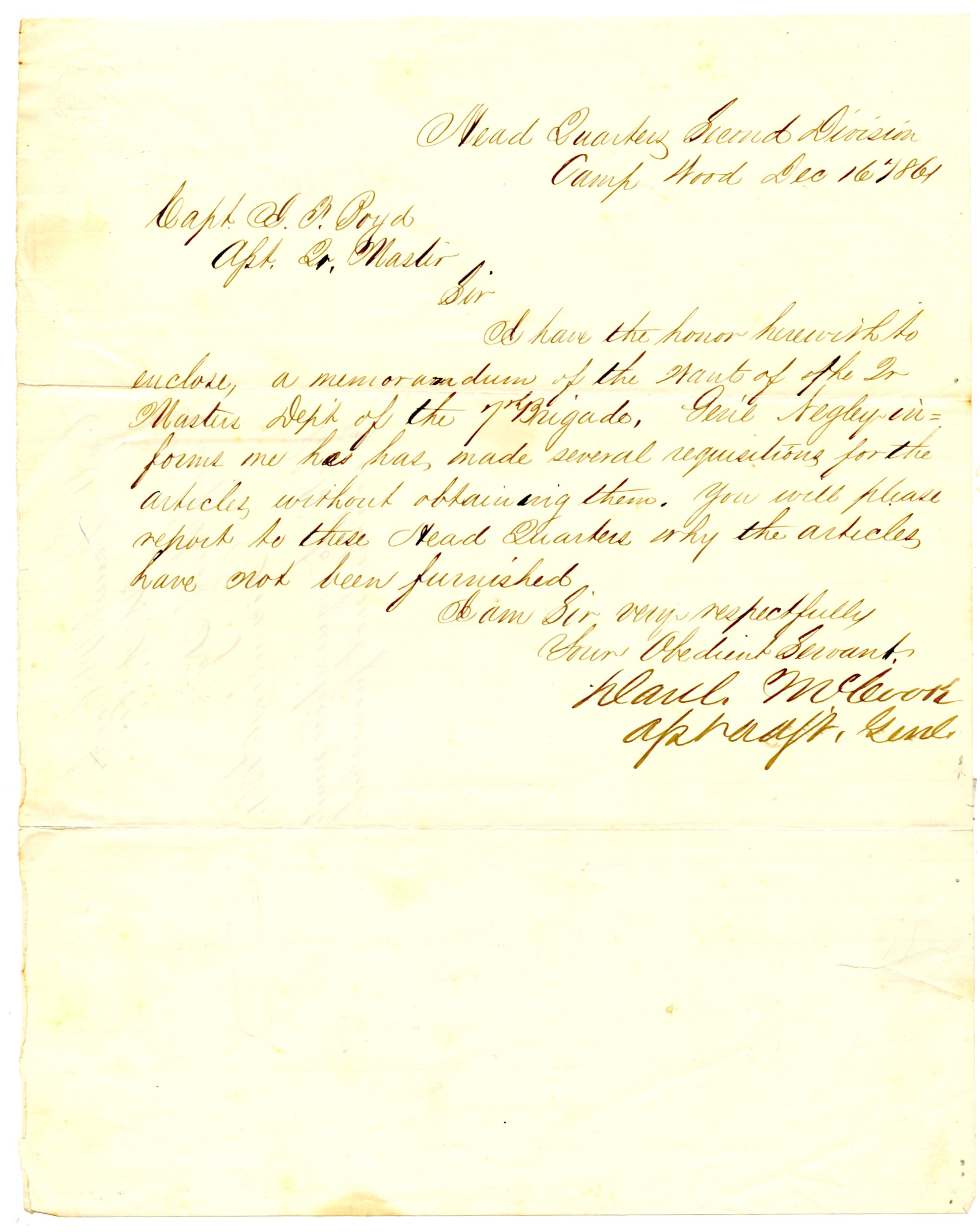
-1999.png)
-1522.png)
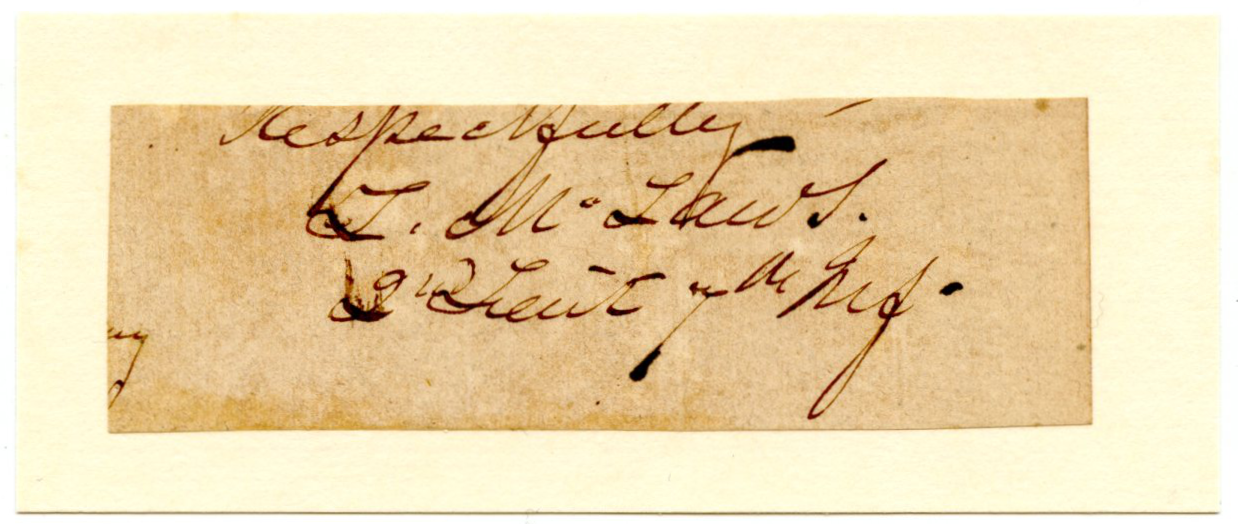
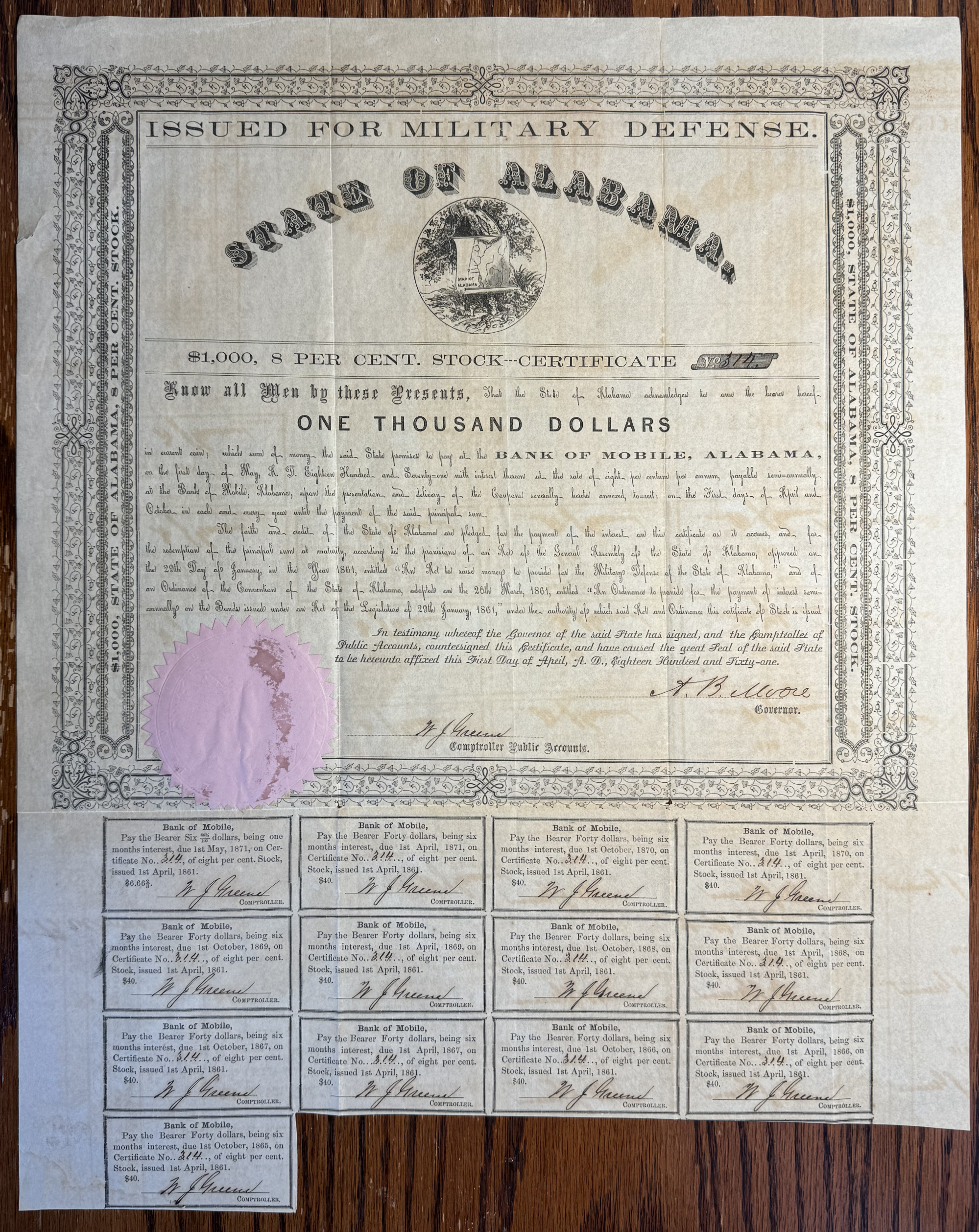
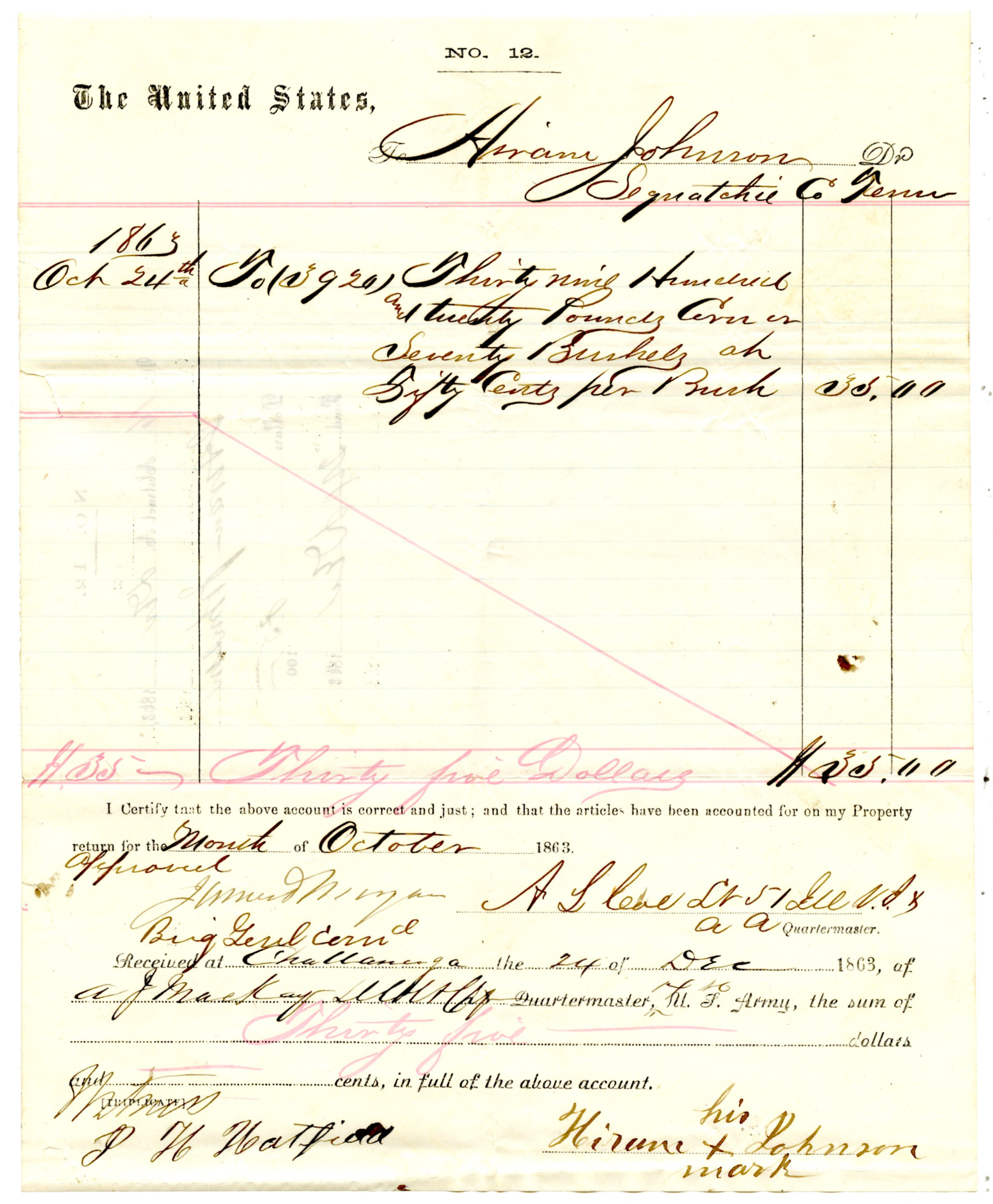
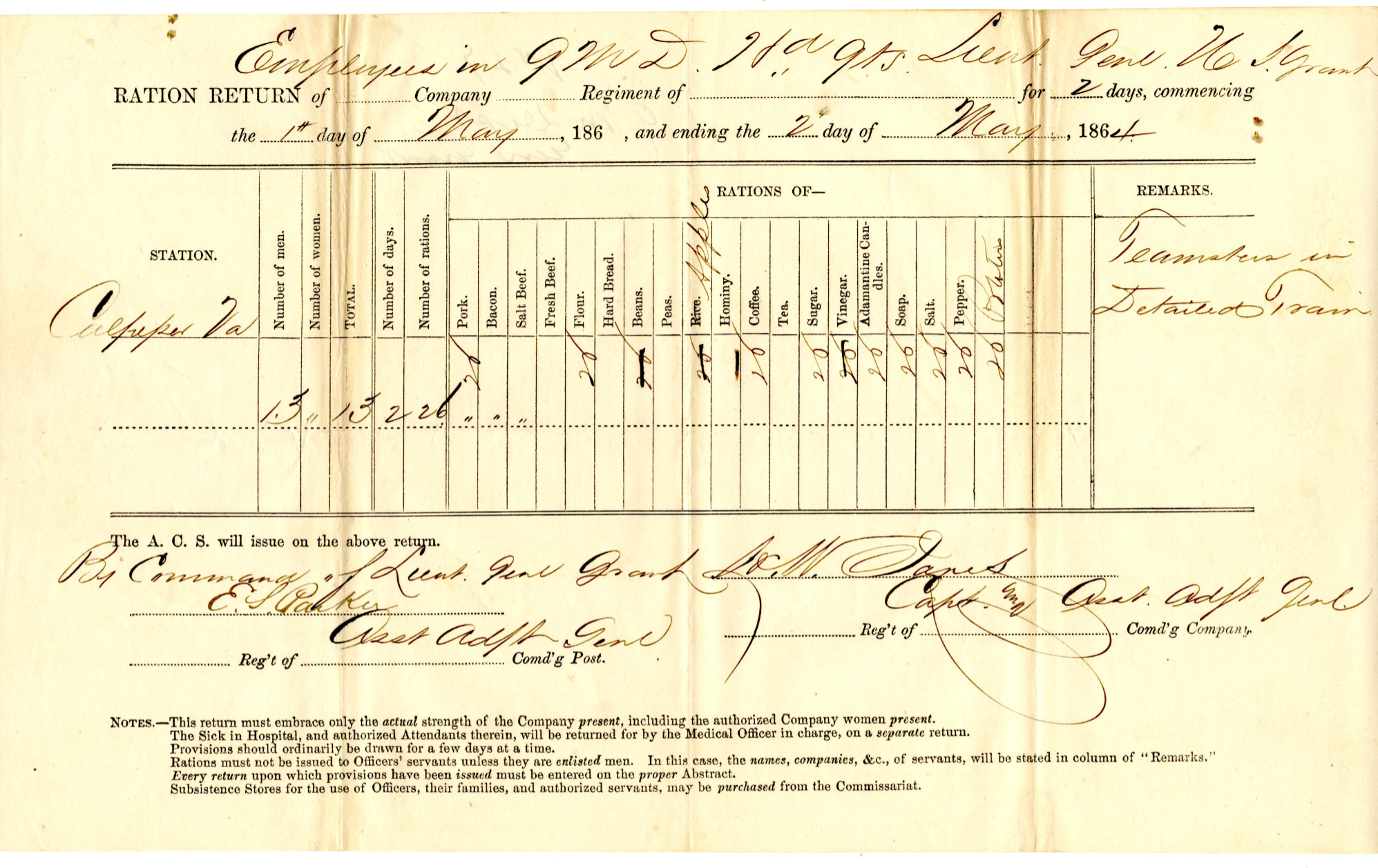
-1999.png)
-1999.png)
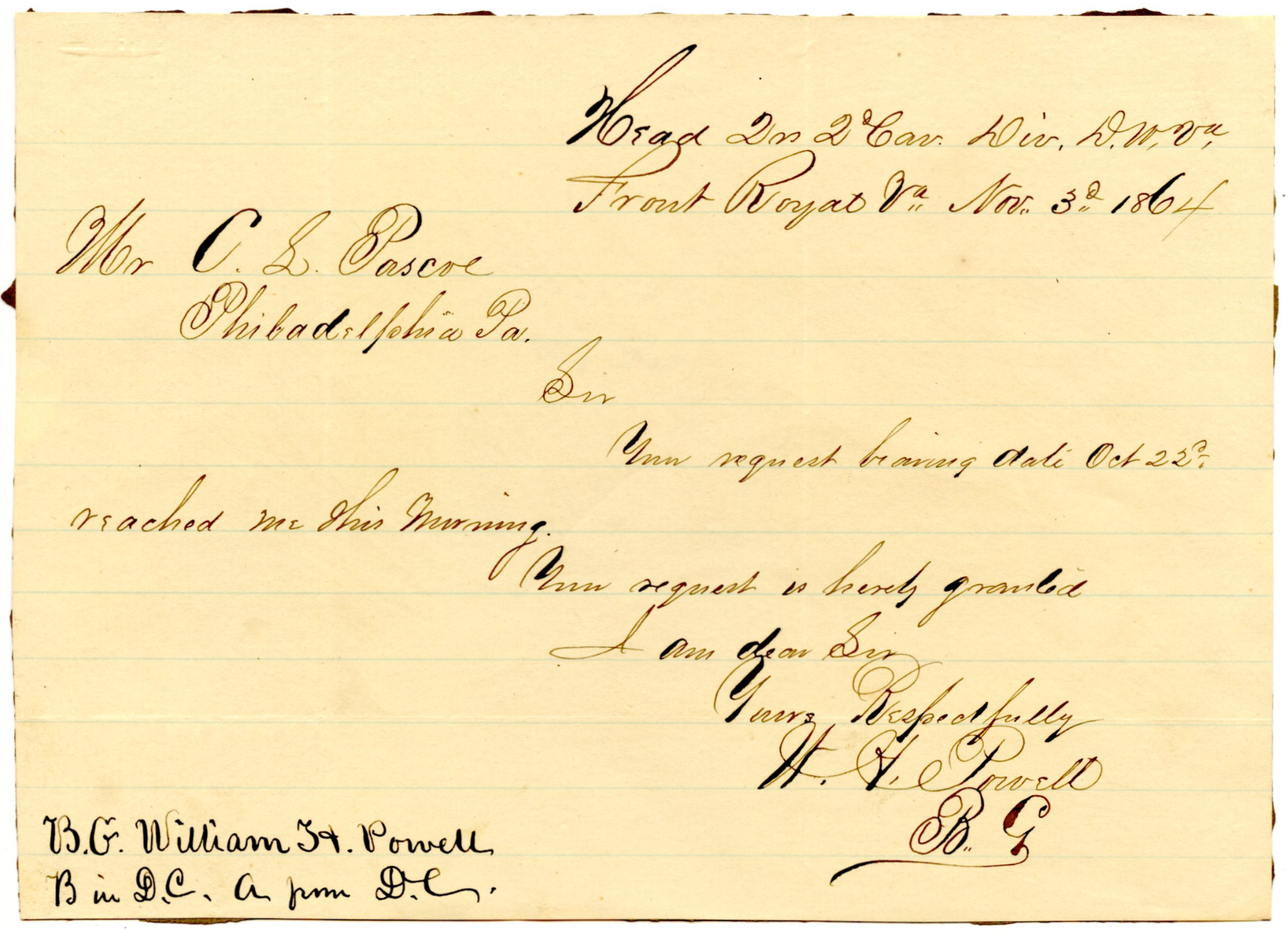
 9164-1995.png)
 9164-1995.png)
 9164-1995.png)
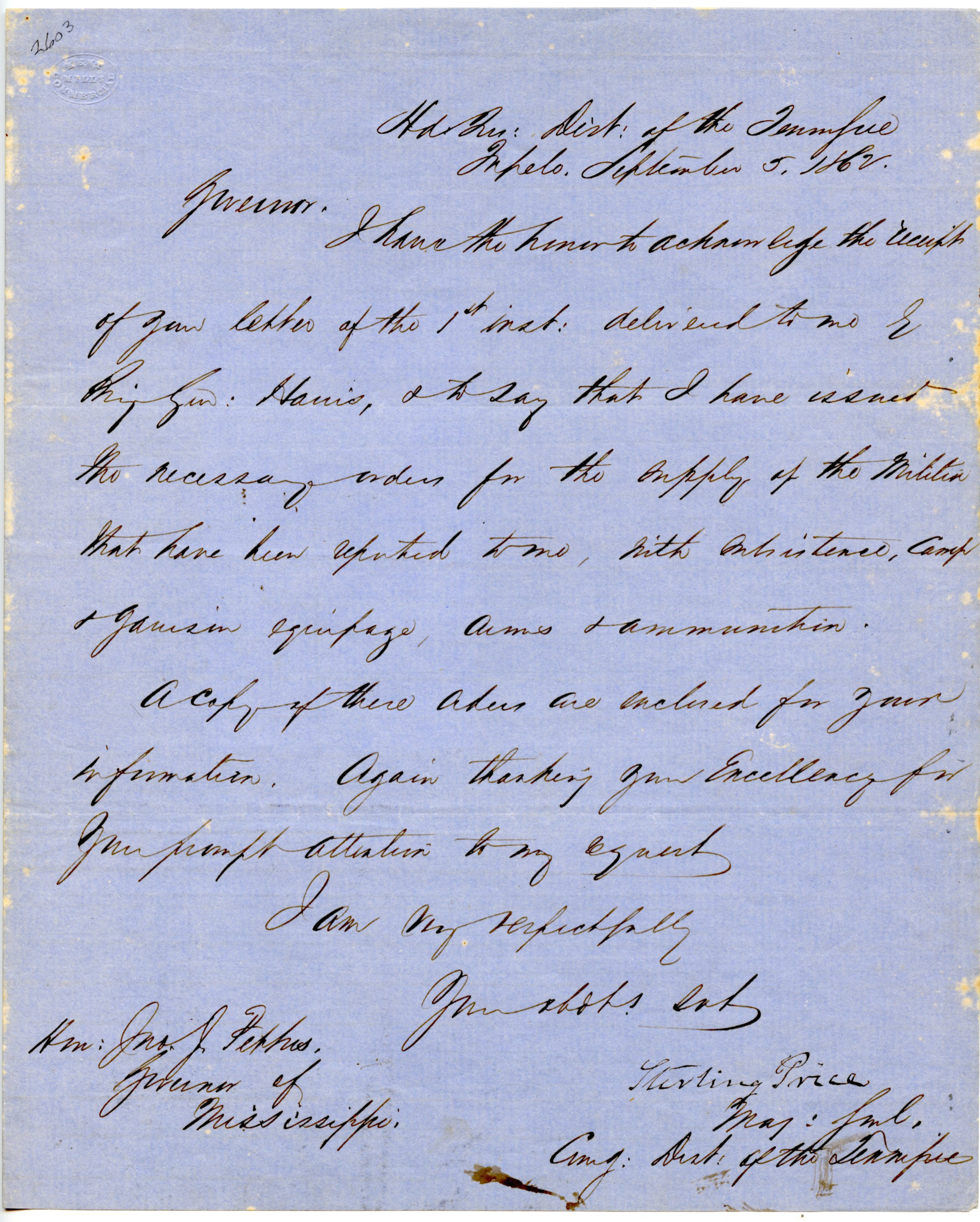
-1999.png)
-1999.png)
-1999.png)
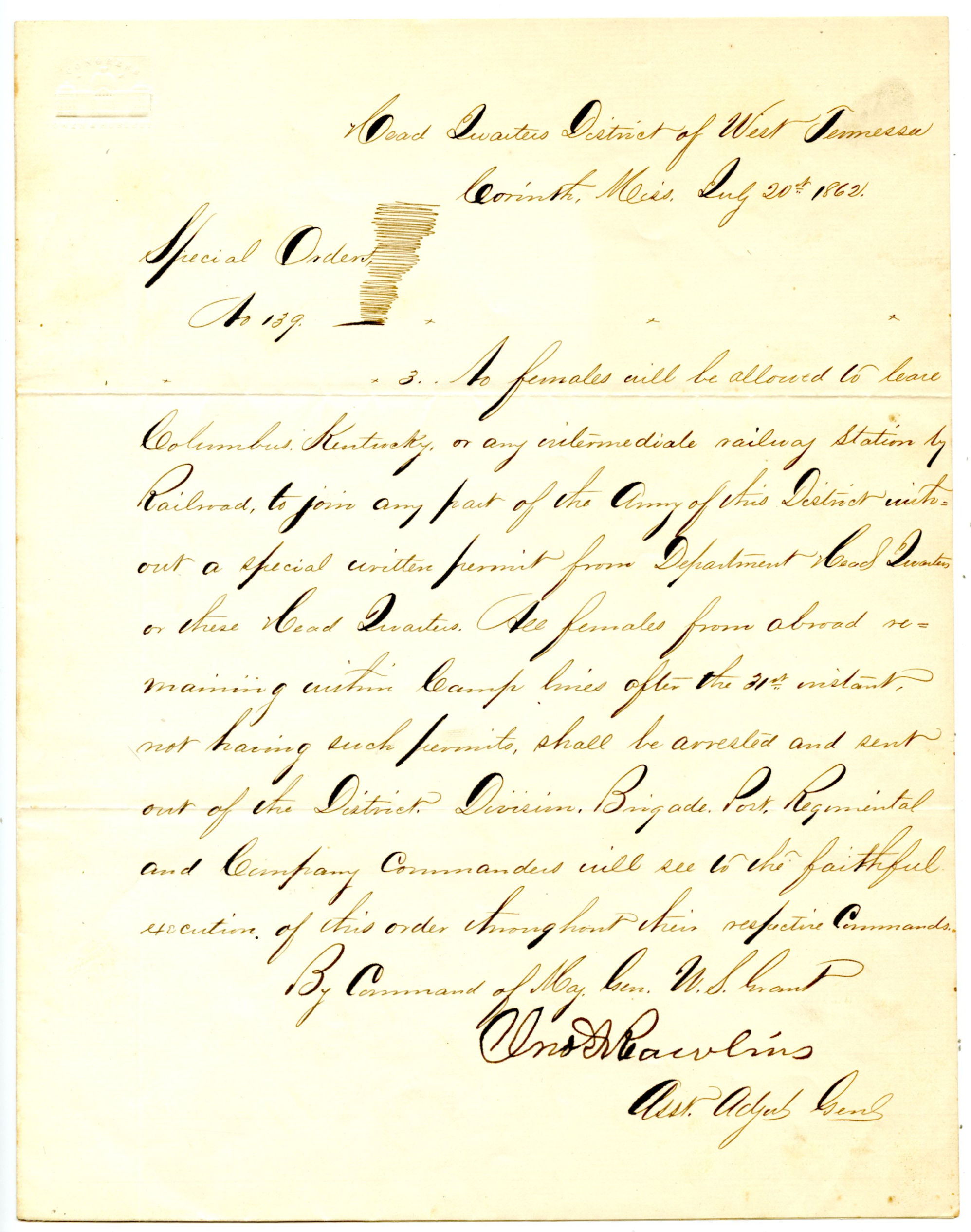
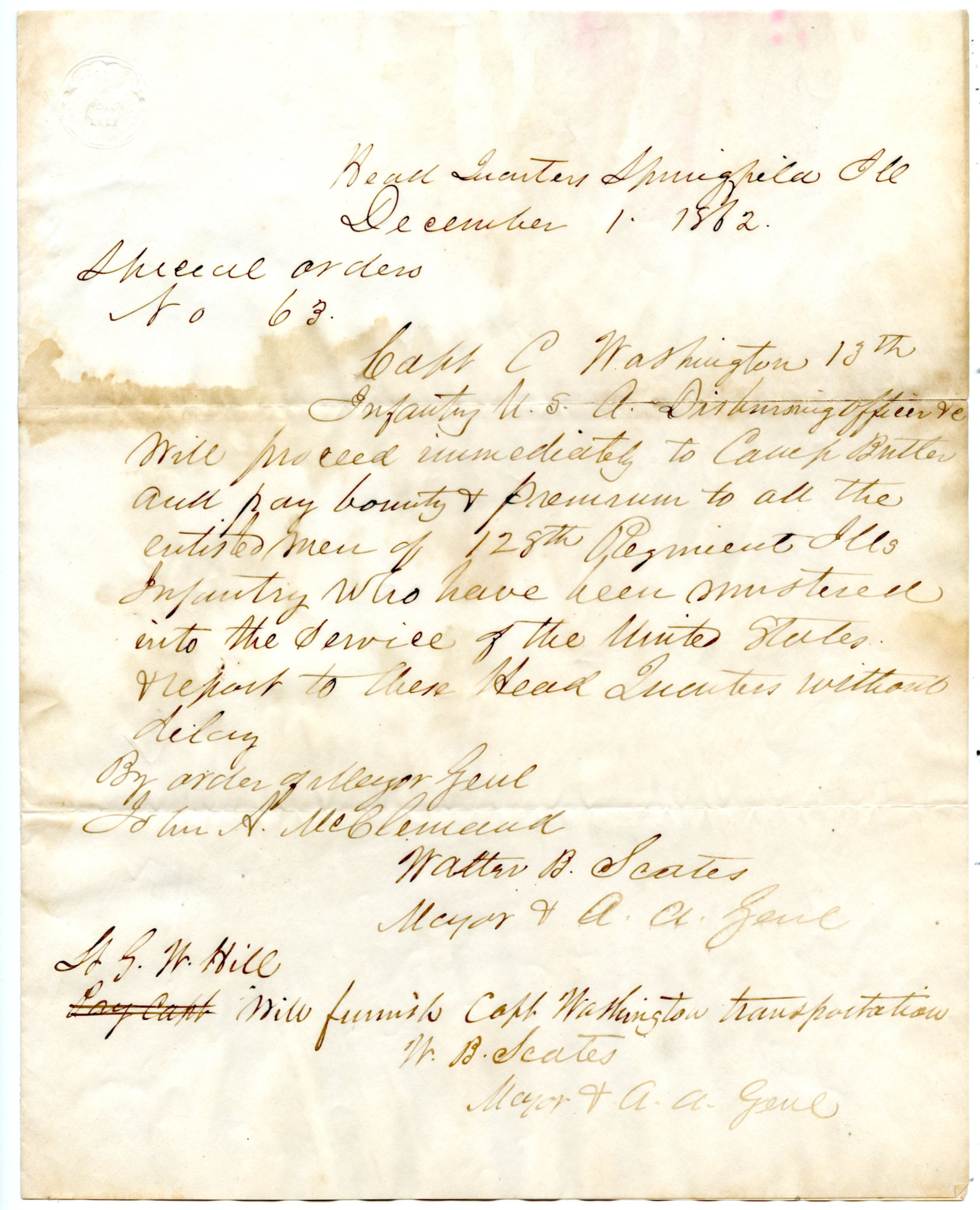

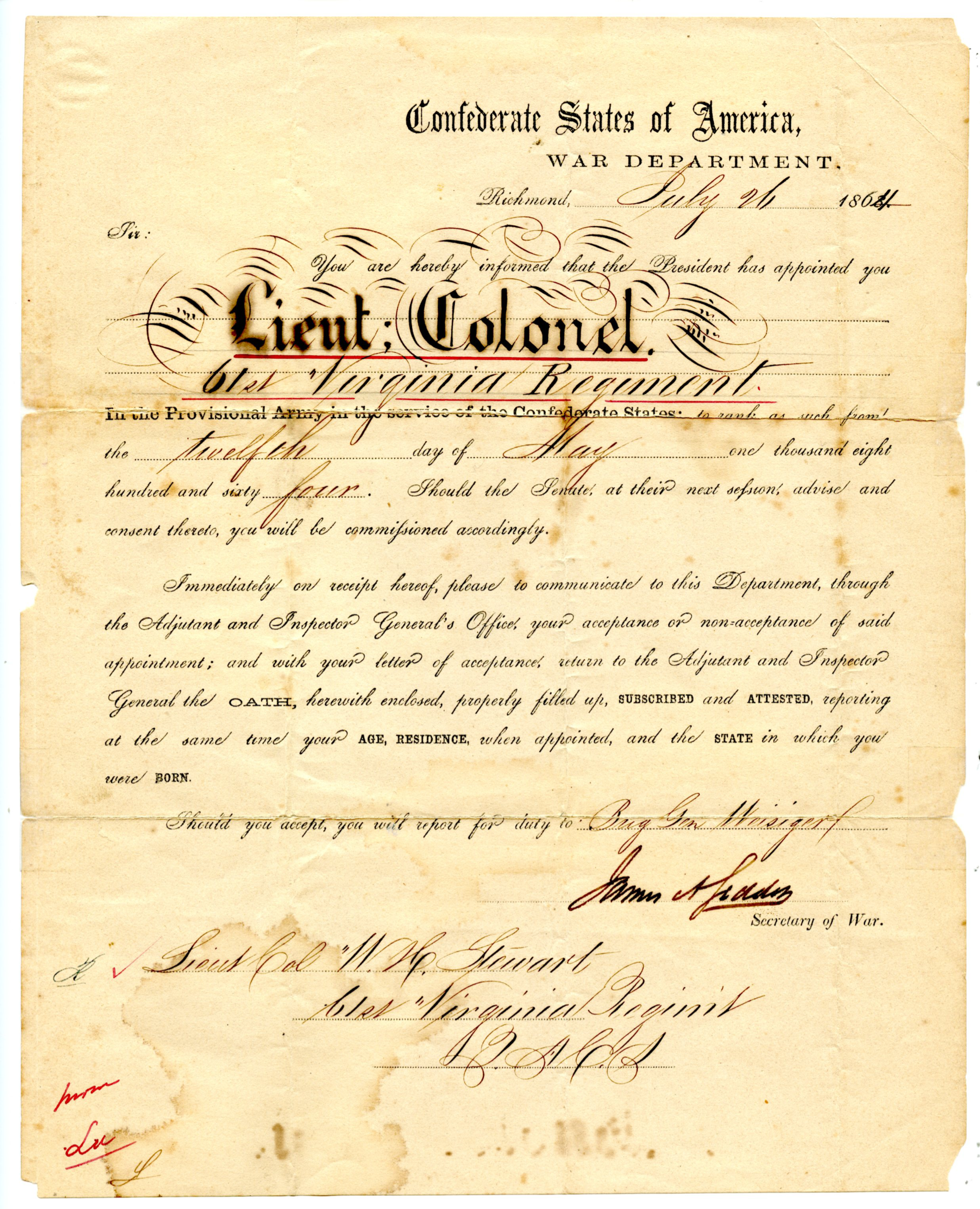
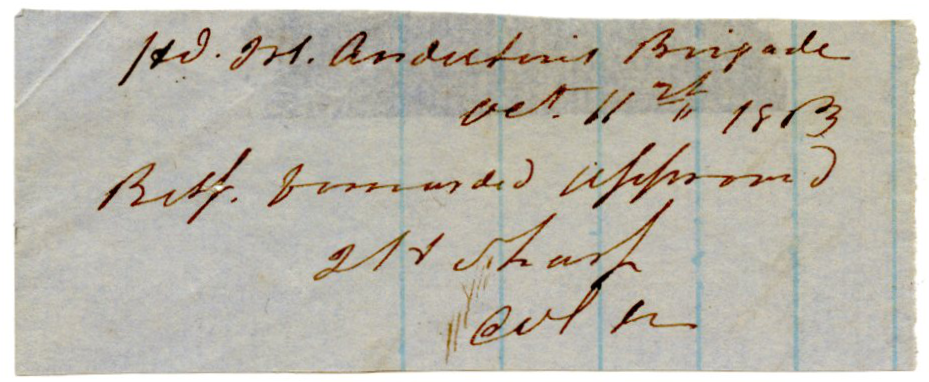
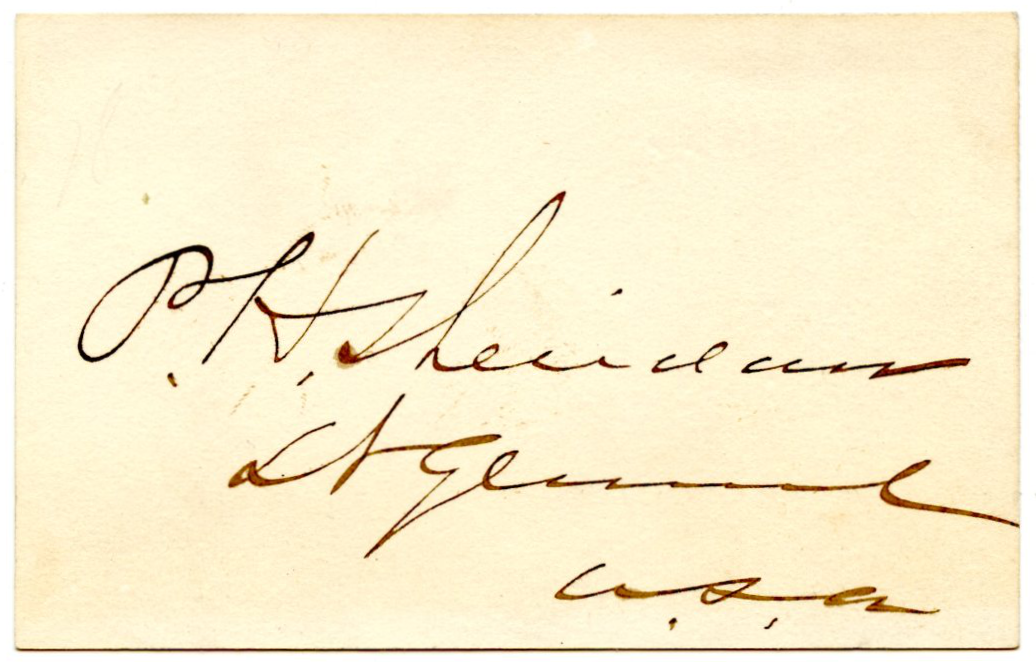
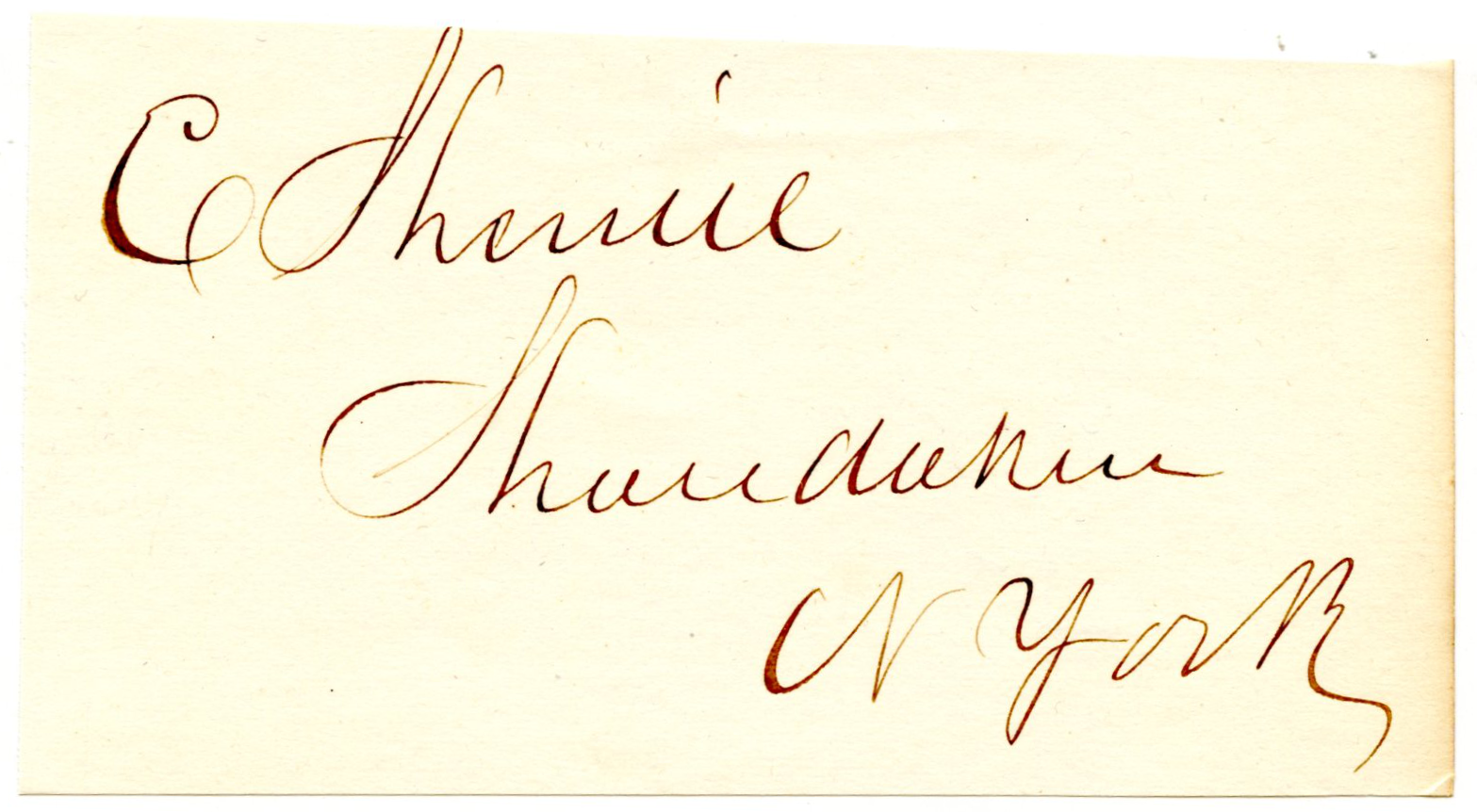

-1995.png)
-1995.png)
-1648.png)
-1663.png)
 9167-1737.png)
 9167-1755.png)
-1995.png)
-1995.png)

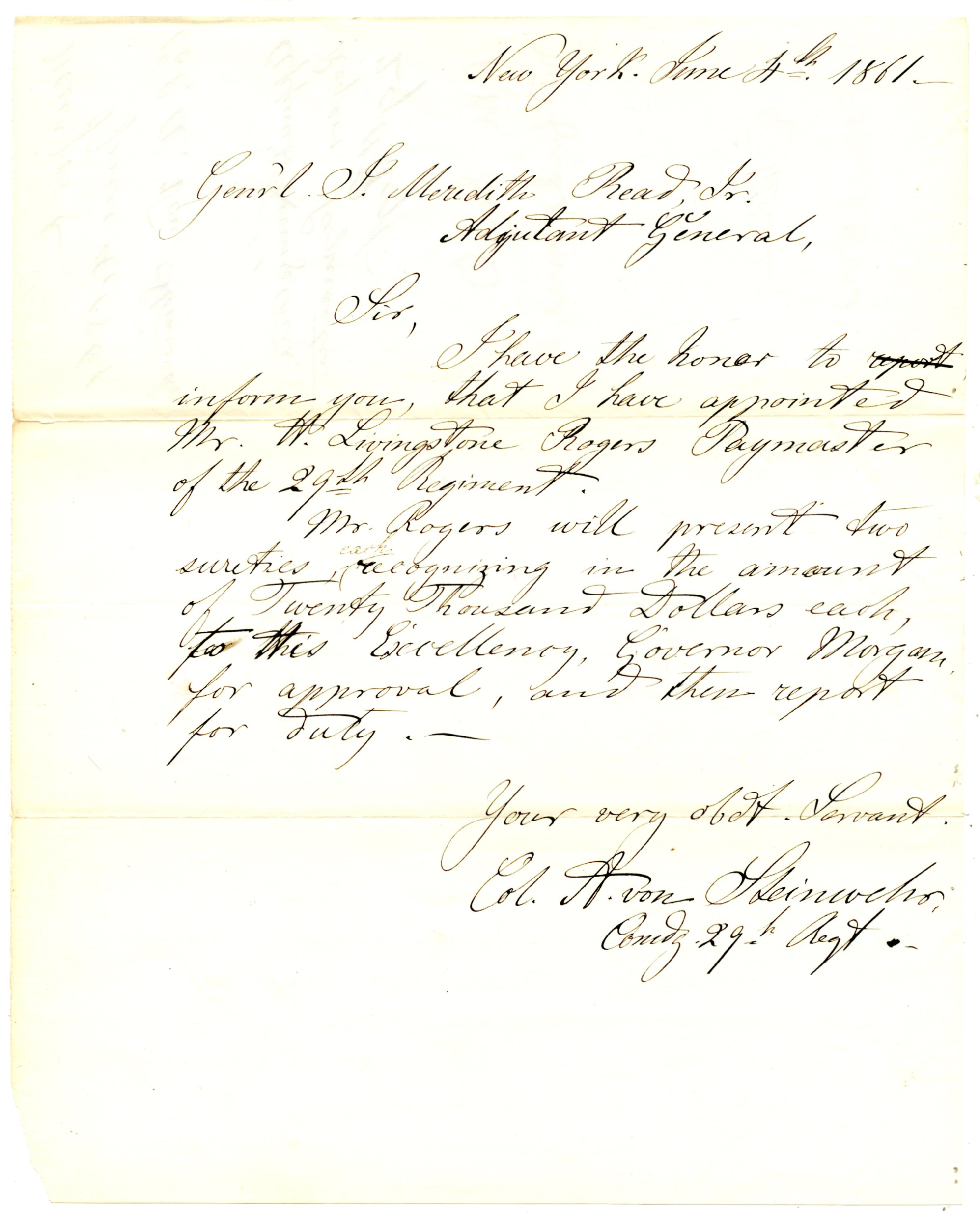
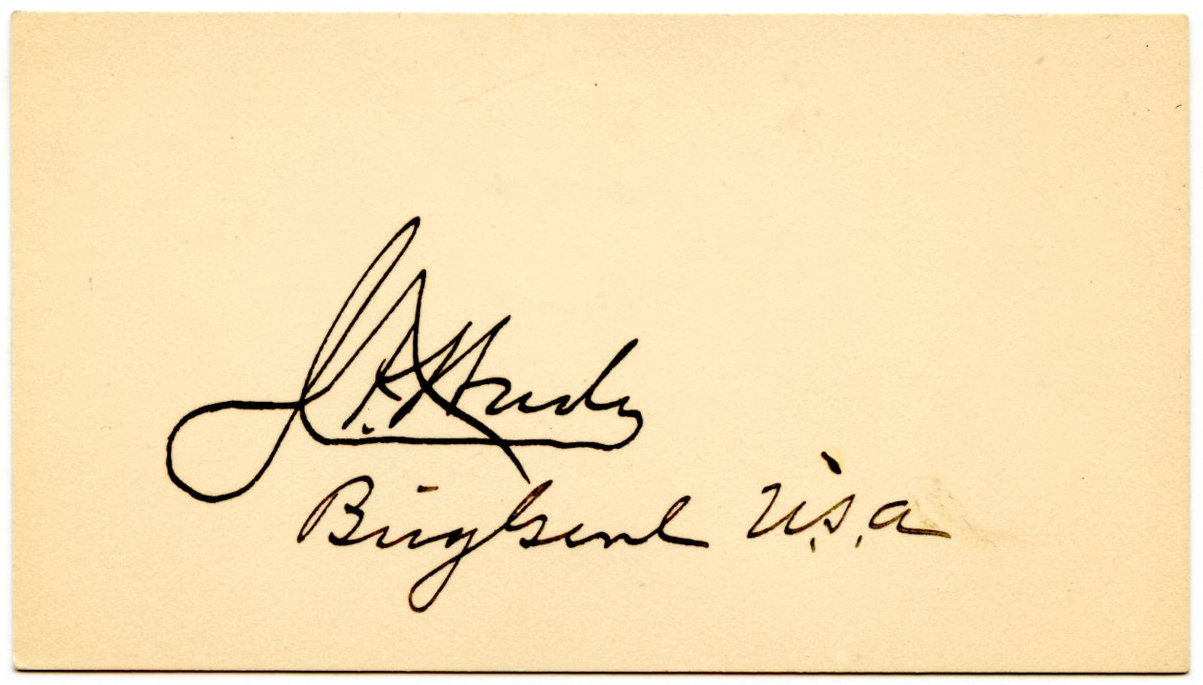

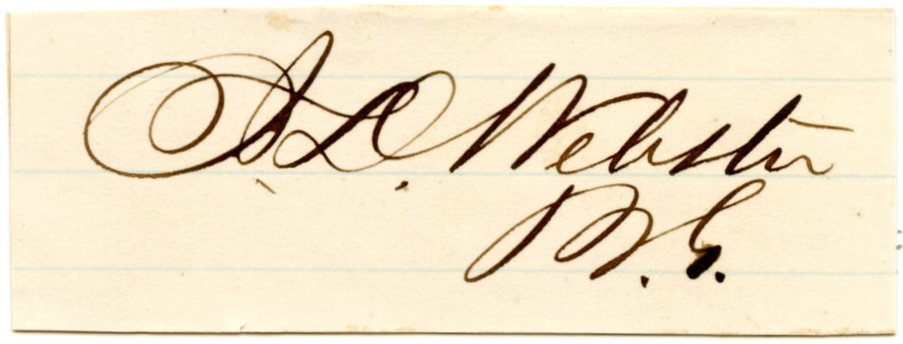
 9168-1999.png)
 9168-1999.png)
-1796.png)
-1806.png)
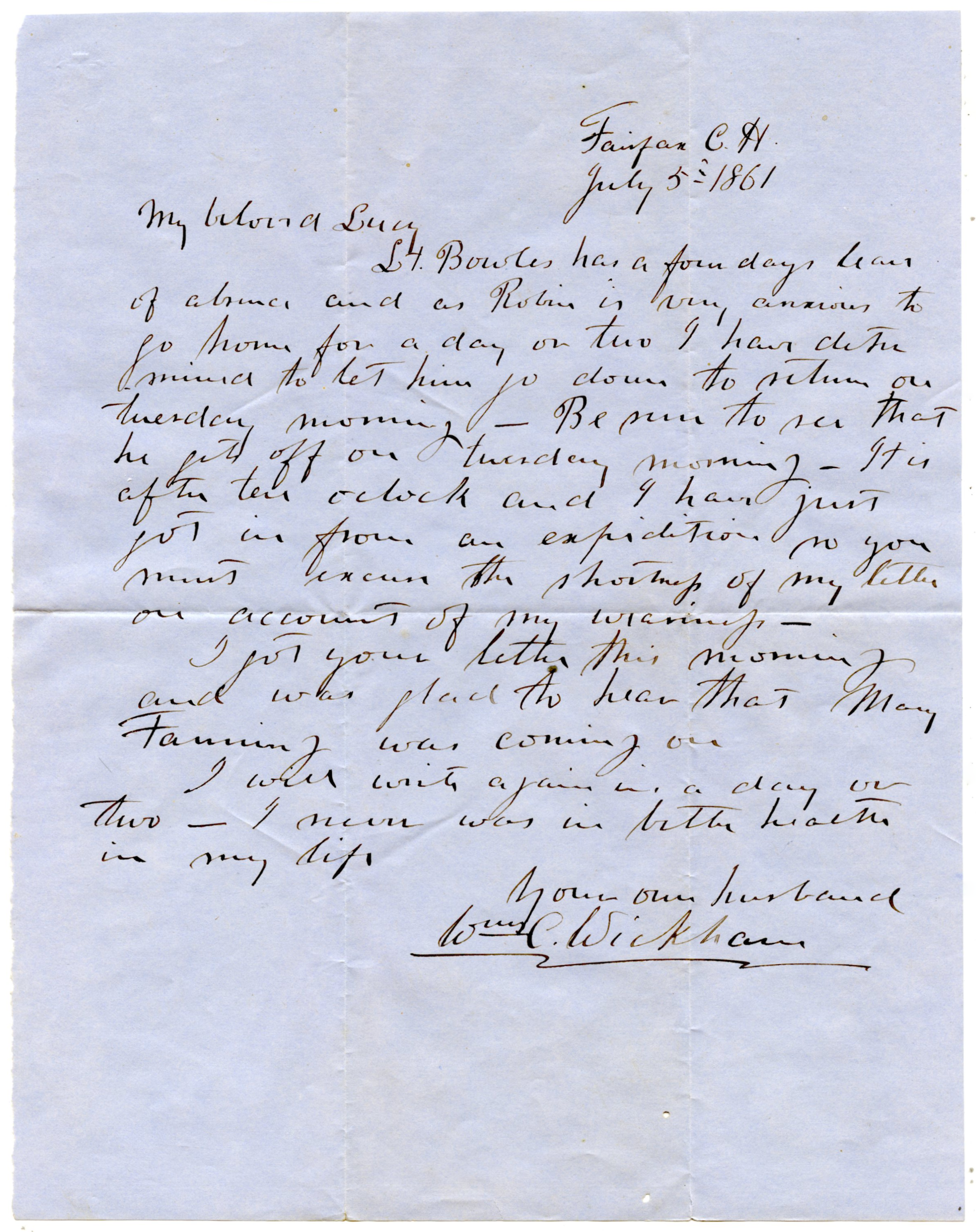
-1266.png)
-1265.png)